Introduction
Navigating personal finance can often feel like a complex maze. One common challenge many individuals face is managing high-interest credit card debt. Fortunately, a powerful tool exists to help alleviate this burden: the 0% introductory APR balance transfer credit card. These cards offer a unique opportunity to move existing debt from one or more high-interest credit cards to a new card, providing a period where no interest is charged on the transferred balance. This effectively creates a window to pay down your principal without the added cost of interest accrual.
For those looking ahead to 2026, understanding the landscape of these offers is crucial. This review will delve into what makes a balance transfer card exceptional. We will explore key features to prioritize, strategic approaches to maximize their benefits, and common pitfalls to avoid. Our goal is to equip you with the knowledge needed to make informed decisions. This can significantly impact your financial health and help you on the path to becoming debt-free.
Understanding 0% Intro APR Balance Transfers
Before diving into specific card features, it’s essential to grasp the fundamentals of balance transfers. This strategy is not just about moving debt; it is about strategically repositioning it to save money and accelerate repayment.
What is a Balance Transfer?
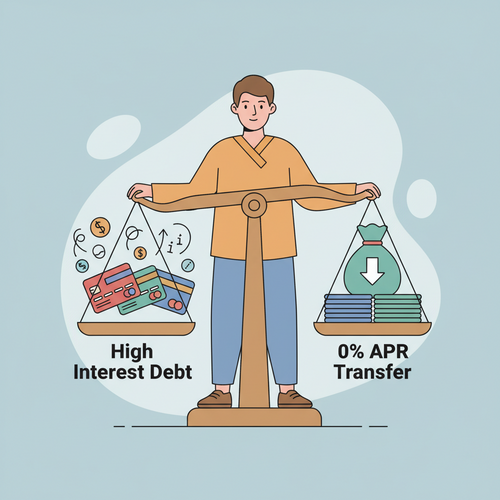
A balance transfer is the process of moving debt from one credit account to another. Typically, people transfer balances from credit cards with high interest rates to a new credit card that offers a lower, often introductory 0% Annual Percentage Rate (APR). Imagine you have several credit cards each carrying balances with interest rates upwards of 18-25%. A balance transfer allows you to consolidate these balances onto a single card. This simplifies your payments and, crucially, can save you a substantial amount in interest charges. It is a strategic move to regain control over your debt.
The Power of 0% Intro APR
The “0% intro APR” is the cornerstone of these offers. It means that for a specified period, usually between 12 and 21 months, you will not pay any interest on the transferred balance. This interest-free window is incredibly valuable. It ensures that every dollar you pay towards your balance goes directly to reducing your principal debt. Without interest eroding your payments, you can pay off debt much faster. This directly translates into significant savings. It also provides a clear path to becoming debt-free more quickly than if you were just making minimum payments on high-interest cards.
Key Considerations Before Applying
Applying for a balance transfer card requires careful thought. Several factors will influence whether a card is a good fit for your financial situation:
- Credit Score Requirements: Most attractive 0% intro APR offers are reserved for applicants with good to excellent credit scores. Lenders typically look for scores above 670, and often much higher for the very best deals.
- Balance Transfer Fees: Almost all balance transfer cards charge a fee for the transfer. This fee is usually a percentage of the amount transferred, commonly between 3% and 5%. You must factor this cost into your calculations. Occasionally, cards offer a 0% balance transfer fee, which can be extremely beneficial.
- Introductory Period Duration: The length of the 0% intro APR period varies significantly between cards. Periods can range from 12 months to 21 months or even longer. A longer period gives you more time to pay down your debt without incurring interest.
- Post-Introductory APR: Always check the regular APR that applies once the introductory period ends. This rate will apply to any remaining balance. It is important to know this rate, even if your plan is to pay off the debt entirely during the 0% period.
- New Purchases APR: Some balance transfer cards offer 0% APR on new purchases as well, while others apply a standard variable APR immediately. If you plan to use the card for new spending, understand how interest will be applied.
Top Picks: Best 0% Intro APR Credit Cards for Balance Transfers (2026)
When evaluating the best 0% intro APR credit cards for balance transfers in 2026, the focus remains on specific features that offer the most value and flexibility. While specific card names may change, the underlying criteria for a great offer stay consistent. Look for cards that align with your debt repayment goals.
Cards with Longest 0% Intro APR Periods
The duration of the interest-free period is arguably the most critical factor. A longer 0% intro APR window provides more breathing room to tackle your debt. For 2026, prioritize cards offering at least 15 to 18 months, with some premium options extending to 21 months or more. This extended timeline allows for smaller, more manageable payments while still making significant progress against the principal. Always calculate how much you need to pay each month to clear your debt within this timeframe.
For example, if you transfer $10,000 to a card with an 18-month 0% APR, you would need to pay approximately $556 per month to be debt-free before interest kicks in. This clear target makes financial planning much simpler. A longer period reduces monthly payment pressure, making your debt repayment journey more sustainable.
Cards with Low or No Balance Transfer Fees
While a 3-5% balance transfer fee is standard, seeking out cards with lower fees or even no fees can significantly boost your savings. A 3% fee on a $10,000 transfer is $300, which is an immediate cost. A no-fee balance transfer card, while rarer, provides maximum savings from day one. These cards are highly sought after. They offer an unparalleled advantage if you can qualify for one. Even a 1% or 2% difference in fees can save you hundreds of dollars. This directly contributes to your debt reduction efforts. Always weigh the fee against the length of the 0% APR period and the total interest you would save. For more insights on credit card fees, consider resources like the Consumer Financial Protection Bureau (CFPB) at consumerfinance.gov.
Cards Offering Additional Perks
Beyond the core balance transfer offer, some cards provide additional benefits that can enhance their overall value. These might include:
- Rewards Programs: Some cards offer cash back, travel points, or other rewards on new purchases. If you plan to use the card responsibly after paying off your transferred balance, these rewards can be a nice bonus. However, the primary focus should always remain on debt repayment.
- Sign-Up Bonuses: A few balance transfer cards also come with a sign-up bonus for meeting certain spending thresholds. Again, use caution. Do not overspend simply to earn a bonus if it jeopardizes your debt repayment plan.
- No Annual Fee: A card with no annual fee means one less recurring charge to worry about. This maximizes the savings from your balance transfer strategy. Most balance transfer cards aiming for debt relief do not charge annual fees.
Remember, these perks are secondary to the main goal. Your priority must be to pay off your transferred debt during the 0% intro APR period.
Maximizing Your Balance Transfer Strategy
Securing a great 0% intro APR balance transfer card is only half the battle. The real success lies in how you strategically manage the transferred debt. A thoughtful approach ensures you leverage the interest-free period effectively.
Create a Repayment Plan
This is arguably the most critical step. Before the 0% intro APR period expires, you must have a concrete plan to pay off the entire transferred balance. Divide your total transferred debt by the number of months in your introductory period. This calculation gives you the exact amount you need to pay each month. Stick to this payment plan rigorously. Consider setting up automatic payments to avoid missing deadlines. This proactive approach ensures you meet your goal. It prevents any remaining balance from being subjected to the standard, higher APR.
Avoid New Debt
It can be tempting to use your old, now empty, credit cards or even the new balance transfer card for new purchases. Resist this temptation. Accumulating new debt during your repayment period defeats the purpose of the balance transfer. If your new card offers 0% APR on purchases as well, exercise extreme discipline. Separate your transferred balance from any new spending. The goal is to eliminate debt, not merely shuffle it around or add to it. A useful analogy is to view your balance transfer card as a dedicated debt-repayment vehicle, not a shopping tool.
Understand Post-Intro APR
Know what happens when your 0% intro APR period ends. Any remaining balance will accrue interest at the standard variable APR. This rate can be quite high, potentially negating all the savings you achieved during the introductory period. If you cannot pay off the full balance, try to reduce it as much as possible. This minimizes the impact of the higher interest rate. Being aware of this future rate allows you to plan accordingly. It also reinforces the urgency of your repayment efforts. Financial literacy resources, like those from Investopedia at investopedia.com, can further clarify APR concepts.
Potential Pitfalls and How to Avoid Them
While balance transfers offer a clear advantage, they are not without risks. Being aware of these common pitfalls can help you navigate the process smoothly and successfully.
Missing Payments
Missing a payment on your balance transfer card can have severe consequences. Many cards stipulate that a late payment will immediately revoke your 0% intro APR. This means any remaining balance will instantly revert to the standard, higher APR. Furthermore, late payments can damage your credit score. Always pay at least the minimum amount due on time, even if you are aiming for a higher repayment target. Set up reminders or automatic payments to prevent this costly mistake.
Balance Transfer Fees Outweighing Savings
Always calculate whether the balance transfer fee is worth it. If you have a small balance and a short 0% intro APR period, the fee might eat into your potential interest savings too much. For example, if you transfer $1,000 with a 3% fee ($30) and only save $20 in interest over three months, it might not be the best strategy. Ensure the interest saved significantly exceeds the fee. A simple calculation can prevent a costly misstep. Focus on the net benefit.
Applying for Too Many Cards
Each credit card application results in a hard inquiry on your credit report. Too many hard inquiries in a short period can temporarily lower your credit score. This makes it harder to qualify for other credit products. Plan your balance transfer strategy carefully. Apply only for one card that best suits your needs. Avoid a “shotgun” approach of applying to multiple issuers simultaneously. Maintain a strategic and measured approach to new credit applications.
Not Paying Off the Balance in Time
The biggest pitfall is failing to eliminate the transferred debt before the 0% intro APR period ends. This leaves you with the original debt, now on a new card, potentially at an equally high or even higher standard APR. The goal is complete debt elimination. If you foresee not paying off the entire balance, focus on aggressive reduction. This will minimize the interest accrual post-introductory period. A balance transfer is a temporary reprieve, not a permanent solution to debt.
Conclusion
0% intro APR balance transfer credit cards remain an invaluable tool for smart debt management in 2026. They provide a crucial opportunity to consolidate high-interest debt, save money on interest payments, and accelerate your path to financial freedom. By understanding the core mechanics of these offers, carefully evaluating the terms, and implementing a disciplined repayment strategy, you can harness their full potential.
Remember to prioritize cards with generous interest-free periods and manageable balance transfer fees. Create a steadfast repayment plan, avoid accumulating new debt, and be fully aware of the post-introductory APR. Approaching balance transfers with knowledge and a clear strategy empowers you to take control of your finances. This can transform your debt burden into a manageable and solvable challenge. Taking this step can be a significant move towards achieving your financial goals.