Introduction
Embarking on a new business venture is an exhilarating journey. Yet, it often comes with a significant hurdle: securing adequate startup capital. Traditional financing avenues, like bank loans, can be challenging to obtain. This is especially true for nascent businesses lacking a proven track record or substantial collateral. For many, therefore, credit card stacking for startup capital has become a go-to creative financing strategy.
Understanding how to leverage credit card stacking effectively requires careful planning. You must also have a deep appreciation for its potential benefits and inherent risks. This strategy can provide immediate access to funds. It offers a lifeline to startups that might otherwise struggle to launch. However, without meticulous management, it can also lead to significant debt and financial strain. This article will explore the intricacies of credit card stacking. We will guide business owners through its benefits, strategic implementation, and crucial risk mitigation.
What is Credit Card Stacking?
At its core, credit card stacking is the practice of applying for and acquiring multiple business credit cards. This is often done in a relatively short period. As a result, the goal is to accumulate a larger pool of available credit. This combined credit limit then serves as a source of capital for a new or expanding business.
Unlike personal credit cards, business credit cards are typically designed with specific entrepreneurial needs in mind. They often offer higher credit limits and more favorable terms for business-related spending. The immediate advantage of stacking is the sheer volume of accessible funds. For a startup needing to cover initial expenses—such as equipment purchases, marketing campaigns, or office rent—this aggregated credit can be a game-changer.
This strategy isn’t just about getting any card; it’s about getting the *right* combination. This might include a high-limit card for large initial purchases. You might also get a rewards card for specific spending categories (like materials or advertising). Finally, you could add a 0% APR card for carrying a balance interest-free. The “stack” is a portfolio of cards, each with a specific job. This is the art of credit card stacking for startup capital.
It offers a form of revolving credit. This means you can borrow up to your limit, repay it, and then borrow again, providing ongoing flexibility. This differs significantly from a term loan. A term loan offers a lump sum with fixed repayment schedules. Many business owners find this flexibility appealing, especially in the unpredictable early stages of a startup.
Crucially, effective stacking focuses on business credit cards rather than personal ones. Your personal credit history often influences eligibility for business cards. However, the goal is to establish and build a separate business credit profile. This separation is vital for both personal liability protection and for future business financing opportunities. Entrepreneurs must understand this distinction. By focusing on business-specific products, they can better harness the power of this funding strategy.
The Benefits of Credit Card Stacking for Startups
When executed thoughtfully, credit card stacking offers several compelling advantages for business owners seeking startup capital. These benefits can significantly ease the financial burden of launching a new enterprise.
Rapid Access to Capital
One of the most significant benefits, for instance, is the speed at which funds can be accessed. Traditional bank loans often involve lengthy application processes and strict eligibility criteria. In contrast, business credit card applications can be approved much faster. This quick access is crucial for startups. It allows them to capitalize on immediate opportunities or cover unexpected expenses.
0% APR Introductory Periods
Many business credit cards offer introductory periods with a 0% Annual Percentage Rate (APR). These offers apply to purchases or balance transfers. Savvy entrepreneurs can use these periods strategically. They can finance significant upfront costs without incurring interest for 6 to 18 months. This effectively provides an interest-free loan during a critical growth phase. It allows the business to generate revenue before interest charges kick in.
Building Business Credit History
Consistent and responsible use of business credit cards helps establish a robust credit history for the company itself. A strong business credit profile is invaluable. It helps secure larger loans, lines of credit, and better terms from suppliers in the future. It separates the business’s finances from the owner’s personal credit. This is essential for long-term growth and stability.
Earning Valuable Rewards
While the primary goal is funding, the rewards are a significant bonus. Stacking cards means you can optimize spending. You might use one card that earns 3x on advertising and another that earns 2x on supplies. These accumulated points or cash back can be reinvested into the business. This effectively reduces your startup costs. This is an often-overlooked perk of credit card stacking for startup capital.
Flexibility in Spending
Credit cards offer unparalleled flexibility. Business owners can use them for various operational expenses. This includes purchasing inventory, paying for advertising, or covering payroll and travel costs. This adaptability is especially beneficial for startups. They may have fluctuating financial needs and cannot predict all their expenditures accurately from the outset.
Strategies for Effective Credit Card Stacking for Startup Capital
To maximize the benefits and minimize the risks, a strategic approach is essential. This involves careful research, diligent management, and a clear understanding of financial principles.
Researching and Selecting the Right Business Credit Cards
Not all business credit cards are created equal. Therefore, entrepreneurs must thoroughly research and compare different options. They need to find cards that align with their specific business needs and financial goals. Consider factors such as:
- Introductory 0% APR offers: Prioritize cards with generous 0% APR periods, especially if you anticipate needing time to generate revenue.
- Credit limits: Look for cards known for offering higher initial credit limits to maximize your available capital.
- Rewards programs: While not the primary focus for startup capital, rewards like cashback or travel points can add value.
- Annual fees: Weigh the benefits against any annual fees, especially for cards you plan to hold long-term.
- Reporting to business credit bureaus: Ensure the card issuer reports to major business credit bureaus. These include Dun & Bradstreet, Experian Business, and Equifax Business.
For a comprehensive comparison of options, consider reviewing expert resources. Forbes Advisor provides insightful reviews on the best small business credit cards. This can be a valuable starting point for your research.
Understanding and Leveraging 0% APR Offers
The introductory 0% APR period is perhaps the most powerful tool in credit card stacking. To leverage it effectively:
- Plan your spending. Identify which essential startup expenses can be covered during the 0% APR window.
- Track expiration dates. Meticulously record when each 0% APR period ends. This date dictates when standard, often higher, interest rates will apply.
- Prioritize repayment. Develop a clear strategy to repay the balances before the introductory period expires. Focus on the card with the soonest expiring 0% offer first. In effect, this technique is similar to the “debt snowball” or “debt avalanche” methods. However, it is applied to interest-free periods.
Managing Credit Utilization Ratios
Your credit utilization ratio is the amount of credit you are using compared to your total available credit. Keeping this ratio low, ideally below 30%, is crucial for maintaining a healthy credit score. Business credit cards might not impact your personal score as directly as personal cards. However, high utilization on any credit line signals risk to lenders. Strive to make regular payments, even if minimal, to keep your balances in check.
Strategic Timing of Applications
Applying for multiple credit cards too quickly can raise red flags with lenders. This can potentially lead to denials. A more strategic approach involves staggering your applications over a few months. This allows time for new accounts to be reported. It also helps your credit score to stabilize after each application. Some experts suggest applying for 1-2 cards every 3-6 months, depending on your credit profile and urgency.
Risks and How to Mitigate Them
While credit card stacking can be a powerful tool, it is not without significant risks. Business owners must be acutely aware of these potential pitfalls. They must also implement robust strategies to mitigate them.
The Danger of High-Interest Debt
The most significant risk is the high-interest rates. These kick in once the 0% APR introductory periods expire. If you haven’t repaid your balances by then, the accumulating interest can quickly become unsustainable. This will eat into your business’s profits and potentially lead to a debt spiral. A comprehensive repayment plan is paramount.
Understanding Personal Guarantees and Liability
The goal is to build business credit. However, many small business credit cards require a personal guarantee from the owner. This means if the business defaults on its payments, the owner’s personal credit can be severely impacted. Maintaining a clear separation between personal and business finances is critical. You must always prioritize business debt repayment. The Consumer Financial Protection Bureau offers valuable insights into the implications of company credit cards and personal liability.
The Risks of Overspending and High Debt
The ease of access to capital through credit card stacking can sometimes lead to overspending. Without strict budgeting and financial discipline, a startup can quickly accumulate more debt. This is often more than it can realistically repay. This can stifle growth, damage credit, and even lead to business failure.
Building business credit is a benefit. However, a high overall credit card debt load can make future financing challenging. This is true even if the debt is well-managed. Lenders may view a business heavily reliant on credit cards as higher risk.
How to Mitigate These Risks
To mitigate these risks, you must be proactive:
- Develop a Robust Repayment Plan: Before even applying for cards, have a clear, realistic plan. For example, this plan must detail how you will repay each balance before the 0% APR expires. This might involve projecting revenue. You should set aside a portion of sales for debt or have a fallback strategy.
- Strict Budgeting and Expense Tracking: Implement rigorous budgeting and expense tracking from day one. Know exactly where every dollar is going. Ensure that spending aligns with your revenue projections.
- Avoid Overspending: Treat credit card funds like any other loan. Use them only for essential business expenses. These expenses must have a clear return on investment. Resist the temptation to use available credit for non-essential purchases.
- Consult Financial Advisors: Consider working with a financial advisor or a small business consultant. They can help you assess your financial situation. They also help create a sound strategy and navigate the complexities of business financing.
The Risk of Churning and Application Denials
A specific risk related to stacking is “churning.” This is the practice of opening and closing cards frequently just for bonuses. Lenders are cracking down on this. If you apply for too many cards too quickly, you may trigger automated denials from issuers like Chase (known for its ‘5/24’ rule) or Amex. This not only stops your credit card stacking for startup capital strategy in its tracks, but it also adds multiple hard inquiries to your personal credit report. These inquiries can temporarily lower your score. This is why staggering applications is not just a suggestion, but a necessity for success.
Building a Sustainable Financial Future Beyond Stacking
Credit card stacking should be viewed as a short-term, tactical solution. It is not a permanent financing strategy for startup capital. The ultimate goal for any business is to achieve financial self-sufficiency. This means transitioning to more stable, long-term funding sources.
Transitioning from Credit Card Funding
As your business grows and generates consistent revenue, prioritize paying down credit card balances. Once these high-interest debts are cleared, explore other financing options. Look for options that offer lower interest rates and more favorable terms. These might include small business loans from banks or credit unions. You could also seek lines of credit or even equity financing if appropriate.
Developing a Robust Financial Plan
A detailed financial plan is your roadmap to long-term success. It should include comprehensive revenue forecasts, expense projections, cash flow statements, and balance sheets. Regularly review and update this plan. This helps reflect your business’s evolving financial health.
Importance of Cash Flow Management
Strong cash flow management is the lifeblood of any sustainable business. This involves closely monitoring money coming in and going out. You must optimize invoicing and collection processes. You also need to manage accounts payable efficiently. Positive cash flow reduces reliance on external financing and builds financial resilience.
Diversifying Funding Sources
Relying too heavily on any single funding source, including credit cards, can be risky. As your business matures, aim to diversify your funding. This could mean combining retained earnings with a modest line of credit. You might also explore government grants or seek investment from angel investors or venture capitalists. A diversified approach creates a more stable financial foundation.
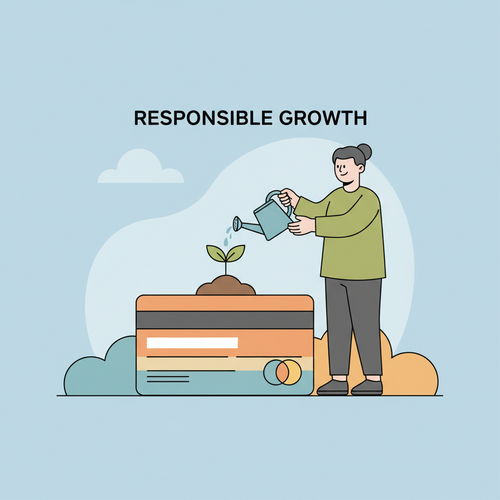
This is the true endgame of using credit card stacking for startup capital. The “stack” is the scaffolding, not the building. It allows you to build the revenue-generating structure of your business. Once the business is self-sufficient, you remove the scaffolding (pay off the cards). Then, you let the business stand on its own solid financial footing. It will be supported by its own cash flow and traditional, low-cost financing like an SBA loan or a business line of credit.
Conclusion
Using credit card stacking for startup capital can be a viable and effective strategy. Ultimately, this strategy helps business owners face the initial challenge of securing funds. It offers rapid access to capital. The method also provides the benefit of 0% APR introductory periods. Finally, it’s an opportunity to build crucial business credit history.
However, this strategy demands meticulous planning, disciplined execution, and a deep understanding of its associated risks. Entrepreneurs must carefully research credit card options. They must create a detailed repayment plan to tackle balances before high-interest rates apply. They also need to diligently manage credit utilization.
Business owners should treat credit card stacking as a temporary bridge to more sustainable financing. By doing so, they can leverage this tool to launch their ventures successfully. This simultaneously builds a solid foundation for future growth. Always consider seeking advice from financial professionals to tailor strategies to your unique business context.