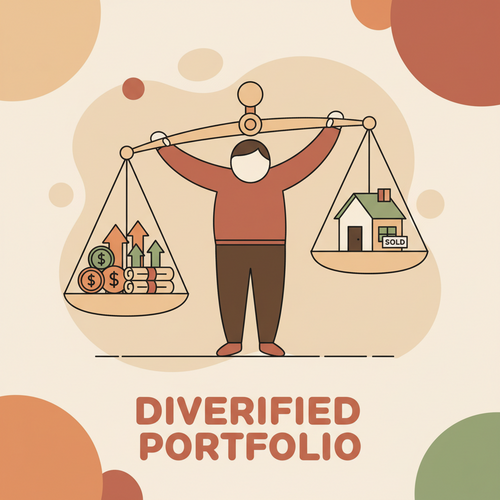
Asset allocation strategies are fundamental for building long-term wealth in 2026. Indeed, intelligent investment decisions are crucial for financial success. This guide specifically caters to beginner investors. We will demystify the core concepts. Furthermore, we will help you establish a robust financial foundation.
Understanding Asset Allocation
Asset allocation refers to dividing an investment portfolio among different asset categories. These categories typically include stocks, bonds, and cash. Diversification is a primary goal. Moreover, it aims to balance risk and reward. Different assets react uniquely to market conditions. Therefore, a balanced approach can mitigate potential losses. Conversely, it can enhance overall returns.
Core Principles for Beginners
Several key principles underpin effective asset allocation. Initially, understanding these concepts is vital. Consequently, you can make informed choices.
- Diversification: Spreading investments across various asset types is crucial. This practice reduces risk exposure. Furthermore, it prevents over-reliance on a single asset. A diversified portfolio often performs more consistently. For instance, if one asset class underperforms, others may compensate.
- Risk Tolerance: This refers to your comfort level with potential investment losses. Some investors tolerate higher risk for greater potential returns. Conversely, others prefer more stable, lower-risk options. Your personal situation dictates this comfort. Consequently, it strongly influences your asset mix.
- Time Horizon: This is the length of time you plan to invest. Longer time horizons generally allow for more aggressive portfolios. Shorter horizons, however, demand more conservative approaches. Indeed, time helps smooth out market volatility. Thus, it impacts strategy significantly.
Key Asset Classes for 2026
Understanding the distinct characteristics of each asset class is essential. Each plays a specific role in a portfolio. Ultimately, they contribute to your wealth-building goals.
Stocks (Equities)
Stocks represent ownership in a company. They offer significant growth potential. Historically, equities have outperformed other asset classes over the long term. However, they also carry higher volatility. Their value can fluctuate considerably. Therefore, patience is paramount when investing in stocks. Economic growth often boosts corporate earnings. Consequently, stock prices tend to rise. For instance, technology and renewable energy sectors might show strong performance in 2026. Many investors seek global exposure. Indeed, international stocks offer further diversification. Reuters provides extensive market insights. Typically, young investors allocate a larger portion to stocks.
Bonds (Fixed Income)
Bonds are essentially loans made to governments or corporations. They provide a predictable stream of income. Bond prices generally move inversely to interest rates. When rates rise, bond prices typically fall. Conversely, falling rates often increase bond prices. Bonds offer stability to a portfolio. Furthermore, they can act as a cushion during market downturns. They are considered less risky than stocks. Consequently, they are a favored asset for conservative investors. Or, for those nearing retirement. Government bonds, specifically, are often seen as very safe. Corporate bonds, however, carry varying degrees of risk. Indeed, their credit ratings matter significantly. Bloomberg offers comprehensive bond market data.
Real Estate
Real estate investments can include physical properties or Real Estate Investment Trusts (REITs). It provides potential for appreciation and rental income. Real estate often acts as a hedge against inflation. Property values tend to increase with rising prices. However, real estate is less liquid than stocks or bonds. Selling a property can take time. Furthermore, it involves substantial transaction costs. REITs offer a more liquid way to invest in real estate. They trade on stock exchanges. Specifically, they pay high dividends. These dividends derive from rental income. Therefore, they appeal to income-focused investors. For instance, commercial real estate trends might evolve in 2026. Geographically diverse real estate holdings can offer protection. Investopedia explains REITs thoroughly.
Alternative Investments
Alternative investments include commodities, private equity, and cryptocurrencies. They can offer unique diversification benefits. Typically, they have low correlation with traditional assets. However, they often come with higher risk. Furthermore, they might lack transparency. For beginner investors, understanding these assets is crucial. Initially, a small allocation might be suitable. For instance, gold is often considered a safe-haven asset. It historically performs well during economic uncertainty. Cryptocurrencies, conversely, are highly volatile. Indeed, they represent a speculative investment. Thus, careful consideration is necessary. Therefore, research thoroughly before investing in alternatives. Always understand the underlying risks involved.
Crafting Your Strategy: Step-by-Step
Building an effective asset allocation strategy involves several practical steps. Each step builds upon the previous one. Consequently, a thoughtful process ensures alignment with your financial goals.
1. Assess Your Risk Tolerance
Your risk tolerance is a critical factor. It determines the appropriate mix of risky versus safe assets. A high-risk tolerance allows for a larger stock allocation. This strategy targets higher long-term returns. Conversely, a low-risk tolerance suggests more bonds and cash. Such an approach prioritizes capital preservation. Consider your financial stability. Furthermore, think about your emotional reaction to market swings. Many online questionnaires can help you assess this. Therefore, take your time with this important evaluation.
- Conservative Profile: Prioritizes capital preservation. Focuses on bonds and cash. Accepts lower returns for less risk. Typically suitable for those nearing retirement.
- Moderate Profile: Seeks a balance between growth and safety. Blends stocks and bonds. Aims for reasonable returns with moderate volatility. Many investors fall into this category.
- Aggressive Profile: Maximizes growth potential. Heavily weighted towards stocks. Tolerates significant market fluctuations. Best for young investors with a long time horizon.
2. Define Your Time Horizon
The length of time until you need your money is your time horizon. A longer horizon permits greater exposure to volatile assets. Stocks, specifically, tend to recover from downturns given enough time. For instance, investing for retirement 30 years away suggests an aggressive stance. A shorter horizon, such as saving for a down payment in three years, demands caution. Therefore, protect your capital more vigilantly. Consider specific financial goals. Ultimately, align your investment period with these objectives. This ensures your funds are available when needed. Furthermore, it prevents forced selling during market lows.
3. Choose Your Allocation Model
Various models exist for structuring your portfolio. Selecting the right one depends on your individual circumstances. Therefore, explore options carefully.
- Age-Based Allocation: A common rule suggests subtracting your age from 100 or 110. The result indicates the percentage of your portfolio in stocks. For instance, a 30-year-old might have 70-80% in stocks. This model automatically adjusts as you age. Thus, it becomes more conservative over time.
- Fixed Percentage Allocation: You decide on a fixed percentage for each asset class. For example, 60% stocks, 30% bonds, 10% cash. This ratio remains constant. Consequently, rebalancing is necessary to maintain it. It offers simplicity and consistency. Indeed, it suits investors who prefer a hands-on approach.
- Core-Satellite Approach: This strategy involves a stable “core” portfolio of diversified, low-cost index funds or ETFs. Around this core, you add “satellite” investments. These satellites might be more speculative or thematic. For instance, specific sector funds or individual stocks. This approach combines stability with targeted growth opportunities. Furthermore, it allows for tactical tilts. The Wall Street Journal frequently discusses market strategies.
4. Rebalance Regularly
Market fluctuations cause your portfolio’s asset allocation to drift. Rebalancing restores your portfolio to its original target percentages. For instance, if stocks perform well, their percentage might exceed your target. Conversely, if bonds underperform, their weighting might shrink. Regular rebalancing ensures your portfolio aligns with your risk tolerance. It also forces you to “buy low and sell high” automatically. Typically, rebalance annually or semi-annually. Some investors rebalance when an asset class deviates by a certain percentage. This disciplined approach is crucial. Therefore, never neglect this step. It maintains the integrity of your strategy.
Advanced Considerations for 2026
As you gain experience, consider more sophisticated strategies. These can further optimize your long-term wealth building. Furthermore, they address specific market dynamics.
Inflation Hedges
Inflation erodes the purchasing power of your money. Therefore, protecting your portfolio from its effects is important. Certain assets historically perform well during inflationary periods. For instance, commodities like gold and oil often rise with inflation. Treasury Inflation-Protected Securities (TIPS) are another option. Their principal value adjusts with inflation. Real estate also serves as a strong hedge. Thus, including these assets can preserve your wealth. Especially in a potentially inflationary environment. Consequently, diversify your holdings to include inflation-resistant assets.
Global Diversification
Investing solely in your home country can limit opportunities. It also concentrates risk. Global diversification involves investing in international markets. This spreads risk across different economies and currencies. For instance, emerging markets may offer higher growth potential. Developed international markets provide stability. Furthermore, different economies often operate on different cycles. This can smooth overall portfolio returns. Therefore, consider international stocks and bonds. Exchange-Traded Funds (ETFs) offer an easy way to achieve this. The Financial Times provides excellent global market analysis.
Tax Efficiency
Taxes can significantly impact your investment returns. Understanding tax-advantaged accounts is crucial. For instance, 401(k)s and Individual Retirement Accounts (IRAs) offer tax benefits. Contributions grow tax-deferred or tax-free. Roth IRAs provide tax-free withdrawals in retirement. Conversely, traditional IRAs offer upfront tax deductions. Utilize these accounts to maximize your after-tax returns. Furthermore, consider tax-loss harvesting in taxable accounts. This strategy involves selling investments at a loss. The loss then offsets capital gains. Consult a tax professional for personalized advice. Ultimately, tax planning is an integral part of wealth management.
Common Mistakes to Avoid
Even with a solid strategy, pitfalls exist. Awareness of these common errors can save you from costly mistakes. Therefore, proceed with caution and continuous learning.
- Emotional Decisions: Reacting impulsively to market ups and downs is detrimental. Panic selling during downturns locks in losses. Conversely, chasing hot stocks after rapid gains often leads to disappointment. Stick to your predefined strategy. Consequently, avoid impulsive changes.
- Lack of Diversification: Concentrating investments in a few assets is risky. If those assets perform poorly, your entire portfolio suffers. Always spread your investments. Indeed, a broad mix of assets reduces specific risk. This principle is fundamental for beginners.
- Neglecting Rebalancing: Allowing your portfolio to drift from its target allocation undermines your strategy. It can expose you to more risk than intended. Or, it might reduce your potential returns. Rebalance consistently. Ultimately, it maintains your risk profile.
- Ignoring Fees: High fees erode your returns over time. Actively managed funds often have higher expense ratios. Conversely, index funds and ETFs are generally low-cost. Pay close attention to all investment costs. Therefore, choose cost-efficient options.
- Insufficient Research: Investing in products you do not understand is dangerous. Always research assets thoroughly. Understand their risks and potential rewards. Education is your best defense. Consequently, informed decisions lead to better outcomes.
Conclusion
Building long-term wealth in 2026 demands a disciplined approach to asset allocation. Initially, understand your risk tolerance and time horizon. Then, diversify across various asset classes like stocks, bonds, and real estate. Subsequently, choose an allocation model that suits your goals. Furthermore, commit to regular rebalancing. Avoiding common pitfalls like emotional trading is equally important. Remember, investing is a marathon, not a sprint. Therefore, stay patient and consistent. Ultimately, a well-executed asset allocation strategy provides a solid foundation. This foundation is crucial for achieving your financial aspirations. Start today and secure your financial future.