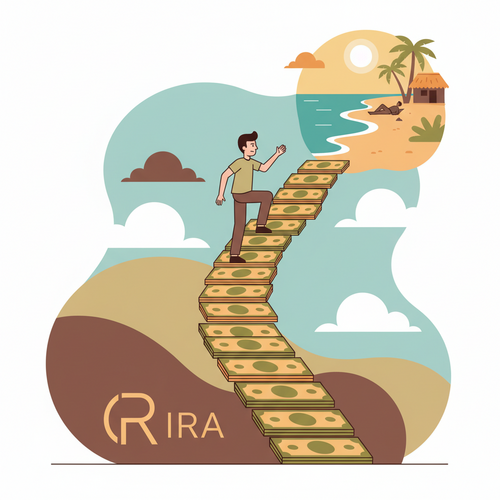
The Roth IRA Conversion Ladder offers a compelling strategy for those dreaming of early retirement. Specifically, this method allows investors to access their retirement savings before the traditional age of 59½. Furthermore, it does so without incurring penalties. Consequently, understanding this approach is vital for anyone planning financial independence. Indeed, many forward-thinking individuals are now exploring alternative paths to their golden years. This guide will demystify the Roth IRA Conversion Ladder. It explains its mechanics and benefits for beginner investors. Therefore, prepare to uncover a powerful tool for your early retirement journey.
Understanding the Roth IRA
Before diving into the conversion ladder, comprehending the Roth IRA itself is crucial. Essentially, a Roth IRA is a retirement savings plan. It offers tax-free growth and tax-free withdrawals in retirement. Conversely, contributions are made with after-tax dollars. This means you pay taxes on your money now. However, you enjoy tax-exempt income later. Indeed, this characteristic makes Roth IRAs incredibly attractive for many investors. Specifically, those anticipating a higher tax bracket during retirement find this appealing. Therefore, future tax savings can be substantial. In addition, Roth IRAs do not have required minimum distributions (RMDs) for the original owner. Thus, they offer greater flexibility in managing retirement income.
Traditional vs. Roth IRA
To fully appreciate the Roth, consider its contrast with a Traditional IRA. Primarily, Traditional IRA contributions are often tax-deductible. Consequently, you receive an immediate tax break. However, withdrawals in retirement are then subject to income tax. For instance, think of it as “pay taxes later.” On the other hand, the Roth IRA operates differently. As mentioned, contributions are after-tax. Therefore, all qualified withdrawals in retirement are entirely tax-free. Furthermore, this provides predictable, tax-free income during your non-working years. Understanding this fundamental difference is paramount for strategic financial planning. Thus, choosing the right vehicle depends on your current and future tax outlook.
Why Roth IRAs are Attractive
Roth IRAs hold significant appeal for several reasons. Firstly, their tax-free withdrawal feature is a major draw. For instance, every dollar withdrawn in retirement is truly yours. Secondly, contributions can be withdrawn at any time. This offers an emergency fund component. However, this only applies to the principal. Thirdly, there are no age limits for contributing, provided you have earned income. Furthermore, this flexibility suits many different life stages. Lastly, Roth IRAs offer immense peace of mind. Knowing your retirement income is tax-exempt simplifies budgeting considerably. Consequently, many investors prioritize funding their Roth accounts. Indeed, the benefits extend far beyond just retirement savings. They truly offer a versatile financial tool.
What is the Roth IRA Conversion Ladder?
The Roth IRA Conversion Ladder is a sophisticated strategy. It enables early retirees to access funds from traditional, tax-deferred accounts. Specifically, this happens before age 59½ without penalties. Therefore, it is a game-changer for financial independence. The core idea involves systematically moving money. You transfer funds from a Traditional IRA to a Roth IRA. Consequently, this conversion is a taxable event. However, the money then becomes accessible after a five-year waiting period. This process creates a “ladder” of conversions. Each step becomes available for withdrawal as the five-year clock expires. Furthermore, careful planning is essential to execute this strategy effectively. Indeed, it requires a thorough understanding of tax rules and personal finances. Thus, let’s explore the mechanics. For more general financial insights, consider visiting Reuters.
How the Ladder Works
Implementing the ladder involves a series of calculated steps. First, you convert a portion of your Traditional IRA funds into a Roth IRA. Specifically, this portion becomes subject to income tax in the year of conversion. For instance, if you convert $20,000, that amount is added to your taxable income. Subsequently, you wait five full calendar years from January 1st of the year of conversion. After this period, the converted principal can be withdrawn entirely tax-free and penalty-free. Furthermore, you repeat this process each year. Consequently, after five years, you will have a new “rung” of your ladder available annually. This provides a steady stream of tax-free income. Therefore, it fills the gap until other retirement accounts become accessible. Indeed, consistency is key for a robust ladder.
The Five-Year Rule Explained
Understanding the five-year rule is absolutely critical for the Roth IRA Conversion Ladder. In essence, there are two distinct five-year rules for Roth IRAs. The first applies to your Roth IRA account itself. It determines if your earnings can be withdrawn tax-free. However, for the conversion ladder, a different five-year rule is paramount. Specifically, this rule applies to each individual conversion event. Each amount converted from a Traditional to a Roth IRA must sit in the Roth account for five full calendar years. Otherwise, if withdrawn prematurely, the converted amount could be subject to a 10% early withdrawal penalty. Therefore, strict adherence to this timeline prevents costly mistakes. Furthermore, it ensures your early retirement funds remain penalty-free. Indeed, tracking each conversion date accurately is vital for success. Thus, plan your withdrawals carefully based on these individual clocks.
Benefits for Early Retirement
The Roth IRA Conversion Ladder offers distinct advantages for individuals targeting early retirement. Primarily, it addresses the common challenge of accessing retirement funds before age 59½. Consequently, it fills a critical income gap. Furthermore, this strategy provides a reliable source of tax-free income during your early retirement years. Indeed, this can significantly enhance financial security. Therefore, many early retirees find this approach invaluable.
Accessing Funds Before 59½
One of the most significant hurdles for early retirees is penalty-free access to funds. Most traditional retirement accounts, such as 401(k)s and Traditional IRAs, impose a 10% penalty for withdrawals before 59½. However, the Roth IRA Conversion Ladder bypasses this restriction. Specifically, once a converted amount has satisfied its individual five-year waiting period, it can be withdrawn without penalty. For instance, if you convert $20,000 in 2024, that principal is available penalty-free in 2029. This creates a staggered series of accessible funds. Furthermore, this flexibility is crucial for funding living expenses in those early years. Thus, it empowers you to leave the workforce sooner. Indeed, it transforms illiquid retirement savings into accessible capital. Learn more about financial planning at Bloomberg.
Tax-Free Withdrawals in Retirement
Beyond early access, the tax-free nature of Roth withdrawals provides immense value. In retirement, every dollar saved on taxes translates into more spending power. Consequently, this enhances your quality of life. The Roth IRA Conversion Ladder ensures that the converted principal, once the five-year rule is met, is completely free from federal income tax. Depending on your state, it may also be state tax-free. Furthermore, this tax certainty simplifies budgeting considerably. For instance, you won’t need to account for fluctuating tax rates on this portion of your income. Indeed, this offers predictability often missing from other retirement income sources. Therefore, a significant portion of your early retirement income can be fully protected from taxation. This creates a powerful financial shield.
Potential Pitfalls and Considerations
While the Roth IRA Conversion Ladder offers numerous benefits, it also comes with important considerations. Understanding these potential pitfalls is crucial for successful implementation. Therefore, careful planning and attention to detail are paramount. Indeed, failing to consider these aspects could lead to unexpected tax liabilities or penalties. Consequently, approach this strategy with diligence. Thus, let’s explore some key areas needing your focus.
Tax Implications of Conversion
The most immediate consideration is the tax impact of each conversion. When you move money from a Traditional IRA to a Roth IRA, that amount is added to your taxable income. For instance, if you convert $50,000 in a year, your adjusted gross income (AGI) increases by that amount. Subsequently, this could push you into a higher tax bracket. Furthermore, it might affect other tax-related items, such as deductions or credits. Therefore, it is essential to plan your conversions strategically. Specifically, consider converting during years when your income is lower. For instance, this could be during a sabbatical or after leaving a high-paying job. Consulting a tax professional is highly recommended before initiating any large conversions. Indeed, they can help optimize your strategy. Thus, minimizing your tax burden is a key goal. For expert financial news, visit The Wall Street Journal.
Planning Your Conversions
Effective planning is the cornerstone of a successful Roth IRA Conversion Ladder. Firstly, you must determine how much income you will need in your early retirement years. This helps dictate the size and frequency of your conversions. Secondly, consider your current and projected tax brackets. Consequently, converting too much in one year could lead to an unnecessarily high tax bill. Thirdly, always factor in the five-year rule for each conversion. Furthermore, maintaining meticulous records of each conversion date and amount is vital. For instance, a simple spreadsheet can track these details. In addition, ensure you have enough cash outside your IRA to cover the taxes due on each conversion. Never use the converted funds themselves to pay the taxes. Doing so can trigger additional penalties. Therefore, a comprehensive financial plan is indispensable. Indeed, it turns a complex strategy into an achievable goal. You can find more financial insights at Forbes.
Is the Roth IRA Conversion Ladder Right for You?
Deciding if the Roth IRA Conversion Ladder fits your personal financial situation requires careful evaluation. This strategy works best for individuals with specific profiles. For instance, those planning to retire significantly before age 59½ are ideal candidates. Additionally, people who anticipate being in a higher tax bracket during retirement than during their conversion years will benefit greatly. Conversely, if your income is currently high, the immediate tax cost of conversion might be substantial. Therefore, assessing your future tax situation is critical. Furthermore, you must have enough non-IRA funds available to pay the taxes on conversions. Indeed, this is a non-negotiable requirement. Consulting a qualified financial advisor is highly recommended. Specifically, they can help you analyze your unique circumstances. Thus, make an informed decision aligned with your long-term goals. For further economic news, explore CNN Money.
Conclusion
The Roth IRA Conversion Ladder stands as a powerful, yet intricate, strategy. It empowers early retirees to achieve financial independence by providing penalty-free access to funds. Furthermore, it locks in tax-free income for future years. Understanding its mechanics, particularly the five-year rule for each conversion, is essential. While the upfront tax cost demands careful planning, the long-term benefits can be substantial. Therefore, this method can truly transform your retirement outlook. Indeed, it offers a pathway to living life on your terms sooner. However, always seek professional financial and tax advice. This ensures the Roth IRA Conversion Ladder aligns perfectly with your individual financial landscape. Consequently, you can confidently embark on your journey towards an earlier, more secure retirement.