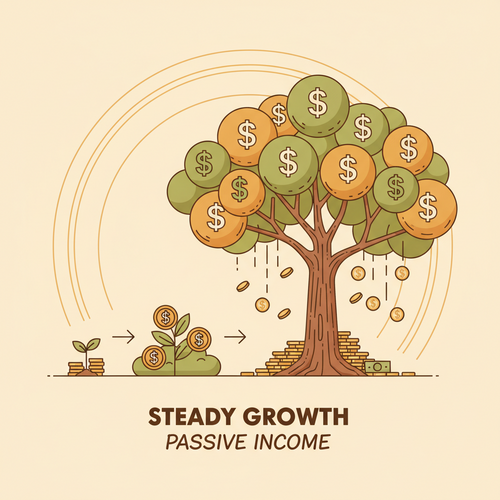
Dividend growth investing offers a compelling path to financial freedom. This strategy focuses on companies consistently increasing their dividend payouts. Therefore, it provides a steadily growing stream of passive income. Furthermore, it can be an excellent approach for beginner investors. Understanding this method is crucial for long-term wealth building.
What is Dividend Growth Investing?
Dividend growth investing involves purchasing shares of companies that regularly raise their dividends. Companies often reward shareholders with a portion of their profits. These distributions are called dividends. However, not all companies pay dividends. Furthermore, not all dividend-paying companies increase them regularly. A key component of this strategy is selecting businesses with a strong history of annual dividend increases. This approach emphasizes both income and capital appreciation. Therefore, it provides a dual benefit to investors.
The Power of Compounding Dividends
Compounding is a powerful financial concept. It allows your earnings to generate further earnings. Reinvesting your dividends accelerates this process. For instance, imagine receiving a dividend payment. You can use this money to buy more shares. These new shares then earn their own dividends. Over time, this creates an exponential growth effect. This is why long-term commitment is essential for success. Consequently, your passive income stream grows faster and faster.
Why Choose Dividend Growth Stocks?
Several reasons make dividend growth stocks attractive. First, they provide a consistent income stream. This income can support your living expenses. Furthermore, it offers financial stability. Second, these companies are often financially sound. A business must be profitable to sustain dividend increases. Therefore, it implies a certain level of financial health. Third, dividend growers tend to be less volatile. Their stable nature provides a cushion during market downturns. Finally, they offer inflation protection. As dividends grow, they help maintain your purchasing power. This is a crucial consideration for retirement planning.
Key Characteristics of Great Dividend Growth Stocks
Identifying the right companies is vital for this strategy. Certain characteristics indicate a strong candidate. Understanding these traits helps you make informed decisions. Thus, careful research is always recommended.
Strong Financial Health
A company’s balance sheet tells an important story. Look for businesses with low debt levels. Strong cash flow generation is also critical. These factors ensure the company can afford its dividend payments. Furthermore, they support future increases. A healthy financial position provides resilience. Therefore, it protects your investment. You can often find this information in annual reports. (Source: Reuters)
Consistent Dividend History
Past performance does not guarantee future results. However, a long history of dividend increases is a good indicator. Look for companies that have raised dividends for many years. Some companies are even known as “Dividend Aristocrats” or “Dividend Kings.” These titles signify decades of consecutive increases. Such a track record demonstrates a commitment to shareholders. Consequently, it suggests reliability. (Source: Investopedia)
Sustainable Payout Ratio
The payout ratio measures how much of a company’s earnings are paid out as dividends. A high payout ratio might be unsustainable. It leaves little room for growth or unforeseen challenges. Generally, a payout ratio between 40% and 60% is considered healthy. This balance allows for reinvestment back into the business. Furthermore, it provides flexibility for dividend increases. Therefore, a reasonable payout ratio is crucial.
Competitive Advantage (Moat)
A “moat” refers to a company’s competitive advantage. This protects its market share and profitability. Examples include strong brands, patented technology, or high switching costs. Companies with moats can maintain pricing power. They also sustain healthy profit margins. This economic advantage fuels consistent earnings growth. Consequently, it supports long-term dividend increases. Identifying such companies is a cornerstone of smart investing.
Growth Prospects
Even dividend stocks need growth. Look for companies operating in growing industries. A company should have opportunities to expand its revenue and earnings. This growth fuels future dividend hikes. Without growth, dividend increases might eventually slow down. Therefore, consider the company’s future prospects. Diversification across different sectors can mitigate risks. (Source: USA.gov)
Building Your Passive Income Portfolio
Creating a portfolio requires a systematic approach. It is more than just picking a few stocks. A thoughtful strategy ensures long-term success. Furthermore, it helps manage risks effectively.
Start with a Plan
Define your financial goals clearly. How much passive income do you need? When do you need it? Your investment horizon influences your choices. Therefore, a clear roadmap is essential. Understand your risk tolerance as well. This guides your stock selection process. A solid plan provides direction.
Diversify Your Holdings
Diversification is key to managing risk. Do not put all your eggs in one basket. Invest in companies across different industries. Include various market capitalizations. Furthermore, consider geographical diversification. This strategy reduces the impact of poor performance from a single stock. Consequently, it protects your overall portfolio. A diversified portfolio is more resilient.
Reinvest Your Dividends
As mentioned earlier, dividend reinvestment is powerful. It accelerates the compounding process. Many brokerage accounts offer automatic dividend reinvestment plans (DRIPs). This simplifies the process for you. Therefore, consider utilizing this feature. It helps build your passive income faster. Consistently reinvesting pays off over decades.
Monitor and Rebalance
Your portfolio is not a “set it and forget it” affair. Regular monitoring is important. Review your holdings periodically. Ensure they still meet your criteria. Sometimes, a company’s fundamentals change. You might need to adjust your positions. Rebalancing helps maintain your desired asset allocation. This ensures your portfolio aligns with your goals. However, avoid excessive trading. Long-term patience is a virtue in investing.
Common Mistakes to Avoid
Beginner investors often make certain errors. Recognizing these pitfalls helps you avoid them. Learning from others’ mistakes is wise. Therefore, be mindful of these common issues.
Chasing High Yields
A very high dividend yield can be a red flag. It often indicates that the stock price has fallen significantly. This might signal underlying problems with the company. A high yield can also be unsustainable. It could lead to a dividend cut. Therefore, always investigate the reason for a high yield. Focus on sustainable growth, not just current yield.
Ignoring Valuation
Even great companies can be bad investments at the wrong price. Do not overpay for a stock. Valuation metrics help assess a stock’s fairness. Common metrics include Price-to-Earnings (P/E) ratio and Price-to-Book (P/B) ratio. Purchasing shares at a reasonable valuation improves your returns. Therefore, always consider the price you pay. Value investing principles apply to dividend growth.
Lack of Patience
Dividend growth investing is a long-term strategy. It requires patience and discipline. Do not expect overnight riches. Compounding takes time to work its magic. Market fluctuations are normal. Therefore, stay committed to your plan. Avoid making emotional decisions during downturns. Consistency is more important than timing the market.
Failing to Diversify
Concentrating too much capital in a few stocks is risky. A single company’s struggles can severely impact your portfolio. Proper diversification spreads your risk. It smooths out returns over time. Therefore, always build a diversified portfolio. This protects your capital effectively. Remember the importance of spreading investments.
Tax Implications of Dividends
Understanding taxes is an important aspect of investing. Dividends are generally taxable. The tax rate depends on your income bracket. It also depends on the type of dividend received. Qualified dividends are taxed at lower capital gains rates. Ordinary dividends are taxed at your regular income tax rate. Therefore, consult a tax professional. They can provide personalized advice. Proper tax planning maximizes your net returns.
Conclusion
Dividend growth investing offers a robust strategy for building passive income. It combines consistent income with capital appreciation potential. By focusing on financially sound companies with a history of increasing dividends, you can build a resilient portfolio. Remember to diversify, reinvest dividends, and remain patient. Furthermore, avoid common pitfalls like chasing high yields. With a disciplined approach, you can achieve your financial goals. Therefore, start your dividend growth journey today. Building a reliable passive income stream is within your reach.