Introduction
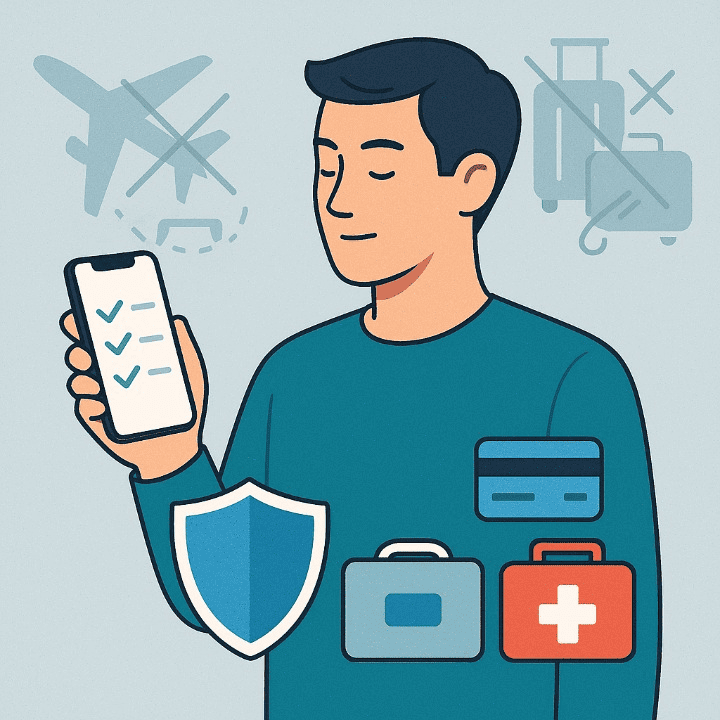
We all plan our travels for months, dreaming of perfect days filled with new sights, sounds, and experiences. We budget, save, and look forward to a seamless adventure. But sometimes, despite our best efforts, things go wrong. You might lose your wallet, face an unexpected health issue, or an airline could suddenly cancel your flight, leaving you stranded. In these moments, panic can easily set in, turning a dream vacation into a financial and logistical nightmare. While no one wants to think about these scenarios, preparing for them gives you the power to maintain control and protect your finances. This guide serves as your calm, practical playbook. By knowing what steps to take, you can effectively navigate a travel emergency, transforming a potential disaster into a manageable bump in the road.
The Best Defense: Preparation Before You Leave
Your ability to handle a financial emergency abroad begins long before you step on the plane. A few hours of thoughtful preparation can save you days of stress and hundreds, if not thousands, of dollars.
Secure Comprehensive Travel Insurance
This is the most critical step and your ultimate financial safety net. Your standard health plan may not cover you overseas, and a medical emergency can become astronomically expensive in another country. Good travel insurance is not a luxury; it’s a necessity. Look for a policy that covers, at a minimum, medical emergencies and evacuation, trip cancellation or interruption, and lost or stolen luggage. You should read the policy carefully to understand the coverage limits and the process for making a claim. This single purchase provides the most robust financial protection you can have while traveling.
Organize Your Financial Arsenal
You should never rely on a single source of money. Diversify the payment methods in your wallet:
- A primary credit card: Ideal for most purchases due to its security features.
- A backup credit card: Crucially, carry a backup from a different payment network (e.g., one Visa and one Mastercard) and store it separately from your primary card.
- A debit card: For withdrawing cash from ATMs.
- A small amount of local currency: For immediate small purchases upon arrival.
Inform Your Banks
There’s nothing worse than having your bank decline your card because its fraud detection system thinks your purchase in another country is suspicious. Before you leave, notify your bank and credit card companies of your travel dates and destinations. This simple phone call or online notification prevents them from blocking your legitimate transactions.
Create a Digital Backup
Make photocopies or take clear pictures of your essential documents. This includes your passport, driver’s license, the front and back of your credit cards, and your travel insurance policy information. Store these images securely in a cloud service like Google Drive or Dropbox, so you can access them from any device, anywhere in the world.
When a Crisis Hits: Your Action Plan for Common Emergencies
Even with perfect preparation, the unexpected can happen. When it does, your goal is to stay calm and follow a clear plan.
Scenario A: You Lose Your Wallet or Someone Steals It
This is a classic travel nightmare. Your cash, cards, and ID are gone.
- Step 1: Don’t Panic. Find a safe place, take a deep breath, and assess the situation.
- Step 2: Cancel Your Cards Immediately. This is your top priority to prevent fraudulent charges. Use your digital backups to find the 24/7 international support numbers for your credit card and debit card issuers. Report the cards as lost or stolen.
- Step 3: Arrange for Emergency Funds. Your bank or credit card company can often help. They may be able to wire money to you or arrange for an emergency replacement card, which they can deliver to your hotel. This is where having a backup card stored safely elsewhere becomes a lifesaver.
- Step 4: File a Police Report. Go to the local police station and file a report. Insurance companies almost always require this official document when you make a claim for stolen cash or belongings.
Scenario B: You Have a Sudden Medical Issue
An unexpected illness or injury is one of the most stressful and potentially expensive travel emergencies.
- Step 1: Get Medical Help. Your health is the priority. Go to the nearest clinic or hospital.
- Step 2: Contact Your Travel Insurance Provider. As soon as you are able, call the 24/7 emergency assistance number your insurance company provides. They are your most important ally. They can help you find a reputable doctor, guarantee payment to the hospital so you don’t have to pay upfront, and arrange for medical evacuation if necessary.
- Step 3: Document Everything. Keep all receipts, doctor’s notes, prescriptions, and any other medical paperwork. You will need this documentation for your insurance claim.
The Critical Role of Your Credit Card in an Emergency
In a travel emergency, a credit card is often your most powerful tool. It provides immediate access to a line of credit for large, unexpected expenses, such as last-minute flights or hotel stays. Furthermore, most credit cards offer robust fraud protection. If someone uses your card for unauthorized transactions, you are typically not held liable for the charges. Some premium travel credit cards also offer valuable built-in perks, such as trip delay reimbursement or rental car insurance, which can provide an additional layer of financial protection. Having that backup credit card in a separate, safe location ensures that even if you lose your wallet, you are not left without financial resources.
A Practical Scenario: How Maya Handled a Lost Backpack
Maya was exploring a bustling market in a foreign city when she realized a thief had stolen her backpack, which contained her wallet, passport, and phone. Panic began to rise, but she forced herself to remember her pre-trip planning.
She quickly returned to her hotel. Using her laptop, she accessed her secure cloud storage and pulled up the digital copies of her documents. First, she called the support number for her primary credit card and debit card and cancelled them. Next, she called the 24/7 hotline for her backup credit card company. They verified her identity and immediately arranged to courier an emergency card to her hotel, scheduled to arrive the next day. She then contacted her travel insurance provider to start the claims process for her belongings and the cost of an emergency passport. What could have been a trip-ending disaster was transformed into a manageable, albeit stressful, inconvenience all because she was prepared.
Conclusion
We all travel with the hope of a flawless journey, but true travel wisdom lies in preparing for the imperfections. Building a solid plan for potential emergencies is one of the most empowering things you can do as a traveler. A comprehensive travel insurance policy acts as your shield, a smart credit card strategy is your tool, and an organized digital backup of your information is your key. Together, they create a safety net that allows you to face the unexpected not with panic, but with a clear head and a plan of action, ensuring you protect your finances no matter where in the world you are.