Introduction
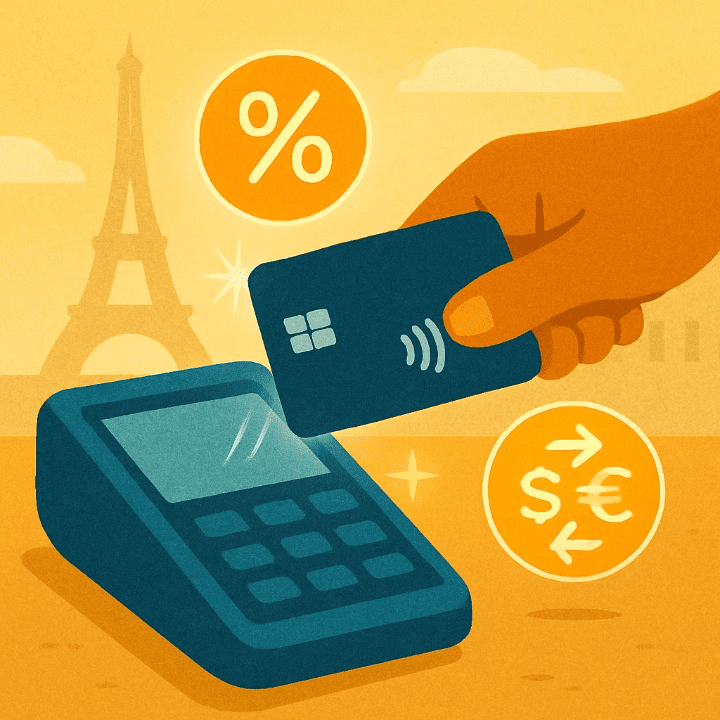
Planning an international trip is filled with excitement. You research destinations, book flights, and dream of the experiences that await. Yet, in all this planning, many travelers overlook a crucial detail that can quietly drain their budget: how to manage money and deal with foreign currency. When you arrive in a new country, you are immediately faced with choices. Should you exchange cash at the airport kiosk? Use your regular debit card at an ATM? Or simply pay for everything with your credit card? Making the wrong choice can cost you a significant amount in hidden fees and poor exchange rates. This guide is designed to be your simple, practical resource for navigating these decisions. We will show you how to spend smarter, avoid common traps, and make your travel budget stretch further, so you can focus on what truly matters—enjoying your adventure.
The Golden Rule: Avoid Airport Exchange Kiosks
Let’s start by addressing the most common and costly mistake travelers make. After a long flight, the currency exchange kiosk in the airport arrivals hall seems like the most convenient option. However, this convenience comes at a very high price. These kiosks are notorious for offering some of the worst exchange rates you will find anywhere, often coupled with high service fees. They thrive on travelers who are tired and seeking an easy solution. The single best thing you can do for your travel budget is to walk right past them. A much better strategy is to wait until you are through customs and find an official bank ATM to withdraw a small amount of local currency for your immediate needs.
Your Financial Toolkit for International Travel
The key to managing money effectively abroad is to have a small, curated toolkit of payment methods. Relying on just one option, whether it’s cash or a single card, can leave you vulnerable. Here is the ideal setup for a modern international traveler.
Your Best Friend: The No-Foreign-Transaction-Fee Credit Card
This is the most important tool in your arsenal. Many credit cards charge a “foreign transaction fee” on every purchase you make in a different currency. This fee is typically around 3% of the transaction amount, which is like adding an extra tax to everything you buy. A dedicated travel credit card with no foreign transaction fees is your solution. When you use this card, you not only avoid that extra fee, but you also get access to some of the best possible exchange rates. The conversion rates used by major networks like Visa and Mastercard are extremely competitive, far better than any rate you could get exchanging cash. For most of your purchases—hotels, restaurants, train tickets, and shopping—this credit card should be your default payment method.
Your Reliable Backup: A Travel-Friendly Debit Card
While a credit card is best for purchases, you will still need some local cash for smaller items like street food, market souvenirs, or public transportation. The best way to get this cash is by using a debit card at a local bank’s ATM. Before you travel, check with your bank about their international ATM fees. Ideally, you want a debit card from a bank that either waives these fees or reimburses you for them. This allows you to withdraw small amounts of cash as needed without paying hefty fees each time.
For Absolute Emergencies: A Small Amount of Cash
It’s always wise to have a small emergency stash of cash. This could be about $100-$200 in your home currency or a major global currency like U.S. Dollars or Euros. Keep this hidden away separately from your main wallet. This cash is not for daily spending; it’s your safety net if you lose your cards and need money to get by while you arrange for replacements.
The “Dynamic Currency Conversion” Trap: Always Pay in the Local Currency
Here is a crucial tip that can save you a surprising amount of money. When you use your credit card in another country, the payment terminal will often present you with a question: “Would you like to pay in [Your Home Currency] or [The Local Currency]?”
It might seem convenient to choose your home currency because you instantly know the cost. This is a trap. It’s called Dynamic Currency Conversion (DCC). When you choose to pay in your home currency, you are allowing the merchant’s bank to set the exchange rate for you, and they will always give you an unfavorable rate so they can make a profit on the conversion.
The rule is simple: Always, without exception, choose to pay in the local currency. Let your own credit card network (Visa, Mastercard, etc.) handle the currency conversion. Their rates are far more competitive, and you will always come out ahead.
A Practical Scenario: Two Friends in Paris
Let’s look at two friends, Alex and Ben, on a one-week trip to Paris.
- Alex was worried about money, so he exchanged $500 for Euros at his home airport before leaving, receiving a poor exchange rate. During the trip, he used his regular credit card for most purchases, which charged him a 3% foreign transaction fee every time. When a card machine asked if he wanted to pay in USD or Euros, he always chose USD for “convenience.”
- Ben arrived in Paris with only the equivalent of $50 in his pocket. He immediately went to a BNP Paribas ATM (a major local bank) and used his travel-friendly debit card to withdraw €100 for small expenses. For all his larger purchases at restaurants and museums, he used his no-foreign-transaction-fee credit card and made sure to always select “Euros” when prompted.
At the end of the trip, they compared their bank statements. Despite spending roughly the same amount on the same things, Alex had paid significantly more. His initial poor exchange rate, the cumulative 3% fees on every card purchase, and the unfavorable DCC rates had needlessly chipped away at his travel budget. Ben, by using the right tools and making smart choices, had made his money go further.
Quick Tips for Smart Spending Abroad
- Notify Your Bank: Before you leave, let your bank and credit card companies know your travel dates to avoid your cards being frozen for suspicious activity.
- Get a Currency App: Download a simple currency conversion app on your phone. It helps you get a quick sense of how much things cost in your home currency.
- Know the Tipping Culture: A quick search can tell you about the local customs for tipping, which can vary widely from country to country.
- Carry Small Change: Having small bills and coins is always useful for small vendors, public restrooms, or leaving a small tip.
Conclusion
Managing your money while traveling internationally does not need to be a source of stress or hidden costs. With a little preparation and knowledge, you can navigate the world of foreign currency like a seasoned pro. The key is to use the right tools for the job—primarily a no-foreign-transaction-fee credit card—and to be aware of common pitfalls like airport exchange counters and dynamic currency conversion. By making smart financial choices, you can protect your budget from unnecessary fees and focus on what really matters: the priceless value and joy of your travel experiences.