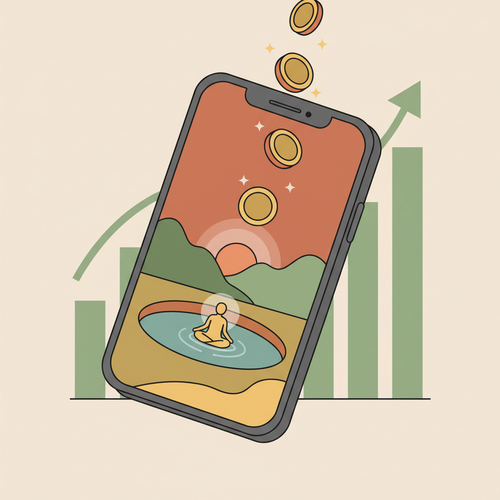
Mental health app subscriptions worth close examination are increasingly common in today’s digital world. Therefore, many individuals wonder if these monthly costs truly represent a worthwhile investment. Indeed, the proliferation of digital tools aimed at well-being has transformed how people seek support.
Historically, accessing mental health resources often involved significant logistical hurdles. For instance, scheduling appointments with therapists, navigating insurance, or dealing with long waitlists were standard challenges. Consequently, these barriers frequently deterred individuals from seeking necessary care. The rise of smartphone applications, however, has provided a more accessible and often immediate alternative. Furthermore, these apps promise convenience, anonymity, and a wide array of tools right at one’s fingertips.
The Evolving Landscape of Digital Mental Health Support
The demand for mental health services has surged significantly in recent years. This increase is driven by heightened awareness and ongoing global stressors. Therefore, digital solutions have become crucial. Initially, mental health apps offered basic features like mood tracking or simple meditation exercises. However, their capabilities have expanded dramatically. Many now provide guided meditation, cognitive behavioral therapy (CBT) exercises, access to licensed therapists, and even crisis support. Consequently, understanding their various offerings is essential before committing financially.
Numerous apps cater to diverse needs. Some focus on mindfulness and stress reduction. Others provide structured programs for anxiety or depression management. Still others connect users directly with mental health professionals. This variety means that consumers have more choices than ever before. For example, popular apps like Calm and Headspace focus on meditation and sleep. Conversely, platforms such as BetterHelp and Talkspace offer virtual therapy sessions with licensed practitioners. These different approaches reflect the broad spectrum of mental health needs.
Breaking Down Subscription Models and Features
Most mental health apps operate on either a freemium or a full subscription model. Freemium apps offer basic features for free. However, premium content or advanced functionalities require a paid subscription. Full subscription apps, conversely, often require payment from the outset to access any significant features. The monthly costs can vary widely. Specifically, basic meditation apps might charge $5-$15 per month. Conversely, platforms offering live therapy sessions could cost $60-$400 weekly or monthly, depending on the frequency and type of service. Therefore, it is crucial to understand what your subscription covers.
Typically, a subscription unlocks a wealth of exclusive content. This often includes an extensive library of guided meditations. Furthermore, subscribers might gain access to specialized programs for sleep, anxiety, or focus. Many apps provide advanced mood tracking and journaling features. These tools can help users identify patterns in their emotional well-being. Additionally, some subscriptions offer personalized coaching or direct interaction with mental health experts. Such premium features aim to provide a more comprehensive and tailored experience. Indeed, the value proposition often lies in the depth and breadth of these exclusive offerings.
Advantages of Investing in Mental Health App Subscriptions
There are several compelling reasons why a mental health app subscription might be a worthwhile expenditure. Firstly, accessibility stands out as a major benefit. These apps provide support whenever and wherever you need it. This convenience is particularly valuable for individuals with busy schedules. Secondly, anonymity can be a significant advantage. Some people feel more comfortable addressing their mental health concerns privately through an app rather than in person. This discretion encourages more individuals to seek help. Consequently, it removes a common barrier to entry for mental health care. For more information on global trends in mental health, consider resources like Reuters.
Furthermore, digital mental health tools often offer structured, evidence-based programs. These programs are designed to teach coping mechanisms and build resilience. For instance, many apps incorporate principles from Cognitive Behavioral Therapy (CBT). CBT is a well-researched therapeutic approach. Consequently, users can learn practical skills to manage stress, anxiety, or depression at their own pace. This self-guided learning empowers individuals to take an active role in their well-being. Indeed, many find the gamified elements and progress tracking within these apps highly motivating.
Moreover, app subscriptions can sometimes be more cost-effective than traditional therapy. While a full-service therapy app might seem expensive, it can still be less than weekly in-person sessions. This financial comparison is especially true for those without robust health insurance coverage. Additionally, apps serve as excellent supplemental tools. They can reinforce lessons learned in therapy or provide daily support between sessions. Thus, they contribute to a more continuous approach to mental wellness. Finally, they promote proactive mental health care. Engaging with these tools regularly can help prevent issues from escalating, fostering overall resilience. Exploring financial aspects of personal well-being is often covered by reputable financial news outlets such as Bloomberg.
Potential Drawbacks and Critical Considerations
Despite their advantages, mental health app subscriptions also present potential drawbacks. Firstly, they are not a substitute for professional help in severe cases. Individuals experiencing severe depression, psychosis, or suicidal ideation require immediate clinical intervention. Apps, while helpful, lack the nuanced diagnostic capabilities and crisis management of a human therapist. Therefore, it is critical to understand the limitations of these digital tools. Always seek professional advice for serious mental health concerns.
Secondly, the quality and effectiveness of apps can vary dramatically. Not all apps are created equal. Some may lack scientific backing. Others might not adhere to best practices for data privacy. Consequently, users must exercise due diligence. Researching an app’s credentials, user reviews, and privacy policy is paramount. Furthermore, concerns about data security are valid. Personal mental health data is highly sensitive. Thus, ensuring an app has robust encryption and privacy measures is essential. Financial implications for data privacy breaches are often significant, as discussed on sites like Forbes.
Thirdly, subscription fatigue is a real issue. Many people juggle multiple subscriptions for entertainment, fitness, and productivity. Adding another monthly cost, even for mental health, can become burdensome. Individuals might subscribe to an app with good intentions. However, they may eventually stop using it regularly. This leads to wasted expenditure. Therefore, assessing your commitment level before subscribing is wise. Also, consider the long-term financial commitment. A monthly fee, while small individually, adds up over time. Ultimately, the cumulative cost can detract from its perceived value if not consistently utilized.
Factors to Weigh Before Committing
Before subscribing to a mental health app, consider several key factors. First, clearly identify your specific needs and goals. Are you looking for stress reduction? Do you need tools for managing anxiety? Perhaps you seek support for improving sleep? Different apps specialize in different areas. Therefore, matching an app’s offerings to your personal objectives is crucial. This alignment ensures you choose the most appropriate and effective tool.
Second, evaluate the content and features thoroughly. Does the app offer guided exercises, journaling prompts, or access to community forums? If it promises therapy, verify the credentials of the professionals. Look for apps that use evidence-based techniques. For instance, those incorporating CBT or mindfulness-based stress reduction are often more effective. A strong foundation in psychological principles indicates a higher quality product. Moreover, checking for trial periods is essential. Many reputable apps offer a free trial. This allows you to test the app’s interface and content before making a financial commitment. Utilizing these trials can save you money and disappointment.
Third, read user reviews and seek recommendations. The experiences of others can provide valuable insights into an app’s practical utility and user satisfaction. While individual experiences vary, consistent positive feedback often indicates a reliable and beneficial product. Conversely, numerous negative reviews, especially regarding functionality or customer support, should raise red flags. Furthermore, consider any endorsements from mental health organizations. Such endorsements often signify a higher standard of quality and ethical practice. The intersection of technology and personal finance often includes considerations like this, frequently covered by publications like The Wall Street Journal.
Making a Financially Sound Decision for Your Well-being
Deciding whether a mental health app subscription is worth the cost ultimately involves a personal financial assessment. Consider your overall budget for health and wellness. How does this subscription fit into that budget? Compare the app’s cost to alternative forms of support. For example, a single session with an in-person therapist can range from $100 to $250 or more without insurance. In contrast, many app subscriptions are significantly less expensive monthly. Therefore, for ongoing daily support, an app might offer superior value. However, remember that apps are generally not replacements for intensive therapy.
View the subscription as an investment in your personal well-being. An investment in mental health can yield significant returns in terms of improved productivity, relationships, and overall quality of life. Conversely, neglecting mental health can lead to far greater costs, both personal and financial, in the long run. Thus, allocating resources to proactive mental care is a strategic decision. Furthermore, track your usage. Are you consistently engaging with the app? If not, reassess its value to you. It is financially prudent to cancel subscriptions that are no longer serving their intended purpose. Your financial literacy will help guide these decisions, and learning more about personal finance can be done through resources like Investopedia.
Ultimately, the “worth” of a mental health app subscription is subjective. It depends on your individual needs, how diligently you use the app, and the specific features it offers. It is not a universal solution. However, for many, these digital tools provide accessible, convenient, and effective support. They empower individuals to manage their mental health proactively. They also bridge gaps in traditional care systems. Therefore, careful research and a trial period are your best allies in making an informed choice. Ensure the chosen app aligns with your goals and budget.
Conclusion
Are mental health app subscriptions worth their monthly cost? The answer is nuanced, depending heavily on individual circumstances and diligent app selection. These digital tools offer unparalleled accessibility, privacy, and a wide array of evidence-based resources. Furthermore, for many, they provide a cost-effective and convenient way to proactively manage well-being. However, they are not a substitute for professional therapy in severe cases. Consequently, users must carefully evaluate an app’s quality, privacy policies, and how well it aligns with their specific mental health goals. Ultimately, by conducting thorough research, utilizing free trials, and honestly assessing your commitment, you can make an informed decision. This will ensure your investment genuinely supports your mental wellness journey.