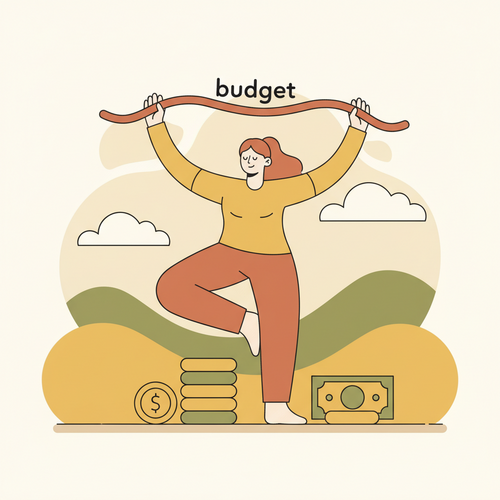
Embracing Financial Yoga helps you stretch your budget. It significantly reduces money anxiety. Many beginner investors find this approach helpful. Indeed, it offers a clear pathway to financial peace. This article will guide you through practical steps. Consequently, you can achieve greater financial control.
Understanding Financial Stress
Money worries plague countless individuals daily. Consequently, financial stress impacts overall well-being. Understanding its origins is crucial for everyone. Therefore, we will explore some common triggers. Recognizing these triggers is the first step toward relief. Indeed, awareness brings significant clarity.
The Root Causes of Money Anxiety
Unexpected expenses often cause immediate stress. Furthermore, job insecurity creates profound anxiety. High debt levels contribute significantly to ongoing worry. Moreover, a lack of adequate savings fuels constant apprehension. Poor financial planning can also exacerbate these feelings. Consequently, individuals feel trapped. Recognizing these issues forms a solid foundation. Thus, you begin your journey to freedom.
Inflationary pressures erode purchasing power. This leads to increased anxiety about future costs. Investment losses, even small ones, can trigger panic. Conversely, a fear of missing out on opportunities (FOMO) drives risky decisions. Societal expectations also add pressure. For instance, keeping up with peers strains resources. Understanding these deep-seated causes helps. It fosters empathy for your situation. Indeed, knowledge is power in this realm.
Recognizing Your Financial Triggers
Identify precisely what causes your stress. For instance, receiving monthly bills might trigger anxiety. Checking your bank balance could also be a trigger. Conversely, avoiding financial statements only worsens the problem. Pay close attention to your emotional responses. Therefore, you can pinpoint specific stressors. Acknowledging these triggers allows for proactive management. Thus, you gain profound control over your reactions.
Think about specific situations. Are holidays particularly stressful? Does talking about money with family cause tension? Consider your spending habits. Do impulse purchases lead to guilt later? Furthermore, assess your relationship with credit cards. High balances often create significant stress. Recognizing these patterns is incredibly empowering. Indeed, it reveals areas needing attention. This self-awareness is a core component of Financial Yoga.
Embracing the “Financial Yoga” Mindset
Adopting a new mindset is incredibly powerful. Financial yoga promotes a balanced approach to money. Specifically, it encourages mindful money management practices. Furthermore, it helps you set realistic financial intentions. This mindset shift is transformative. Consequently, it leads to lasting positive changes. You learn to approach money with calm. Indeed, peace becomes attainable.
Mindfulness in Money Management
Pay deliberate attention to your spending. Consequently, you make much better financial decisions. Avoid impulse purchases whenever possible. Instead, consider your long-term financial goals. Think before you spend. Mindfulness reduces future regret. Indeed, it fosters a sense of peace and control. This practice builds a stronger connection. You become more aware of your money’s flow.
Practice conscious consumption. Ask yourself if a purchase aligns with your values. Is it a true need or merely a want? Furthermore, consider the environmental impact of your choices. This adds another layer of mindfulness. It deepens your connection to your resources. Consequently, you spend with greater purpose. Therefore, wasteful spending decreases. This mindful approach truly transforms your relationship with money.
Setting Realistic Financial Intentions
Define what financial peace means to you. Therefore, set clear, achievable intentions. Perhaps saving for a down payment is a specific goal. Maybe significant debt reduction is paramount. Intentions guide all your financial actions. Thus, you move forward purposefully and efficiently. Break larger goals into smaller, manageable steps. This prevents overwhelm. Indeed, small wins build confidence.
Visualize your financial future clearly. What does it look like? How does it feel? Furthermore, write down your intentions regularly. This reinforces your commitment. Share your goals with a trusted friend. Accountability can be a powerful motivator. Consequently, you stay on track. Realistic intentions prevent discouragement. Thus, your journey remains positive. Remember, progress, not perfection, is the goal.
Core Poses: Budgeting Techniques
Budgeting forms the absolute core of financial yoga. It provides essential structure and clarity. Consequently, you understand your money better than ever. Several effective techniques exist. Indeed, each offers unique benefits. Find the method that resonates most with you. Therefore, stick with it consistently.
The Foundation: Tracking Your Spending
Knowing precisely where your money goes is vital. Therefore, track every single expense diligently. Use dedicated budgeting apps or simple spreadsheets. Categorize your spending meticulously. This clarity reveals important patterns. Thus, you spot areas for immediate improvement. This foundational step is non-negotiable. Indeed, you cannot manage what you do not measure.
Review your bank statements regularly. Highlight all your purchases. Assign each expense a category, such as “groceries” or “entertainment.” Furthermore, consider using a notebook for cash transactions. This ensures nothing slips through the cracks. Consequently, you gain a holistic view. Many free tools are available online. For instance, explore various personal finance software options. This practice illuminates your financial habits clearly.
The “Envelope System” Explained
This classic method utilizes physical cash. Assign specific cash amounts to spending categories. For instance, use separate envelopes for groceries and dining out. When an envelope is empty, stop spending in that category. Consequently, overspending is completely prevented. Indeed, it is a highly tangible approach. It provides immediate visual feedback.
Label each envelope clearly. Put your allocated cash inside. Only use money from the designated envelope. This system works wonderfully for variable expenses. It physically limits your spending. Furthermore, it fosters discipline and awareness. Therefore, you become more intentional with every dollar. This hands-on method offers direct control. Many find it very effective for managing daily costs.
The 50/30/20 Rule: A Flexible Approach
This popular rule allocates your after-tax income simply. Specifically, 50% goes to your essential needs. Furthermore, 30% covers your wants or discretionary spending. The remaining 20% is for savings and debt repayment. It offers great flexibility and simplicity. Thus, it suits many diverse lifestyles. This rule provides a balanced framework. Indeed, it helps prioritize financial health.
Determine your net income first. Calculate 50% for housing, utilities, and groceries. Then, allocate 30% for dining out, entertainment, and hobbies. Finally, dedicate 20% to your emergency fund or investments. Consequently, your financial picture becomes clear. Adjust percentages slightly if necessary. However, strive to maintain the core proportions. This rule simplifies budgeting significantly. Learn more about personal finance strategies.
Advanced Stretches: Debt & Savings
Beyond basic budgeting, advanced techniques exist. Tackling accumulated debt is a significant stretch. Building robust savings provides immense resilience. Therefore, these areas deserve careful attention. Mastering them empowers your financial journey. Indeed, they accelerate your progress.
Conquering Debt: Avalanche vs. Snowball
Two main strategies exist for debt repayment. The “snowball” method pays small debts first. This creates psychological momentum. Conversely, the “avalanche” method targets high-interest debt. This saves more money over the long term. Choose what motivates you most. Indeed, consistency is always the key. Both methods require discipline. Therefore, select one and commit.
List all your debts. Include the balance and interest rate for each. For the snowball, order them from smallest to largest balance. Make minimum payments on all but the smallest. Throw extra money at that one. Once it’s paid, roll that payment into the next smallest. For the avalanche, order them by highest interest rate. Attack that one first. Explore global economic insights impacting debt management. This logical approach minimizes interest paid. Both provide a clear path to becoming debt-free.
Building an Emergency Fund
Unexpected life events happen frequently. A robust emergency fund protects you financially. Aim for three to six months of living expenses. Consequently, financial shocks become much more manageable. Build it steadily and patiently. Thus, you gain profound security. This fund acts as a vital safety net. Indeed, it reduces significant stress during crises.
Start small, even with $50 per month. Automate your savings deposits. This removes the temptation to spend. Place the fund in a separate, easily accessible savings account. Do not invest these funds. Their purpose is liquidity, not growth. Furthermore, resist using it for non-emergencies. Rebuild it promptly if you need to use it. This practice cultivates peace of mind. It is a cornerstone of financial wellness.
Investing for Beginners: Small Steps
Start investing early, even with modest amounts. Even small contributions grow significantly over time. Consider low-cost index funds or ETFs. Seek professional financial advice when unsure. Indeed, investing builds long-term wealth. Many valuable resources are readily available. Begin with consistent, small contributions. Therefore, you harness the power of compounding.
Open a brokerage account with a reputable firm. Research basic investment concepts carefully. Understand the risks involved in investing. Diversify your investments across different assets. Furthermore, avoid trying to time the market. Consistency and patience are paramount for success. Start with what you can comfortably afford. Stay informed with financial news. Investing is a marathon, not a sprint. This step secures your future. It reduces future money anxiety considerably.
Flexibility & Adaptation: Adjusting Your Plan
Financial yoga requires inherent flexibility. Your personal financial situation will change. Therefore, your budget must adapt accordingly. Regular reviews are absolutely essential. Furthermore, finding joy in frugality helps tremendously. Life throws curveballs sometimes. Consequently, your financial plan needs to bend, not break.
Regularly Reviewing Your Budget
Set a consistent review schedule for your budget. Perhaps do it monthly or quarterly. Adjust income and expense categories as needed. New financial goals may emerge over time. Consequently, your budget remains relevant and effective. Indeed, it evolves along with you. This proactive approach prevents stagnation. Therefore, your financial plan stays responsive.
Check your progress against your goals. Are you saving enough for retirement? Is your debt decreasing as planned? Discuss any major life changes. For instance, a new job or a new family member impacts finances. Make necessary adjustments without guilt. Furthermore, celebrate your successes along the way. This keeps you motivated and engaged. Regularly reviewing ensures your financial health remains optimal.
Finding Joy in Frugality
Frugality is not about deprivation. Instead, it is mindful and intentional spending. Discover inexpensive hobbies you genuinely enjoy. Embrace cooking delicious homemade meals. Consequently, you find deep satisfaction in less consumption. Indeed, true joy often comes from within. This shift in perspective is incredibly liberating. Therefore, you redefine what truly enriches your life.
Look for free entertainment options. Many parks and libraries offer great activities. Borrow books or movies instead of buying them. Repurpose items instead of discarding them. Furthermore, mend clothes rather than replacing them. These small actions add up significantly. They reduce environmental impact too. Consequently, you develop a greater appreciation for resources. Finding joy in frugality strengthens your financial position. It cultivates a sense of abundance.
Conclusion
Financial Yoga offers a sustainable path to peace. It empowers you through increased knowledge and discipline. Therefore, embrace these fundamental principles fully. Stretch your budget mindfully and consistently. Consequently, you can significantly reduce your money anxiety. Start your personal financial yoga journey today. Thus, achieve lasting financial wellness and tranquility. Your future self will thank you for it.