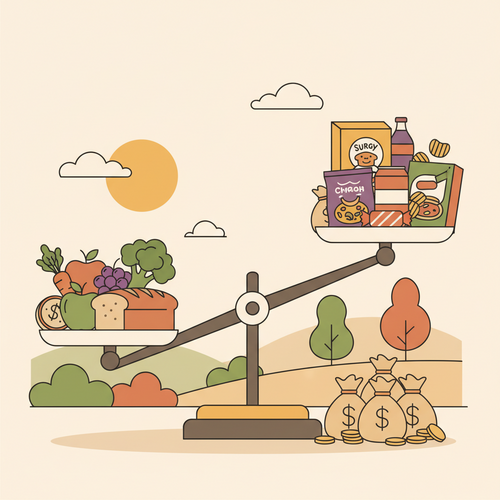
Understanding the real cost of healthy eating versus processed foods is crucial for anyone managing a budget, especially beginner investors. Many people mistakenly believe that eating healthily is an expensive endeavor, a luxury reserved for the affluent. However, a deeper look reveals that highly processed foods often carry hidden costs, impacting both our wallets and our well-being. This article will provide a comprehensive budget breakdown, illuminating how mindful food choices can actually save you money in the long run and represent a significant investment in your personal health and financial future.
The Deceptive Appeal of Processed Foods
Initially, processed foods appear to be the more economical choice. Their low price tags and convenience are certainly appealing. Furthermore, they require minimal preparation, fitting seamlessly into busy modern lifestyles. Think about instant meals, sugary cereals, or ready-to-eat snacks. Consequently, these items frequently fill grocery carts across the globe.
Hidden Financial Burdens
However, the apparent savings are often an illusion. Specifically, processed foods are typically less satiating. Therefore, people tend to consume larger quantities. This means you buy more frequent packages, increasing your overall expenditure. For instance, a small bag of chips might seem cheap, but you often need several to feel full. Similarly, the nutrient density is low. They provide “empty calories” without essential vitamins and minerals. Consequently, your body remains hungry for actual nutrition.
In addition, there are significant indirect financial burdens. A diet rich in processed foods correlates with higher rates of chronic diseases. These include diabetes, heart disease, and obesity. Such conditions lead to substantial healthcare costs. This involves doctor visits, medications, and potential hospital stays. Therefore, what you save at the grocery store, you might pay tenfold in medical bills later. Indeed, investing in your health through diet now can prevent costly health crises later. Lost productivity due to illness also impacts earnings. Therefore, the long-term financial consequences are undeniable.
The True Value of Healthy Eating
Conversely, healthy eating, while sometimes requiring a slightly higher upfront investment for certain items, offers substantial long-term returns. Think of it as investing in a high-yield, low-risk fund: your body. A whole-food diet contributes directly to better physical and mental health. This, in turn, reduces your susceptibility to chronic ailments. Consequently, you save on future medical expenses.
Direct Financial Savings and Smart Strategies
Specifically, purchasing whole ingredients like fruits, vegetables, whole grains, and lean proteins can be incredibly cost-effective. Buying in bulk, for instance, can significantly reduce the unit price. Consider dried beans, rice, and oats. These items offer excellent nutritional value at a fraction of the cost of their processed counterparts. Furthermore, seasonal produce is often cheaper and tastier. Therefore, planning meals around what is in season helps manage costs. You can find more financial planning tips at Bloomberg.com.
In addition, cooking at home is perhaps the most powerful tool for budget-friendly healthy eating. Preparing meals yourself allows you complete control over ingredients. It also eliminates the markup associated with restaurant or pre-made foods. Batch cooking, where you prepare large quantities of food once or twice a week, saves time and money. This ensures you have healthy options readily available. Thus, it reduces the temptation to grab expensive, unhealthy convenience meals. Moreover, mastering basic cooking skills is an invaluable asset. It allows for greater culinary flexibility and efficiency.
Long-Term Health as an Investment
From an investor’s perspective, prioritizing nutrition is a strategic asset allocation. Just as you diversify your financial portfolio, you diversify your dietary intake for optimal performance. A healthy body means more energy. More energy translates to increased productivity, both at work and in daily life. Consequently, this can positively impact your earning potential. Furthermore, a strong immune system reduces sick days. This prevents lost wages. Indeed, good health is foundational for achieving any long-term financial goals. You can learn more about investing in yourself from sources like Investopedia.com.
A Budget Breakdown: Healthy vs. Processed
Let’s consider a hypothetical week for an individual. We will compare grocery expenses and potential future costs for two distinct dietary approaches.
Scenario 1: Processed Food Diet
- Breakfast: Sugary cereal, pre-packaged pastries.
- Lunch: Frozen microwave meal, fast-food burger.
- Dinner: Take-out pizza, instant noodles.
- Snacks: Chips, cookies, soda.
- Estimated Weekly Grocery Spend: $100-$150 (often more due to frequent impulse buys and lack of satiety).
- Hidden Costs: Increased risk of type 2 diabetes, high blood pressure, and obesity. Potential future medical expenses could range from hundreds to thousands of dollars annually. Lost productivity due to low energy and frequent illness.
Scenario 2: Healthy Eating Diet
- Breakfast: Oatmeal with fruit and nuts, scrambled eggs with vegetables.
- Lunch: Homemade whole-wheat sandwich, lentil soup, salad with grilled chicken.
- Dinner: Baked salmon with roasted vegetables, homemade chili with whole-grain rice.
- Snacks: Apples, carrots, yogurt, nuts.
- Estimated Weekly Grocery Spend: $80-$120 (with smart shopping and meal prep).
- Long-Term Returns: Reduced risk of chronic diseases, increased energy, improved mood, better cognitive function. Significant savings on future medical bills. Enhanced quality of life. Learn about broader economic impacts on WSJ.com.
Comparing these scenarios, the healthy eating option frequently presents a lower weekly grocery bill. More importantly, it offers immense savings in terms of averted healthcare costs and enhanced life quality. Therefore, making informed food choices directly impacts your financial resilience. Indeed, the upfront investment in whole foods yields remarkable dividends.
Strategies for Budget-Friendly Healthy Eating
Implementing a healthy diet on a budget requires intentional planning and smart shopping. Here are actionable strategies:
1. Master Meal Planning
- Create a weekly meal plan before shopping.
- Develop a detailed grocery list based on your plan.
- Stick to your list rigorously to avoid impulse purchases.
- Plan for leftovers to become future meals, maximizing ingredients.
2. Shop Smart
- Compare prices: Check unit prices, not just sticker prices.
- Buy in season: Seasonal produce is generally cheaper and fresher.
- Utilize sales and coupons effectively.
- Consider generic or store brands for pantry staples. They often provide comparable quality.
- Visit farmers’ markets towards the end of the day for potential discounts.
3. Cook at Home
- Dedicate time to batch cooking. Prepare large portions of grains, proteins, and chopped vegetables.
- Learn basic cooking techniques. Simple preparation methods make healthy eating accessible.
- Explore diverse recipes. This keeps meals interesting and prevents dietary boredom.
4. Reduce Food Waste
- Store food properly to extend its shelf life.
- Get creative with leftovers; transform them into new dishes.
- Compost scraps if possible, reducing waste and contributing to environmental health.
5. Grow Your Own (Even Small Scale)
- Consider a small herb garden or a few vegetable plants. This provides fresh produce at minimal cost.
- It also connects you with your food source. Learn more about personal finance on Forbes.com.
Furthermore, reading food labels carefully is essential. Do not be swayed by “health halos” or misleading marketing terms. Focus on the ingredient list and nutritional facts. Specifically, look for minimal ingredients and low levels of added sugars, sodium, and unhealthy fats. Conversely, prioritize fiber, vitamins, and protein. This diligent approach ensures you are getting true value for your money. For example, a “natural” snack might still be high in sugar. Therefore, critical evaluation is key.
Connecting to Beginner Investors
For beginner investors, the parallels between financial investing and dietary choices are striking. Both require foresight, discipline, and a focus on long-term returns over immediate gratification. Just as you invest in diverse assets to build wealth, you invest in a diverse, whole-food diet to build health. The principles are remarkably similar. You research, you plan, and you execute for future benefit. Moreover, developing strong budgeting habits for food translates directly into better financial management skills. It teaches you to track expenses, make informed decisions, and prioritize long-term gains. Learn more about financial prudence at Fidelity.com.
Indeed, a healthy body is your most valuable asset. It underpins your ability to work, learn, and enjoy life. Therefore, neglecting your health for the sake of seemingly cheaper, processed foods is akin to undermining your financial foundation. It is a high-risk, low-reward strategy with significant potential for future liabilities. Consequently, smart food choices are not just about nutrition; they are about holistic financial wellness. They empower you to live a more fulfilling and economically secure life. Thus, consider your plate another portfolio, carefully curated for maximum returns.
Conclusion
In conclusion, the notion that healthy eating is inherently more expensive than a diet of processed foods is largely a myth. While processed foods offer immediate convenience and lower upfront costs, their long-term financial and health consequences are substantial. Conversely, investing in whole, unprocessed foods, combined with smart shopping and home cooking, provides significant direct savings and invaluable returns in the form of improved health, reduced healthcare expenses, and enhanced productivity. For beginner investors, understanding this budget breakdown underscores a fundamental principle: prudent investment in all areas of life, including diet, yields the most sustainable and rewarding outcomes. Make the conscious choice to invest in your health today, and reap the benefits for years to come.