Introduction
Prioritizing mental health is fundamental for a fulfilling life. However, navigating the associated financial landscape can be daunting. Many individuals struggle with the costs of care. Understanding how to manage these expenses is crucial.
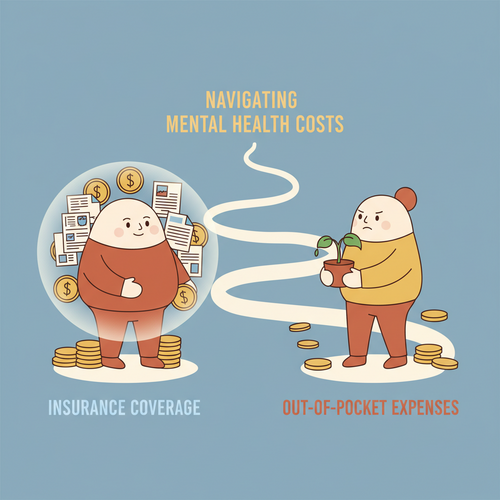
This article explores the financial aspects of mental health treatment. We will compare insurance coverage benefits against out-of-pocket costs. Our goal is to empower you with knowledge. You can then make informed decisions about your well-being.
Understanding the Landscape of Mental Health Costs
Mental health challenges affect millions globally. Seeking help is a brave and necessary step. Yet, the financial implications often present a significant barrier. It is vital to recognize these potential costs early on.
The High Price of Unaddressed Mental Health
Ignoring mental health issues carries its own hidden costs. Untreated conditions can impact many areas of life. This includes reduced productivity at work. Relationships may suffer. Physical health can also decline significantly.
Over time, these impacts create a substantial financial burden. Lost income, increased physical health care needs, and even legal issues can arise. Addressing mental health proactively saves money in the long run. It also vastly improves quality of life.
Components of Mental Health Care Costs
Mental health treatment encompasses various services. Each service comes with a different price tag. Understanding these components helps in planning. It allows you to anticipate potential expenses.
- Therapy Sessions: Individual, group, or family therapy are common. Fees vary widely based on the therapist’s experience. Location and session length also play a role.
- Medication: Psychiatric medications can be a recurring cost. Prices depend on the drug type and whether a generic is available. Insurance coverage varies for prescriptions.
- Psychiatric Evaluations: A psychiatrist performs these initial assessments. They diagnose conditions and prescribe medication. These evaluations are often more expensive than therapy sessions.
- Hospitalization: Inpatient or outpatient programs offer intensive care. These are usually for severe conditions. Costs for hospitalization can be extremely high.
- Support Groups: Many support groups are free or low-cost. However, some specialized groups may have fees.
Insurance Coverage: A Deeper Dive
For many, health insurance is the primary way to manage costs. Understanding your policy’s mental health benefits is essential. This knowledge helps prevent unexpected financial shocks.
Parity Laws and What They Mean for You
The Mental Health Parity and Addiction Equity Act (MHPAEA) is a key piece of legislation. It requires most health plans to offer mental health benefits. These benefits must be comparable to medical and surgical benefits. This means no higher co-pays or stricter limits for mental health care.
Despite parity laws, challenges remain. Some plans may have loopholes. It is crucial to review your specific policy documents carefully. Always ask your insurer direct questions. This ensures you understand your coverage thoroughly. You can learn more about MHPAEA at SAMHSA.
Types of Insurance Plans and Mental Health Benefits
Different insurance plans offer varying levels of coverage. Familiarize yourself with the common types. This helps you choose the best option for your needs.
- Employer-Sponsored Plans: Many people receive health insurance through their job. These plans typically offer comprehensive mental health benefits. Coverage details vary by employer and plan selection.
- Affordable Care Act (ACA) Marketplace Plans: The ACA mandated that mental health services are essential health benefits. This includes psychotherapy and counseling. All plans offered through the ACA marketplace must cover these services. Visit HealthCare.gov for more information.
- Medicaid and Medicare: These government programs provide coverage for eligible individuals. Medicaid offers extensive mental health services. Medicare Part B covers outpatient mental health care.
- HMOs, PPOs, and POS Plans:
- HMO (Health Maintenance Organization): Generally lower premiums. Requires a primary care physician referral. You must use in-network providers.
- PPO (Preferred Provider Organization): More flexibility. You can see out-of-network providers for a higher cost. No referral is usually needed.
- POS (Point of Service): A hybrid of HMO and PPO. You need a referral to see specialists. You can also use out-of-network providers for a higher fee.
Navigating In-Network vs. Out-of-Network Providers
The choice between in-network and out-of-network providers significantly impacts costs. Your insurance company has negotiated rates with in-network providers. This leads to lower out-of-pocket expenses for you.
Out-of-network providers do not have these agreements. You will typically pay a higher percentage of the cost. Sometimes, you may pay the full bill upfront. Your insurance might then reimburse a portion. Always verify a provider’s network status. Do this before your first appointment.
Understanding terms like deductibles, co-pays, and co-insurance is also vital. A deductible is the amount you pay before your insurance starts covering costs. Co-pays are fixed amounts you pay for each service. Co-insurance is a percentage of the cost you pay after meeting your deductible.
Out-of-Pocket Expenses: When Insurance Falls Short
Even with insurance, you may face significant out-of-pocket costs. These can include deductibles, co-pays, and services not fully covered. Planning for these expenses is a smart financial move.
Calculating Your Potential Out-of-Pocket Costs
It is wise to estimate your potential expenses. Therapy sessions often range from $75 to $200 per hour. Without insurance, these costs add up quickly. A weekly session could cost $300 to $800 per month.
Medication costs also vary. A generic antidepressant might be $10-50 per month. A brand-name drug could easily exceed $100. Emergency psychiatric care can be thousands of dollars. Always check your insurance policy’s “Explanation of Benefits.”
Strategies to Reduce Out-of-Pocket Burden
Fortunately, several options exist to lessen the financial load. These strategies can make mental health care more accessible. Explore these avenues to find suitable support.
- Sliding Scale Fees: Many therapists offer fees based on your income. Do not hesitate to ask about this option. It makes therapy more affordable for those with limited budgets.
- Community Mental Health Centers: These centers often provide low-cost services. They are funded by state or federal programs. They aim to serve individuals regardless of their ability to pay.
- Non-Profit Organizations: Various non-profits offer free or reduced-cost mental health support. Organizations like NAMI (National Alliance on Mental Illness) are great resources. They provide information and connections to care.
- University Clinics: Training programs at universities often have clinics. Graduate students, under supervision, provide therapy at lower rates. This offers quality care at a reduced price.
- Health Savings Accounts (HSAs) and Flexible Spending Accounts (FSAs): These accounts allow you to set aside pre-tax money. You can use these funds for qualified medical expenses. This includes mental health care. Using HSAs or FSAs can significantly reduce your tax burden. For more details on HSAs, you can check resources like IRS Publication 969.
- Telehealth Options: Online therapy platforms can sometimes be more affordable. They reduce overhead costs for providers. Telehealth also offers convenience and accessibility.
Making Informed Decisions for Your Mental Well-being
Proactive planning is your best defense against high costs. Being an informed consumer is powerful. It allows you to advocate for your care and your finances.
Asking the Right Questions Before Committing to Care
Before beginning treatment, clarify all financial aspects. Transparency is key. Here are some essential questions to ask:
- To Your Insurance Provider:
- What are my specific mental health benefits?
- What is my deductible, co-pay, and co-insurance for mental health services?
- Do I need a referral for therapy or psychiatry?
- Are there any limits on the number of sessions?
- Which mental health professionals are in-network?
- To Mental Health Professionals:
- What is your fee per session?
- Do you offer a sliding scale?
- Do you bill insurance directly, or do I pay upfront?
- What is your policy for missed appointments?
Long-Term Financial Planning for Mental Health
Integrate mental health costs into your overall financial strategy. Just as you save for retirement, plan for health expenses. Building a robust emergency fund is crucial. This fund can cover unexpected medical or mental health costs. Aim for three to six months of living expenses. This provides a safety net during challenging times.
Consider dedicating a portion of your budget specifically to wellness. This includes preventative mental health care. Regular check-ups and therapy can prevent more severe, costlier issues later on. Think of it as an investment in your long-term health and financial stability.
Conclusion
The journey to mental well-being should not be hindered by financial worries. Understanding the Financial Cost of Mental Health Care is your first step. Whether through robust insurance coverage or strategic out-of-pocket planning, options are available.
By leveraging parity laws, exploring different plan types, and utilizing cost-saving strategies, you can manage expenses. Prioritizing your mental health is an invaluable investment. It yields profound returns in all aspects of your life. Empower yourself with knowledge. Seek the care you need and deserve.