Executive Summary
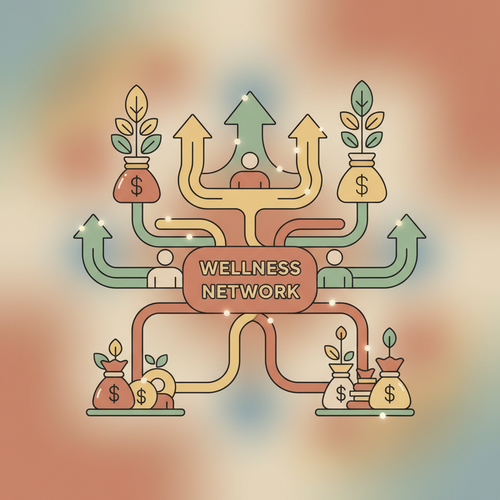
- Corporate wellness infrastructure functions as a highly strategic, quantifiable investment in long-term human capital longevity.
- Predictive health analytics and ergonomic protocols systematically mitigate massive, long-tail institutional healthcare liabilities.
- Proactive human capital stewardship mathematically drives sustained fiscal performance and exponential shareholder value creation.
The Fiduciary Imperative of Human Capital Stewardship
Companies increasingly recognize human capital as their most paramount, foundational asset. Consequently, effective stewardship directly dictates long-term organizational health. Investing in employee well-being shifts rapidly from a mere perk to a strict fiscal imperative. Therefore, this proactive strategy aggressively mitigates devastating operational risks. Furthermore, it permanently bolsters global corporate competitive advantage.
Optimizing human capital longevity undeniably requires a highly holistic, systemic approach. Specifically, it extends far beyond traditional, reactionary corporate benefits packages. Indeed, it encompasses creating an environment that strictly forces sustained productivity. This proactive stance reduces long-term corporate healthcare expenditures significantly. Ultimately, it stabilizes critical talent pools and ensures absolute institutional knowledge retention.
Quantifying the Return on Investment (ROI)
The Return on Investment (ROI) from wellness programs remains demonstrably, mathematically quantifiable. For instance, enhanced daily productivity metrics reveal direct, massive financial gains. Moreover, radically reduced absenteeism and presenteeism contribute substantially to core operating margins. These specific improvements translate directly into tangible, sustainable organizational prosperity.
Thus, strict fiscal prudence dictates meticulous wellness program design and execution. Executives must ensure maximum, measurable impact across all operational business units. Additionally, a robust wellness infrastructure dramatically enhances elite talent acquisition efforts. Top-tier candidates exclusively seek organizations prioritizing comprehensive employee well-being. Consequently, this unique differentiator commands immense leverage in a hyper-competitive global labor market.
Architecting a Robust Corporate Wellness Ecosystem
A highly comprehensive corporate wellness ecosystem integrates multiple, deeply interconnected facets. Namely, it addresses physical, mental, and financial well-being concurrently. This integrated infrastructure supports elite employees across their entire professional career lifecycle. Consequently, it actively fosters a pervasive, institutional culture of sustained high performance.
Key components essentially include rigorous preventative health screenings globally. Additionally, tailored chronic disease management programs are absolutely vital for cost containment. Mental health services, such as highly accessible clinical counseling, demand immediate institutional funding. Furthermore, advanced financial literacy programs play a crucial role in reducing employee stress. These resources collectively empower employees to maximize their personal operational stability.
Digital Health Platforms and Wearable Integration
Scalable digital health platforms provide highly efficient, accessible corporate solutions. Specifically, they offer meticulously personalized wellness journeys for all executives. Moreover, they facilitate rigorous, continuous physiological progress tracking locally. Wearable technology integration can further personalize these highly individual health interventions dynamically.
However, strict data privacy and robust cybersecurity remain absolute paramount considerations. Secure, mathematically encrypted systems build essential employee trust incredibly rapidly. Without absolute trust, program participation rates plummet instantly to zero. Therefore, executives must deploy enterprise-grade encryption for all integrated health platforms. This guarantees strict compliance and simultaneously maximizes ongoing workforce engagement.
Leveraging Predictive Analytics in Health Interventions
Predictive analytics fundamentally transforms traditional corporate wellness paradigms. Specifically, it shifts executive focus directly from reactive care to proactive intervention. Data-driven insights precisely identify highly at-risk employee populations almost instantly. Consequently, this enables targeted, surgical support strategies before health issues escalate. Actuarial science critically underpins these highly sophisticated, predictive modeling approaches.
Analyzing aggregate corporate health data reveals highly critical behavioral trends. For example, it pinpoints the exact mathematical drivers of future healthcare expenditures. This strategic intelligence informs highly precise, data-driven resource allocation decisions. Therefore, it ensures programmatic efficacy and maximizes strict capital budget utilization. Indeed, behavioral economics principles significantly guide highly effective engagement strategies globally.
Early Intervention and Corporate Liability Mitigation
Early clinical intervention dramatically improves long-term corporate health outcomes. Furthermore, it mathematically reduces compounding institutional healthcare costs over time. For instance, identifying employees with pre-diabetic indicators allows for immediate lifestyle coaching. This highly proactive approach prevents deadly progression to severe, expensive chronic conditions.
Consequently, it effectively reduces long-term pharmacological treatment burdens entirely. Such strategic foresight significantly enhances overall workforce stability predictably. It also massively reduces long-tail institutional medical liabilities for the enterprise. Integrating diverse, anonymized data sources remains the absolute key to success. Advanced algorithms process these complex inputs to forecast exact future health risks.
Ergonomics and Psychological Safety Optimization
Ergonomic design profoundly minimizes dangerous physical strain in the corporate workplace. Specifically, it significantly enhances comfort and demonstrably reduces catastrophic workplace injuries. Proper workstation setup represents a fundamental, non-negotiable infrastructural component. This strategic investment actively prevents devastating musculoskeletal disorders entirely. Ultimately, it preserves peak physical executive performance for decades.
Implementing ergonomic best practices drastically reduces worker compensation claims. Therefore, it mathematically lowers catastrophic, long-term corporate disability costs. Healthy physical environments lead directly to sustained, unbroken employee focus. Moreover, they relentlessly mitigate fatigue and improve overall aggregate well-being. Regular, mandated ergonomic assessments remain a crucial, legally defensible preventative measure.
Cultivating High-Performance Psychological Safety
Psychological safety is equally critical for enduring human capital longevity. Indeed, it guarantees employees feel entirely safe to voice critical operational concerns. This specific environment fosters rapid innovation and highly constructive feedback mechanisms. A culture of absolute trust systematically destroys institutional stress and anxiety. Consequently, this supportive atmosphere directly impacts elite decision-making quality.
Promoting psychological safety requires strong, highly visible executive leadership commitment. For instance, training managers in empathetic, clinical conflict resolution is absolutely essential. Actively addressing acute workplace stressors creates a highly resilient, formidable workforce. Thus, it radically reduces involuntary employee turnover rates globally. This cultivates deeply sustained corporate engagement, relentless innovation, and absolute loyalty.
Fiscal Impact and Shareholder Value Creation
A robust wellness infrastructure directly impacts core organizational fiscal health. Specifically, it drives massive cost reductions in aggregate healthcare expenditures continuously. Reduced absenteeism demonstrably boosts overall organizational productivity and output. Consequently, this directly translates into vastly higher corporate revenue potential.
Enhanced talent retention represents another massive, highly quantifiable financial benefit. High attrition rates incur catastrophic, unrecoverable recruitment and onboarding costs. A supportive, health-focused environment measurably improves global job satisfaction metrics. Therefore, this critically decreases highly expensive, voluntary employee turnover. Ultimately, it preserves invaluable institutional knowledge and maintains elite team cohesion.
ESG Metrics and Total Compensation Architecture
Long-term value creation remains a core objective for forward-thinking enterprises. Investors increasingly scrutinize Environmental, Social, and Governance (ESG) performance metrics. Strong social capital definitively signals highly responsible, elite corporate governance. This specific commitment readily attracts massive ethical capital deployments. Thus, shareholder value is intrinsically, mathematically linked to human capital vitality.
Furthermore, sophisticated wellness programs heavily influence total compensation strategies. A comprehensive benefits package enhances perceived executive value dramatically. This easily attracts and retains highly competitive, high-caliber professionals globally. Moreover, it significantly reduces the desperate need for constant salary renegotiations. Market perception universally favors organizations demonstrating genuine, audited employee care.
| Infrastructure Metric | Corporate Health Implication | Fiscal Yield Trajectory |
|---|---|---|
| Absenteeism Rate | Significantly reduced by proactive clinical interventions. | Minimized temporary staffing costs and unbroken continuity. |
| Presenteeism Index | Substantially improved via targeted mental health support. | Enhanced decision-making, fewer errors, and maximized innovation. |
| Healthcare Claims | Decreased through actuarial risk reduction protocols. | Direct cost savings on optimized corporate pharmacy spend. |
| Employee Turnover | Lowered by elite engagement and supportive corporate culture. | Elimination of catastrophic recruitment and retraining expenditures. |
Compliance, Data Governance, and Ethical Frameworks
Designing elite wellness programs demands strict, uncompromising adherence to regulatory compliance. Data privacy laws, such as global GDPR and domestic HIPAA, are absolutely critical. Ethical considerations must meticulously guide all corporate data collection practices. Furthermore, absolute transparency in data handling builds indispensable, foundational institutional trust.
Non-discrimination principles must be deeply embedded within every programmatic design. Specifically, wellness initiatives should be genuinely, equally accessible to all employees. They must scrupulously avoid penalizing individuals for pre-existing genetic conditions. Fair, highly equitable access ensures broad, statistically significant participation rates. Consequently, it upholds rigorous corporate fiduciary responsibility standards completely.
Legal Counsel and Cybersecurity Audits
Retaining specialized corporate legal counsel is absolutely indispensable for ongoing operations. This strictly ensures absolute alignment with rapidly evolving federal employment laws. This proactive legal measure completely prevents potential litigation and massive financial penalties. Therefore, it critically safeguards the organization’s reputation and sovereign financial standing. Maintaining unwavering ethical integrity remains paramount for long-term viability.
Furthermore, crystal-clear consent protocols are essential for any biometric data collection. Employees must completely understand exactly what physiological data is captured. Robust data anonymization and algorithmic aggregation are absolute standard best practices. These strict measures protect individual privacy flawlessly. Simultaneously, they allow for highly valuable, population-level actuarial insights.
Future-Proofing Workforce Resilience and Macroeconomic Agility
Extreme global market volatility necessitates a highly resilient, battle-tested corporate workforce. Proactive health strategies fundamentally build this essential capacity within an enterprise. Specifically, they equip employees to navigate immense stress and embrace structural change. This massively strengthens overall organizational adaptability to sudden macroeconomic shifts.
Investing in human capital longevity is a critical asset protection measure. Indeed, it ensures that vital, unreplicable skills remain within the corporate core. This effectively mitigates severe risks associated with an aging, depreciating workforce. Moreover, it proactively addresses catastrophic potential skill gaps simultaneously. Workforce demographic shifts demand highly aggressive, forward-looking health planning protocols.
Cultivating a High-Performance Corporate Culture
A scientifically future-proofed workforce is inherently more agile and vastly more productive. Consequently, it drives sustained innovation and effortlessly maintains global market leadership. Organizations that prioritize comprehensive employee well-being gain a distinct, mathematical competitive edge. They consistently attract top-tier executive talent from a massive global pool.
Furthermore, they successfully retain highly experienced, elite professionals indefinitely. This completely eliminates highly costly, highly disruptive executive churn entirely. Ultimately, this creates a deeply virtuous, compounding cycle of talent and performance. Continuous learning must seamlessly integrate with these core wellness initiatives. A healthy corporate mind is dramatically more receptive to highly complex skill acquisition.
Conclusion
Corporate wellness infrastructure is absolutely no longer a discretionary, ancillary benefit. Rather, it is a highly rigorous, core strategic imperative for modern global enterprises. It directly, mathematically impacts human capital longevity and enhances systemic enterprise resilience. Proactive, data-driven investments in employee well-being yield massive, undeniable fiscal returns. Furthermore, they demonstrably enhance long-term, compounding shareholder value exponentially. Prioritizing employee health fosters a completely sustainable competitive advantage in ruthless global markets. How will your organization restructure its wellness architecture to maximize human capital ROI this fiscal year?