Introduction
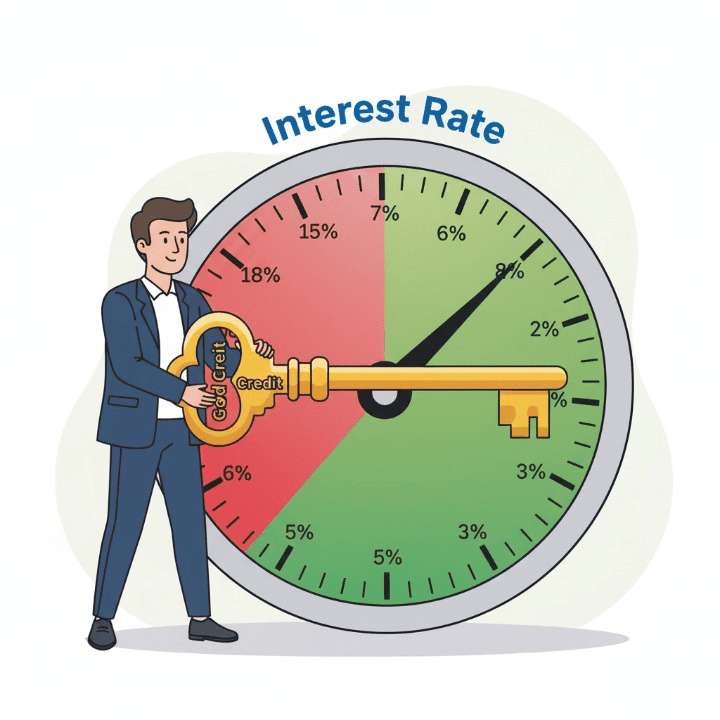
While it’s true that broad economic forces influence general interest rate trends, the specific interest rate you are offered on a loan is deeply personal. It’s a number that reflects a lender’s confidence in your ability to repay your debts. Many people passively accept the rate they are given, believing it is out of their control. However, the truth is that you have significant power to influence this number. By taking proactive steps to improve your overall financial health, you can transform yourself into a more attractive borrower. This puts you in the driver’s seat, allowing you to qualify for a lower interest rate on all forms of financing, from a mortgage to a new credit card. This guide will provide you with an actionable roadmap to strengthening your borrower profile and saving thousands of dollars in the long run.
The Single Most Important Factor: Your Credit Score
When a lender evaluates your application for financing, your credit score is the first and most important piece of information they consider. It is a numerical summary of your credit history, designed to quickly tell lenders how risky it is to lend you money. A higher score indicates lower risk, and lenders reward low-risk borrowers with their best terms, including a lower interest rate.
To improve your score, you first need to understand what goes into it. While the exact formulas are secret, the key components are well-known:
- Payment History (35% of your score): This is the most significant factor. A consistent history of paying your bills on time, every time, is non-negotiable for a good score.
- Credit Utilization (30%): This measures how much of your available credit you are using, especially on your credit card accounts. Keeping this ratio low is crucial.
- Length of Credit History (15%): A longer history of responsible credit management is beneficial.
- Credit Mix (10%): Lenders like to see that you can responsibly manage different types of credit (e.g., both revolving credit like a credit card and installment loans).
- New Credit (10%): Opening many new accounts in a short period can be a red flag.
Understanding these components shows that your credit score is not a fixed number, but a dynamic reflection of your financial habits.
Actionable Steps to Improve Your Credit
Knowing what makes up your score is one thing; improving it is another. Here are the most effective, practical steps you can take to boost your credit and, as a result, qualify for a lower interest rate.
- Pay Every Single Bill on Time: Even one late payment can have a significant negative impact on your score. Set up automatic payments for at least the minimum amount due on all your accounts to ensure you are never late.
- Aggressively Lower Your Credit Utilization: This is the fastest way to see a noticeable improvement in your score. Your goal should be to keep your credit card balances below 30% of your total credit limit. For example, if you have a $10,000 credit limit, you should aim to keep your balance below $3,000. Focus on paying down your existing balances as quickly as possible.
- Don’t Close Old Accounts: It can be tempting to close a credit card account you no longer use. However, this can hurt your score by shortening the average age of your credit history and increasing your overall credit utilization ratio. It’s often better to keep the account open and use it for a small, recurring purchase once in a while.
- Check Your Reports for Errors: You are entitled to a free credit report from each of the three major bureaus annually. Review these reports carefully. If you find any errors, such as an account that isn’t yours or an incorrect late payment, dispute them immediately.
Beyond the Score: Your Debt-to-Income (DTI) Ratio
Lenders look at more than just your credit score; they also want to ensure you can comfortably handle a new monthly payment. To do this, they calculate your debt-to-income (DTI) ratio. This is the percentage of your gross monthly income that goes toward paying your monthly debt obligations.
For example, if your monthly income is $5,000 and your total monthly debt payments (mortgage, car loan, credit card minimums) are $1,500, your DTI is 30% ($1,500 / $5,000). Most lenders prefer a DTI below 43%. You can improve your DTI by either increasing your income or, more directly, by paying down your existing debts. This is another area where your overall financial health matters. Even your insurance premiums, while not a debt, contribute to your monthly fixed expenses. Shopping around for better rates on auto or home insurance can free up cash flow and indirectly improve your financial profile.
The Power of a Down Payment and Loan Term
When you apply for secured financing, like an auto loan or a mortgage, two other factors can influence the interest rate you are offered.
- A Larger Down Payment: When you provide a larger down payment, you are borrowing less money and have more of your own equity in the asset from the start. This reduces the lender’s risk. To reward this, they will often offer you a better interest rate.
- A Shorter Loan Term: A shorter-term loan, such as a 4-year car loan instead of a 6-year one, is also less risky for the lender. These loans typically come with a lower interest rate compared to their longer-term counterparts. While the monthly payment will be higher, you will pay significantly less in total interest
Don’t Be Afraid to Negotiate and Shop Around
Finally, remember that you are the customer. For certain types of credit, you have the power to negotiate. If you have a credit card and have been a responsible customer with a good payment history, you can call your issuer and ask for a lower interest rate. They may not always agree, but it is often successful, especially if you can point to your improved credit score.
For larger financing, such as a mortgage or auto loan, never accept the first offer you receive. Get pre-approved quotes from multiple lenders, including national banks, local credit unions, and online lenders. This allows you to compare offers and leverage them against each other to secure the best possible interest rate.
Conclusion
The interest rate you pay is a direct reflection of your financial health. You are not simply a passive recipient of the rates lenders offer; you are an active participant in determining them. By taking deliberate steps to improve your credit score, manage your debt-to-income ratio, and be a savvy shopper, you can significantly lower your borrowing costs. This not only saves you thousands of dollars over your lifetime but also reduces financial stress and builds a stronger foundation for your future. Unlocking a lower interest rate is one of the most tangible rewards for dedicated financial management.