Introduction
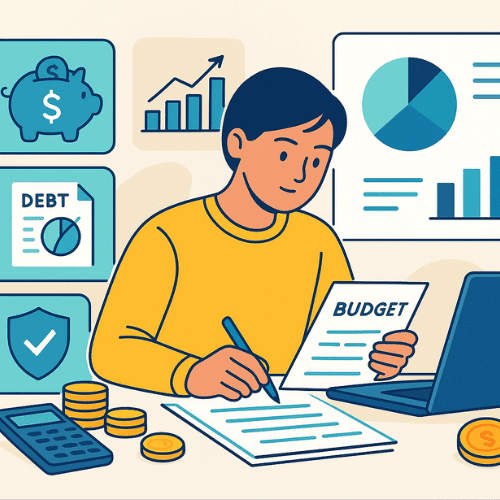
Personal finance is the cornerstone of financial stability and long-term wealth. While earning money is important, managing it effectively determines whether an individual can achieve their goals, whether it’s buying a home, funding education, or planning for retirement. Understanding personal finance strategies is not just about budgeting or saving; it encompasses a holistic approach to managing income, expenses, debt, investments, and risk.
Despite the abundance of financial advice available online, many people struggle to implement effective strategies. Common challenges include impulsive spending, lack of savings, and misunderstanding of investment options. However, with the right knowledge and tools, anyone can take control of their finances, make informed decisions, and create a path toward financial security.
This article explores in-depth strategies for personal finance, offering practical advice for budgeting, saving, debt management, investing, and long-term planning. Each section provides actionable insights designed to help readers optimize their financial health.
Understanding Your Financial Situation
Before implementing any strategy, it’s essential to assess your current financial situation. This involves:
-
Tracking Income and Expenses: Create a detailed record of monthly earnings and spending habits. Apps or spreadsheets can simplify this process and help identify unnecessary expenses.
-
Evaluating Net Worth: Subtract liabilities (debts, loans) from assets (savings, investments, property) to understand your financial standing.
-
Setting Financial Goals: Define short-term, medium-term, and long-term goals, such as creating an emergency fund, paying off debt, or investing for retirement.
Knowing where you stand financially provides a foundation for effective decision-making and strategy implementation.
Budgeting and Expense Management
A well-structured budget is the backbone of personal finance. It ensures that income is allocated wisely across needs, wants, and savings.
Key Steps for Effective Budgeting:
-
50/30/20 Rule: Allocate 50% of income to necessities, 30% to discretionary spending, and 20% to savings or debt repayment.
-
Automated Payments: Set up automatic transfers to savings or investment accounts to reduce the temptation of overspending.
-
Expense Review: Regularly evaluate spending patterns to identify areas for reduction, such as subscriptions, dining out, or impulse purchases.
-
Budget Adjustments: Modify budgets as income or financial goals change to maintain alignment with objectives.
A disciplined approach to budgeting provides clarity and control, enabling consistent progress toward financial goals.
Saving and Emergency Funds
Building savings is critical for financial security. Savings serve as a buffer against unexpected expenses, allowing individuals to navigate emergencies without incurring debt.
Key Strategies:
-
Emergency Fund: Maintain at least 3–6 months of living expenses in a high-yield savings account to cover unexpected events like job loss, medical bills, or urgent home repairs.
-
Automatic Savings: Set up automatic contributions to ensure consistency and reduce reliance on willpower.
-
Savings Goals: Designate funds for specific objectives such as vacations, education, or major purchases to maintain focus and motivation.
-
High-Yield Accounts: Utilize savings accounts or money market funds offering competitive interest rates to maximize returns while maintaining liquidity.
Effective savings habits provide both security and flexibility, allowing individuals to make strategic financial choices without unnecessary stress.
Debt Management
Managing debt is crucial for personal finance, as high-interest liabilities can hinder wealth-building efforts.
Strategies for Effective Debt Management:
-
Debt Prioritization: Focus on paying off high-interest debt first, such as credit cards, while maintaining minimum payments on other obligations.
-
Debt Consolidation: Consider combining multiple debts into a single loan with lower interest rates to simplify payments and reduce total interest.
-
Budget Allocation: Allocate a portion of monthly income specifically for debt repayment to accelerate the process.
-
Avoiding New Debt: Limit unnecessary borrowing and use credit responsibly, paying balances in full whenever possible.
A structured approach to debt management reduces financial stress and creates opportunities for saving and investing.
Investing for the Future
Investing is a vital component of personal finance, providing opportunities to grow wealth and achieve long-term goals.
Key Principles:
-
Diversification: Spread investments across stocks, bonds, real estate, and other assets to reduce risk.
-
Risk Assessment: Understand personal risk tolerance and invest accordingly, balancing potential returns with acceptable levels of risk.
-
Long-Term Perspective: Avoid reacting to short-term market fluctuations; consistent, long-term investment strategies tend to yield the best results.
-
Retirement Accounts: Contribute to retirement accounts like IRAs or 401(k)s, taking advantage of tax benefits and compound interest.
-
Regular Review: Periodically assess and adjust investment portfolios to ensure alignment with financial goals.
Investing wisely helps individuals leverage their resources to generate passive income and secure financial independence.
Insurance and Risk Management
Financial protection is an often-overlooked aspect of personal finance. Insurance mitigates the impact of unforeseen events, safeguarding wealth and stability.
Key Types of Insurance:
-
Health Insurance: Covers medical expenses and ensures access to healthcare without depleting savings.
-
Life Insurance: Protects dependents by providing financial support in case of unexpected loss.
-
Property and Home Insurance: Safeguards valuable assets from damage, theft, or natural disasters.
-
Disability Insurance: Provides income replacement if an individual cannot work due to illness or injury.
Incorporating insurance into personal finance strategies protects long-term goals and reduces financial vulnerability.
Financial Literacy and Continuous Learning
Personal finance is an evolving field, and staying informed is essential for making sound decisions.
-
Educational Resources: Take advantage of online courses, webinars, and financial blogs to enhance knowledge of budgeting, investing, and wealth management.
-
Financial Advisors: Consult certified financial planners for tailored advice based on individual goals and circumstances.
-
Peer Networks: Engage with communities focused on personal finance to exchange insights and strategies.
Continuous learning ensures that financial strategies remain effective, adaptable, and aligned with changing economic conditions.
Technology and Tools for Personal Finance
Leveraging technology simplifies financial management and provides actionable insights:
-
Budgeting Apps: Track income, expenses, and savings goals efficiently.
-
Investment Platforms: Access diversified investment options with low fees and user-friendly interfaces.
-
Digital Banking: Monitor accounts, automate transfers, and manage finances seamlessly from anywhere.
-
Analytics Tools: Evaluate spending patterns and forecast financial outcomes using AI-driven tools.
These tools empower individuals to make data-driven financial decisions, optimize resources, and improve long-term financial outcomes.
Conclusion
Mastering personal finance requires a comprehensive approach encompassing budgeting, saving, investing, debt management, insurance, and continuous learning. By understanding one’s financial situation, setting clear goals, and employing structured strategies, individuals can achieve financial stability, build wealth, and prepare for life’s uncertainties.
Effective personal finance strategies empower people to make informed decisions, reduce stress, and secure a prosperous future. Whether you are just beginning to manage your finances or seeking advanced wealth-building techniques, consistent effort and education are key to achieving long-term success.