Introduction
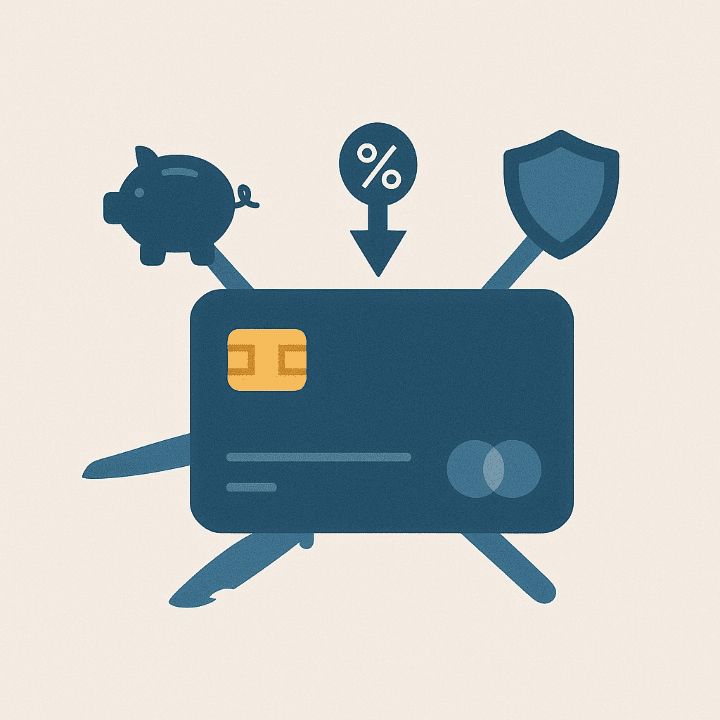
For most people, a credit card is simply a convenient piece of plastic used for making purchases. We swipe, tap, or enter the numbers online, pay the bill at the end of the month, and repeat the cycle. While this is its primary function, viewing a credit card as only a payment method means you could be missing out on a suite of powerful financial tools hidden within your wallet. As we plan for year-end expenses or set new financial goals for 2026, understanding how to leverage these features can save you money, provide protection, and even help you get out of debt. This guide goes beyond the basics to unlock three of the most valuable, yet often underutilized, aspects of a modern credit card: rewards programs, balance transfers as a form of low-interest financing, and the built-in insurance perks that offer a valuable safety net.
Unlocking Value: A Deep Dive into Rewards Programs
One of the most heavily advertised features of any credit card is its rewards program. These programs are designed to incentivize you to use your card, and when managed wisely, they can provide real financial value. The key is to choose a program that aligns with your spending habits and to never let the pursuit of rewards lead you into debt.
There are three main types of rewards:
- Cash Back: This is the most straightforward option. You earn a percentage of your spending back as a statement credit or a direct deposit. It’s simple, flexible, and easy to understand.
- Points: These programs offer points for every dollar you spend, which can then be redeemed for a variety of things, including travel, gift cards, or merchandise through the card issuer’s online portal. They offer more flexibility than miles but can be more complex.
- Travel Miles: Co-branded airline and hotel cards award miles or points that can be redeemed specifically for flights and hotel stays. These are most valuable for people who are loyal to a particular brand and travel frequently.
The golden rule of rewards is this: they are only a benefit if you pay your statement balance in full every single month. The interest rate on a credit card is always significantly higher than the value of any rewards you can earn. Carrying a balance just to earn a few extra points will always be a losing financial strategy.
The Balance Transfer: A Strategic Tool for Debt Management
Perhaps one of the most powerful features offered on many cards is the balance transfer. This is a strategic tool that can be used as a form of low-cost financing to help you pay off high-interest debt from other credit cards.
Here’s how it works: You apply for a new credit card that offers a 0% introductory APR on balance transfers for a specific period, often between 12 and 21 months. Once approved, you transfer your existing high-interest balance to this new card. During the promotional period, your entire payment goes toward reducing the principal of your debt, rather than being eaten up by interest charges. This can save you hundreds or even thousands of dollars and significantly shorten your debt repayment timeline.
However, there are crucial factors to consider:
- The Transfer Fee: Most cards charge a one-time fee of 3% to 5% of the amount you transfer. You must calculate if the interest savings will outweigh this initial fee.
- The Promotional Window: It is essential to have a plan to pay off the entire balance before the 0% APR period expires. Afterward, a much higher standard interest rate will apply to any remaining balance.
- The Impact on Your Credit: Applying for a new card will result in a hard inquiry on your credit report, which can temporarily lower your score. However, successfully paying off debt and lowering your overall credit utilization ratio will have a much more significant and positive long-term impact on your credit health.
Hidden Gems: The Built-in Insurance on Your Credit Card
Many cardholders are completely unaware that their credit card comes with a bundle of valuable insurance coverages, completely free of charge. These perks can save you money and provide peace of mind in a variety of situations. While the specifics vary greatly between cards (premium travel cards offer the most robust benefits), some common types of coverage include:
- Rental Car Insurance: Many cards offer a Collision Damage Waiver (CDW), which covers theft or damage to a rental vehicle. This allows you to confidently decline the expensive insurance offered at the rental car counter.
- Travel Insurance: This can be a broad category, including trip cancellation/interruption coverage, lost luggage reimbursement, and sometimes even emergency medical and dental health coverage when you are traveling.
- Purchase Protection: This may cover eligible new items purchased with your card against theft or accidental damage for a short period, typically 90 days.
- Extended Warranty: This benefit can automatically extend the manufacturer’s warranty on eligible products you buy with your card, often for an additional year.
To know what you have, you need to read your card’s “Guide to Benefits,” usually available online. Leveraging these perks can save you from having to buy separate policies for these specific situations.
Conclusion
Your credit card is far more than just a simple tool for making payments. It is a sophisticated financial product packed with features that can add value, offer protection, and help you achieve your financial goals. By looking beyond the basics, you can transform your relationship with your card. You can leverage rewards programs to supplement your budget, use a balance transfer as a strategic form of low-interest financing to conquer debt, and rely on built-in insurance perks to protect your purchases and your travels. The key to unlocking all this potential lies in responsible management: always paying your bill on time, avoiding the trap of high-interest debt, and understanding the specific benefits your card has to offer.