Introduction
Stepping into the world of personal finance often feels like learning a new language. A credit card is one of the first and most significant tools you will encounter. It represents a rite of passage for many people and is a symbol of financial independence. However, choosing your first credit card can be a daunting task. You likely receive countless offers in your mailbox and inbox. Each one promises unique rewards and benefits, making it hard to decide. The key is to look past the marketing and understand the mechanics. You need to know how these cards work. The interest rate is the most critical factor, especially for a beginner. Yet, other elements like fees, benefits, and the impact on your credit are just as important. This guide will help you understand these essential considerations. It will help you select a tool that builds your financial health instead of hindering it.
Why a Credit Card Is More Than Just Plastic
It’s crucial to understand the dual role a credit card plays in your financial life. First, it is a convenient payment tool. It lets you make purchases online and in stores without carrying cash. It also offers a level of fraud protection that cash and debit cards often cannot match. Second, it is a powerful credit-building instrument for your long-term financial future.
Financial institutions use your credit history to determine your reliability as a borrower. You demonstrate that you can manage debt effectively when you use a credit card responsibly. Making payments on time is key. Credit card companies report this activity to credit bureaus. The bureaus then compile this information into your credit report and calculate your credit score. A strong credit history opens doors. It leads to better terms on future financing, such as car loans and mortgages. On the other hand, a mismanaged credit card can quickly damage your credit. This makes it harder and more expensive to borrow money when you need it.
The Most Important Number: Understanding the Interest Rate (APR)
You should pay close attention to the Annual Percentage Rate (APR) when comparing credit cards. The APR is the interest rate for a whole year. This number represents what it costs to borrow money from the card issuer. If you carry a balance on your card from one month to the next, the issuer will charge you interest based on this rate.
For beginners, the concept of a grace period is vital. This is the time between the end of a billing cycle and your payment due date. You will not be charged any interest on your purchases if you pay your entire balance in full before the grace period ends. This is the ideal way to use a credit card. You should treat it as a convenient payment method, not a long-term loan.
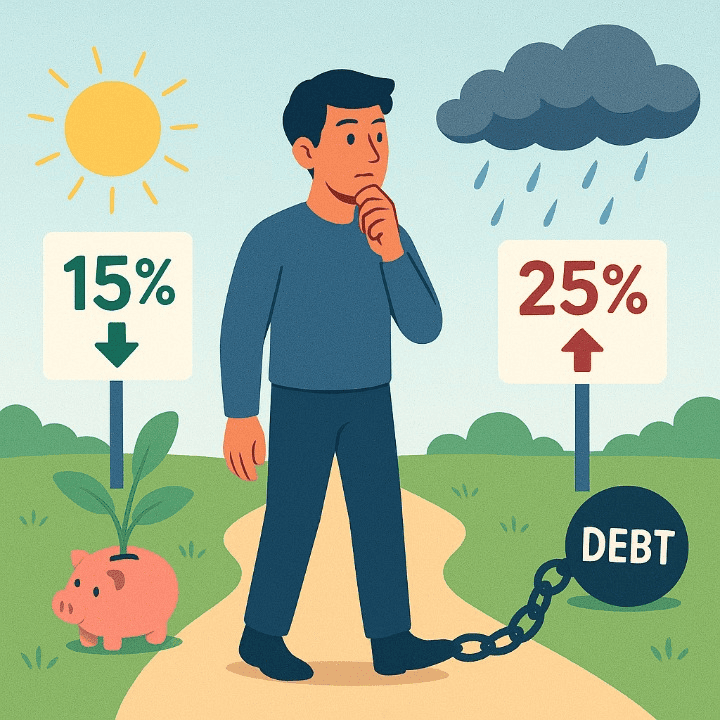
However, challenges can arise. If you only make the minimum payment, interest will change everything. The same happens if you make a partial payment. Your remaining balance will begin to accrue interest daily at the stated APR. Credit card interest rates are notoriously high. They are much higher than other forms of financing. Because the interest compounds, a small balance can quickly grow into a significant debt. This is why choosing a card with a lower interest rate is so important. It can provide a crucial safety net if you cannot pay the full balance during a particular month.
What’s Your Type? Common Kinds of Credit Cards
Not all credit cards are the same. Issuers design them to cater to different needs and financial situations. As a beginner, it’s helpful to know the main categories you’ll encounter.
- Standard Cards: People often call these “plain-vanilla” cards. They are straightforward products. They do not have complex rewards programs or high annual fees. Their main purpose is to provide a line of credit and help you build your credit history. They are an excellent starting point.
- Rewards Cards: These cards offer perks for spending. You might earn cash back, travel miles, or points. You can redeem points for gift cards or merchandise. These offers are enticing, but the cards sometimes have higher interest rates or annual fees. They are best for people who pay their balance in full each month. This practice ensures interest charges do not cancel out the rewards.
- Secured Cards: A secured card is a great way to start if you have no credit history or a poor one. You provide a refundable security deposit, such as $300. That amount typically becomes your credit limit. You use it like a regular credit card. Your responsible payment history is then reported to the credit bureaus. After a period of consistent payments, the issuer may upgrade you to an unsecured card. They will also refund your deposit.
- Student Cards: Companies design these cards for college students who are building credit. They often have lower credit limits. They may also offer small rewards tailored to student life.
You’ve Got the Card. Now What? Smart First Steps
Getting approved for your first credit card is an exciting milestone. Now, you can build smart habits from day one. Taking a few simple steps right away can set a positive tone for your entire financial future.
First, set up automatic payments. This is the easiest way to avoid late fees and protect your credit score. You will usually have two options: paying the minimum amount due or paying the full statement balance. Always choose to automate the full balance if possible. This reinforces the habit of not spending more than you can afford to repay.
Second, track your spending closely. Don’t wait for the paper statement to arrive in the mail. Log in to your online account or use the issuer’s mobile app every few days. Review your transactions to ensure they are accurate and to see where your money is going. This practice helps you stay within your budget and spot any fraudulent activity quickly.
Finally, understand the concept of credit utilization. This is the ratio of your outstanding balance to your total credit limit. For example, if you have a $200 balance on a card with a $1,000 limit, your utilization is 20%. Experts recommend keeping this ratio below 30% for a healthy credit score. Maxing out your card can be a red flag to lenders, even if you pay it off later.
Looking Beyond the Rate: Fees and Perks
A card’s interest rate is critical, but it’s not the only cost. You should always read the fine print for common fees.
- Annual Fee: Some cards charge a yearly fee just for keeping the account open. This is common for cards with premium rewards. As a beginner, starting with a no-annual-fee card is often a wise choice.
- Late Payment Fee: You will be charged a penalty fee if you miss your payment due date.
- Foreign Transaction Fee: Some cards charge a fee if you travel abroad or buy from international merchants. The fee is usually a percentage of the transaction amount (typically 1-3%).
On the flip side, many cards offer valuable built-in benefits. Many people overlook the perk of insurance. Some credit cards provide complimentary insurance coverage, such as:
- Travel Insurance: This can include coverage for rental car damage or lost luggage.
- Purchase Protection: This may cover new items against theft or damage for a short period.
- Extended Warranty: Some cards will extend the manufacturer’s warranty on eligible items.
Conclusion
Choosing your first credit card is a significant step in your financial journey. You can set yourself up for success by treating it as a deliberate decision. Prioritize understanding the interest rate. Commit to paying your balance in full each month to avoid costly debt. Evaluate the fees and weigh them against the benefits, like rewards or insurance perks. Make sure they align with your spending habits. A credit card is a tool. Like any tool, its value depends on how you use it. When you manage it with care and discipline, it can be instrumental in building a strong credit history. It can provide convenience and security while promoting your long-term financial health.