Introduction
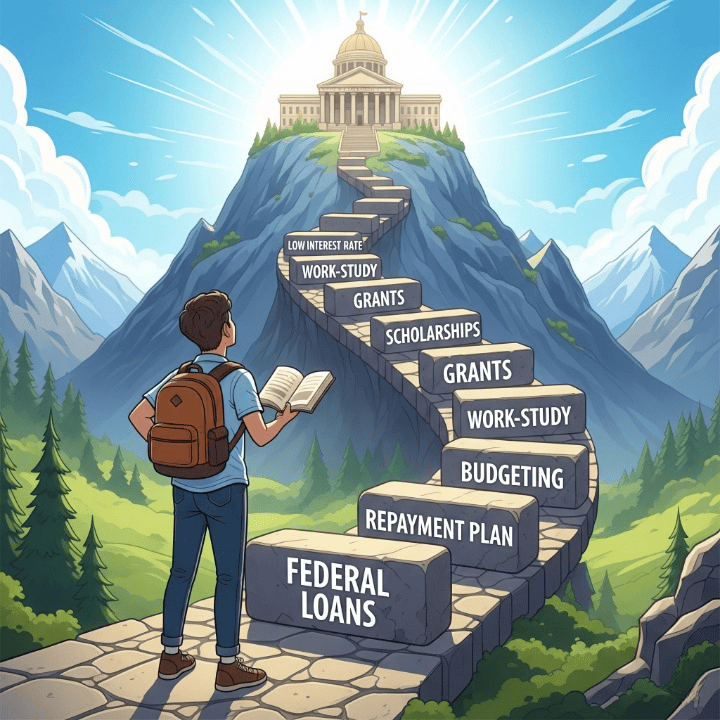
For millions of students, higher education is the key that unlocks a future of greater opportunity and personal growth. However, the rising cost of university can make this dream seem out of reach. This is where student loans play a critical role. Far from being something to fear, a student loan, when used wisely, is one of the most powerful investment tools you will ever use. It is not “bad debt”; it is a strategic form of financing for your own potential, an investment in your future self.
However, the world of student loans can be a confusing maze of acronyms, terms, and options. Understanding this landscape is essential to making informed decisions that will benefit you for years to come, not burden you. This article is your complete, step-by-step guide to demystifying the entire process. We will cover the different types of loans, decode the essential terms you must know, discuss responsible borrowing, and explain how to navigate repayment, enabling you to use this powerful financing tool with confidence.
The Two Main Flavors: Federal vs. Private Loans
The first and most important distinction to understand is the difference between federal and private student loans.
- Federal Student Loans: These loans are funded by the government. They are the starting point and the best option for nearly every student. Their key advantages include:
- Fixed Interest Rates: The interest rate is fixed for the life of the loan, meaning your payments won’t unexpectedly skyrocket.
- No Credit Check Required (for most types): Most federal loans for undergraduate students do not require a credit check or a co-signer.
- Flexible Repayment Options: Federal loans offer access to programs like income-driven repayment plans, which can make your monthly payments more manageable after graduation.
- Borrower Protections: They come with options for deferment, forbearance, and loan forgiveness in certain circumstances.
- Private Student Loans: These loans are issued by private lenders like banks, credit unions, and other financial institutions. They should only be considered after you have exhausted all of your federal loan options. Key characteristics include:
- Credit-Based: Approval is based on your credit history. Since most students have little to no credit, this almost always requires a co-signer (like a parent) with a strong credit score.
- Variable or Fixed Interest Rates: They may offer a choice, but variable rates can increase over time, making them riskier.
- Fewer Protections: Private loans typically offer far less flexibility and fewer protections if you run into financial trouble after graduation.
The Golden Rule of Borrowing: Always maximize your federal loan eligibility before even considering a private loan.
Decoding Your Loan Offer: Key Terms You Must Understand
When you receive a loan offer, you’ll be presented with a document full of financial terms. Understanding this language is crucial.
- Principal: This is the base amount of money you are borrowing.
- Interest Rate: This is the percentage charged for borrowing the money. A lower interest rate is always better. As discussed, this can be fixed (stays the same) or variable (can change).
- Loan Term: This is the amount of time you have to repay the loan, typically 10 years for a standard plan, but can be longer.
- Disbursement: This is the process of the loan money being paid out. It is usually sent directly to your university to cover tuition and fees, with any remaining amount being sent to you.
- Grace Period: This is a set period of time after you graduate or leave school (usually six months) before you must begin making payments on your loan.
Borrowing Responsibly: How Much is Too Much?
It can be tempting to accept the maximum loan amount you are offered, but this can be a mistake. Remember, every dollar you borrow must be paid back with interest. The goal is to borrow only what you absolutely need to cover your educational expenses.
A helpful rule of thumb is to try to ensure your total student loan debt does not exceed your expected starting salary after graduation. This helps keep your future debt-to-income ratio at a manageable level, giving you more financial flexibility. This is a long-term commitment, and borrowing responsibly now will significantly reduce stress and improve your financial health later.
Life After Graduation: Navigating Repayment
Your loan payments will typically begin after your six-month grace period ends. Making these payments on time, every time, is critical. Federal loans offer several repayment plans, and you can usually choose the one that best suits your financial situation. These can range from a standard 10-year plan to income-driven repayment (IDR) plans. IDR plans can be a lifesaver for new graduates, as they cap your monthly payment at a percentage of your discretionary income, which can be a huge relief and greatly benefit your mental health by reducing financial stress.
Student Loans and Your Credit Score
Your student loans will play a massive role in shaping your credit history. Once you begin repayment, your payment history is reported to the major credit bureaus each month.
- Building Good Credit: By making your payments consistently on time, you are demonstrating your reliability as a borrower. This is one of the most powerful ways to build a strong credit score, which will help you qualify for other financing in the future, like a car loan or mortgage.
- The Danger of Default: Conversely, failing to make your payments can have a devastating impact on your credit score, making it very difficult to get approved for anything for years to come.
It’s also crucial to remember to use loans for their intended purpose. Never use a high-interest rate credit card to pay for tuition. A student loan is a specific financing tool designed for education with much more favorable terms.
The Safety Net: Loan Discharge and Insurance
Federal student loans come with important, built-in consumer protections that act as a form of insurance. In the tragic event of a borrower’s death or if they become totally and permanently disabled, the federal government will discharge the remaining loan balance. This ensures that your family will not be burdened with your educational debt. This is a significant benefit not always offered by private loans. While less common, some private companies may offer optional student loan insurance policies, but the protections embedded in federal loans are a key advantage.
Conclusion
Student loans are one of the most effective financing tools available, making higher education an achievable dream for millions. They are a serious financial commitment, not a blank check. By understanding the crucial differences between federal and private options, carefully analyzing the interest rate and terms, borrowing only what you need, and committing to on-time repayment, you can leverage this tool to make a powerful investment in your future.
A well-managed student loan is more than just a means to an end; it is a bridge to a better future, a lesson in financial responsibility, and a cornerstone for building a strong credit history that will serve you for the rest of your life.