Introduction
The university years are a unique and fleeting window of freedom, learning, and profound self-discovery. It is a period often filled with daydreams of exploring the world—imagining a spring break adventure in a sun-drenched European city, a character-building backpacking trip through Southeast Asia, or a transformative semester studying abroad. These travel experiences can be just as educational as any formal lecture, offering invaluable lessons in independence, cultural awareness, and resilience. However, one towering hurdle often stands between these aspirations and reality: money. The very idea of financing travel on a student’s budget can feel daunting, if not entirely impossible.
But it doesn’t have to be a distant dream. With a blueprint of strategic planning, the cultivation of smart financial habits, and a dose of discipline, seeing the world during your university years is a surprisingly achievable goal. This comprehensive guide will serve as your financial roadmap, providing actionable strategies for saving, budgeting, deal-hunting, and spending wisely. Our goal is to empower you to move beyond the question of “if” you can travel, and confidently answer “how.”
The Foundation: Building Your Travel Fund
Your journey begins long before you step on a plane or pack a bag. It starts with the conscious decision to prioritize your goal and the first dollar you set aside. Building a dedicated travel fund requires a proactive, multi-pronged approach to your personal finances.
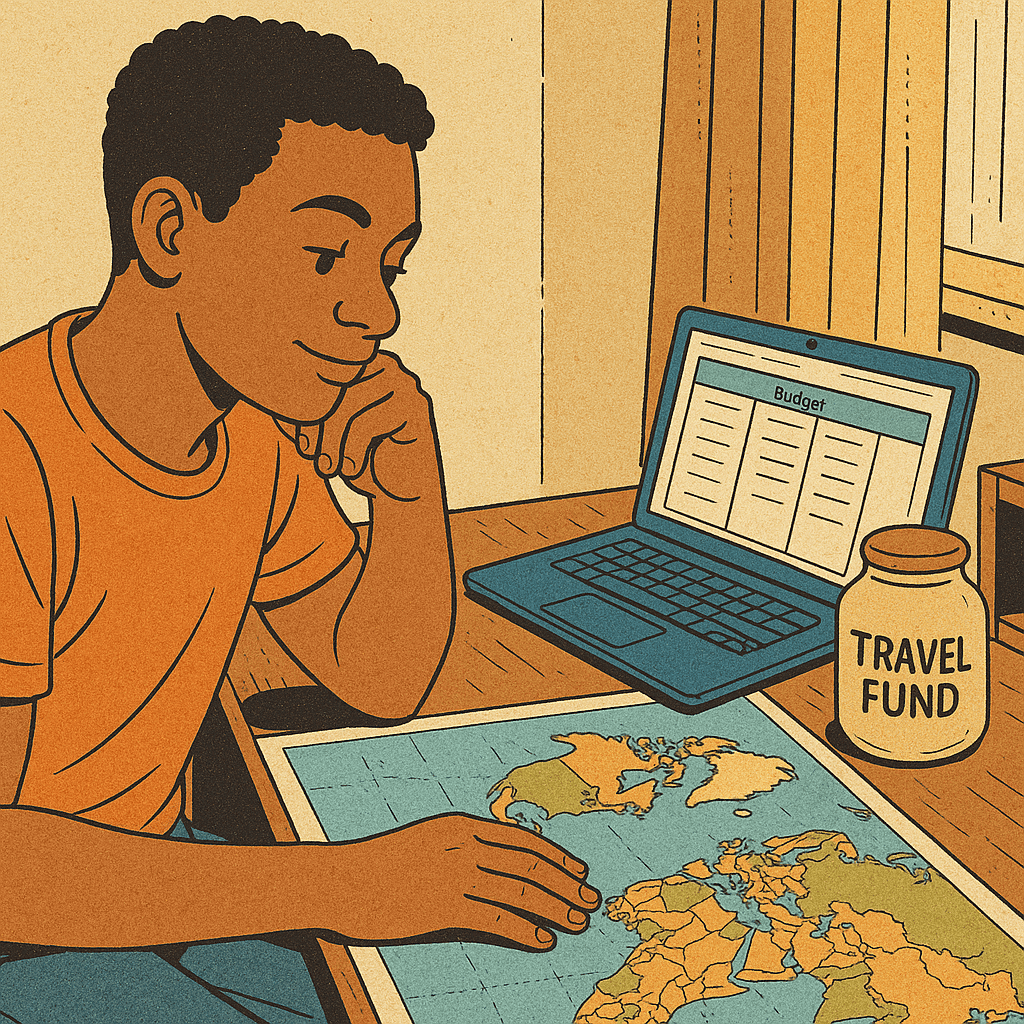
- Create a Dedicated Savings Account: The foundational step is to create a clear separation between your travel savings and your daily spending money. Open a high-yield savings account and give it a specific name, like “European Adventure Fund.” This simple act creates a psychological barrier, making you far less likely to dip into it for non-essential, non-travel-related expenses. Think of it as your digital travel jar, untouchable for daily temptations.
- Automate and Accelerate Your Savings: Relying on leftover money at the end of the month is the least effective way to save. The key is to make it automatic and effortless. Set up an automatic transfer from your main checking account to your travel fund, scheduled for the day you get paid. Even a small amount, like $15 or $25 a week, adds up to over $1,000 in a year. To accelerate this, check if your banking app offers a “round-up” feature, which rounds up your daily purchases to the nearest dollar and transfers the difference to your savings.
- Boost Your Income with a Purpose: Look for ways to supplement your income with your travel goal in mind. This could mean picking up extra shifts at your part-time campus job, dedicating one weekend a month to gig economy work like food delivery or tutoring, or using online platforms to do freelance writing or graphic design. A powerful motivator is to earmark all earnings from these side hustles exclusively for your travel fund.
- Audit Your Spending and Make Conscious Trades: Take a hard look at where your money goes. That daily $5 latte is over $150 a month—the cost of a train pass in some countries. Multiple streaming subscriptions you barely use can add up. This isn’t about eliminating all fun; it’s about making conscious trades. Ask yourself: “Am I willing to trade ten nights of ordering takeout for a round-trip flight?” Framing it this way turns sacrifice into a strategic choice.
The Art of the Deal: Stretching Your Travel Fund Further
Saving money is only half the battle. The other half is making that money go as far as possible by being a savvy consumer of travel.
- Finding Affordable Flights: This is often the biggest expense. Be flexible with your dates; flying on a Tuesday or Wednesday is almost always cheaper than a Friday. Use flight comparison websites to track prices, but also check budget airline websites directly, paying close attention to their baggage fees, which can sometimes negate the savings. Consider flying into a larger, cheaper airport and taking a train or bus to your final destination.
- Accommodation on a Dime: Hostels are a classic student choice for their affordability and social atmosphere. But don’t stop there. Look into university dormitories, which are often rented out to travelers during the summer break. For longer stays, booking a single room in a shared apartment rental can be cheaper than a hostel.
- Saving on Activities and Food: Your student ID is a golden ticket. Always ask for student discounts at museums, attractions, and even on public transport. Research free museum days or walking tours in your destination city. One of the biggest ways to save is on food. Avoid tourist-trap restaurants and eat where the locals do. Better yet, book accommodation with a kitchen and cook some of your own meals—shopping at a local market is a cultural experience in itself.
Smart Budgeting for Your Adventure
A well-thought-out budget is your roadmap to financial peace of mind while traveling. Break it down into clear categories to avoid surprises.
- Big-Ticket Items: These are your largest, fixed expenses. This category includes your round-trip flights and your primary accommodation.
- Daily Costs (Per Diem): This is the most crucial part of your budget. Research the average daily cost of your destination. For example, if your research shows that food, local transport, and one activity in Lisbon averages $70 per day, you should budget for at least that amount, then multiply it by the number of days you’ll be there.
- Pre-Trip Expenses: Don’t forget the costs you’ll incur before you even leave home. This can include visa applications, mandatory travel insurance, necessary vaccinations, or specific gear like a good backpack or walking shoes.
- The Buffer Zone: This is non-negotiable. Always add an extra 10-15% of your total budget as an emergency fund. This fund is your safety net for a missed train, a lost item, or an unforeseen medical need. It prevents a small hiccup from turning into a major financial crisis.
Managing Money on the Go: Banking and Currency
How you manage your money during your trip is just as important as how you save for it. Smart banking practices can save you a fortune in hidden fees.
- Choose the Right Bank Card: Before you travel, your top priority should be securing a debit or credit card that charges zero foreign transaction fees. These fees, often a sneaky 3% of every single purchase, can add up to hundreds of dollars on a long trip. A travel-friendly debit card is best for ATM withdrawals, while a student credit card can be good for purchase protection and building credit.
- Avoid Dynamic Currency Conversion: You will often be asked by a foreign merchant or ATM: “Would you like to be charged in your home currency?” The answer should always be no. This “service,” known as dynamic currency conversion, allows the merchant’s bank to set the exchange rate, which is always worse than the rate your own bank will give you. Always choose to pay in the local currency.
- Notify Your Bank: This two-minute phone call or online form is essential. Let your bank know your exact travel dates and destinations. This prevents their automated fraud detection systems from flagging your legitimate international purchases as suspicious and freezing your card right when you need it most.
A Special Case: Financing a Study Abroad Semester
Budgeting for a full semester abroad is a different beast than planning a short vacation.
- Understand the Full Cost: First, get a complete cost breakdown from your university’s study abroad office. This includes not just tuition, but also program fees, international health insurance, visa and residency permit costs, and estimated living expenses.
- Leverage All Available Resources: Your existing financial aid, including scholarships and grants, can often be applied to a study abroad program. Vigorously research and apply for external scholarships designed specifically for studying abroad—many go unclaimed each year.
- Create a Monthly Abroad Budget: You will need a detailed monthly budget. This should include fixed costs (rent, utilities, phone plan) and variable costs (groceries, entertainment, local travel). Tracking your spending for the first month is crucial to see if your budget is realistic and adjust for the following months.
Conclusion
Travel is not an indulgence reserved for the wealthy; it is an attainable and invaluable part of a well-rounded education, accessible to any student who is a diligent planner. By building a strong savings foundation, hunting for the best deals, budgeting meticulously, and managing your money wisely on the road, you can explore the world without derailing your financial future. The journey from dream to reality begins with a single, purposeful step. Your global adventure starts not when you book the flight, but when you save that first dollar and create a plan to make it happen.