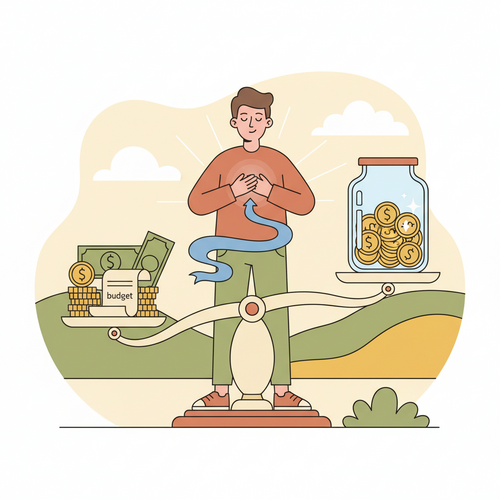
Achieving financial wellness is paramount for overall well-being. Indeed, effective money management significantly reduces anxiety, fostering a sense of control and peace. Many individuals, especially beginner investors, often feel overwhelmed by their finances. However, understanding and implementing sound financial strategies can transform this apprehension into confidence. This comprehensive guide explores how managing your money actively combats stress, paving the way for a more secure future.
Understanding Financial Anxiety
Financial anxiety, specifically, is a widespread concern today. It manifests as worry about debt, job security, or unexpected expenses. Consequently, this constant stress can impact mental and physical health. Many people experience sleepless nights due to money worries. Therefore, addressing the root causes of this anxiety becomes crucial for improving daily life.
Common Triggers of Money Stress
Several factors commonly contribute to financial stress. For instance, high credit card debt often feels burdensome. Unexpected medical bills, furthermore, can destabilize even a carefully planned budget. Job insecurity, moreover, causes immense worry about future income. Lack of an emergency fund consistently heightens fear of the unknown. Truly, identifying these triggers is the first step towards managing them effectively.
Pillars of Effective Money Management
Successfully managing your money hinges on several core principles. These pillars, specifically, provide a sturdy framework for financial stability. By embracing them, individuals can proactively diminish financial worries. Consequently, a clearer path towards long-term security emerges. Let’s explore these foundational elements.
Budgeting: Your Financial Roadmap
A budget essentially acts as your financial roadmap. It outlines where your money comes from and where it goes. Therefore, creating a realistic budget is fundamental for controlling spending. This tool empowers you to make conscious choices. Indeed, you can direct funds towards your goals rather than letting them slip away. A well-crafted budget helps prevent impulse purchases. Furthermore, it highlights areas where you might save more. Remember, consistency is key for budgeting success.
Steps to Create a Budget:
- Track Income and Expenses: Firstly, record every dollar earned and spent. This reveals spending habits.
- Categorize Spending: Group expenses like housing, food, and entertainment. Specifically, this clarifies where money goes.
- Set Spending Limits: Allocate amounts for each category. Consequently, you avoid overspending.
- Review Regularly: Adjust your budget as life changes. Furthermore, this ensures its continued relevance.
Building an Emergency Fund: Your Safety Net
An emergency fund serves as a vital safety net. It covers unforeseen expenses like car repairs or medical emergencies. Therefore, having readily available cash significantly reduces stress during difficult times. Financial experts, indeed, recommend saving three to six months’ worth of living expenses. This buffer prevents you from accumulating debt during crises. Truly, an emergency fund provides unparalleled peace of mind.
Tips for Building Your Fund:
- Set a Clear Goal: Determine your target savings amount. Specifically, this provides motivation.
- Automate Savings: Set up automatic transfers from checking to savings. Consequently, you save consistently without thinking.
- Cut Unnecessary Expenses: Find areas to trim your budget temporarily. For instance, reduce dining out.
- Direct Windfalls: Use bonuses or tax refunds for your fund. Indeed, this accelerates progress.
Managing Debt Wisely: Breaking Free
Debt, particularly high-interest debt, can be a major source of anxiety. Effectively managing and reducing debt, therefore, is a crucial step towards financial wellness. High interest rates can trap individuals in a cycle of payments. Furthermore, it hinders progress towards other financial goals. Prioritizing debt repayment frees up future cash flow. Consequently, your financial future becomes brighter.
Strategies for Debt Reduction:
- List All Debts: Understand what you owe, including interest rates. Specifically, this provides clarity.
- Prioritize High-Interest Debts: Focus on paying off debts with the highest rates first (the “debt avalanche” method). Indeed, this saves money over time.
- Consider Debt Consolidation: Combine multiple debts into one loan with a lower interest rate. However, research options carefully.
- Avoid New Debt: Commit to not taking on additional loans. Truly, this prevents further complications.
Smart Investing: Growing Your Wealth
For beginner investors, understanding smart investing is empowering. It involves putting your money to work for you. Therefore, investing wisely helps your wealth grow over time, outpacing inflation. This growth, moreover, can fund future goals like retirement or a down payment. Starting early, even with small amounts, yields significant long-term benefits. Indeed, compound interest is a powerful force.
Beginner-Friendly Investment Options:
- Employer-Sponsored Plans: Utilize 401(k)s or 403(b)s, especially if there’s an employer match. Furthermore, this is free money.
- Roth IRAs: Contribute to these accounts for tax-free growth and withdrawals in retirement. Specifically, they offer flexibility.
- Index Funds and ETFs: These diversified funds offer broad market exposure with lower risk than individual stocks. Consequently, they are great for beginners.
- Robo-Advisors: Use automated investment platforms for professional portfolio management at a low cost. Thus, investing becomes accessible.
Practical Steps to Begin Your Journey
Starting your financial wellness journey might seem daunting. However, breaking it into smaller, manageable steps makes it achievable. Consistency and patience are your most valuable allies. Therefore, celebrate small victories along the way. Your efforts will undeniably lead to a less anxious financial life.
Step 1: Assess Your Current Situation
Before making changes, understand your starting point. Gather all financial statements, including bank accounts and credit cards. Calculate your net worth, indeed, by subtracting liabilities from assets. This provides a clear snapshot. Furthermore, acknowledge both your strengths and weaknesses. Self-awareness is truly the foundation for progress.
Step 2: Set Clear, Achievable Goals
Define what financial wellness means to you personally. Do you want to pay off debt, save for a down payment, or retire early? Write down specific, measurable, achievable, relevant, and time-bound (SMART) goals. For instance, “Save $5,000 for an emergency fund within 12 months.” Clearly defined goals provide direction. Consequently, they motivate consistent action.
Step 3: Educate Yourself Continuously
The world of personal finance is dynamic. Therefore, continuous learning is essential. Read reputable financial blogs, books, and articles. Attend webinars or workshops. For instance, resources from organizations like Investopedia offer valuable insights. Expanding your knowledge empowers you to make informed decisions. Indeed, informed decisions lead to better outcomes.
Step 4: Automate Your Finances
Automation is a powerful tool for consistency. Set up automatic transfers for savings and investments. Schedule bill payments automatically. Consequently, you reduce the chances of missed payments and late fees. This streamlined approach minimizes effort. Furthermore, it ensures your financial plan stays on track, even during busy periods. Automation truly makes managing money easier.
Step 5: Seek Professional Guidance (If Needed)
Sometimes, complex financial situations warrant expert advice. Consider consulting a certified financial planner. They can provide personalized strategies. Therefore, don’t hesitate to seek help when needed. A good planner helps navigate intricate investment landscapes or retirement planning. For instance, resources available on Reuters or Bloomberg can offer insights into finding reputable advisors. Remember, seeking help is a sign of strength.
Long-Term Benefits Beyond Anxiety Reduction
While reducing anxiety is a significant benefit, financial wellness offers much more. It cultivates a sense of freedom and possibility. Consequently, individuals can pursue dreams and opportunities without constant monetary worry. Furthermore, it builds resilience against life’s unexpected challenges. These long-term advantages profoundly enhance overall life satisfaction.
Greater Flexibility and Opportunity
Sound money management creates financial flexibility. You can seize new career opportunities, for example, even if they initially pay less. Traveling or pursuing higher education becomes more feasible. Indeed, a solid financial foundation opens doors. It allows you to make choices based on passion, not just necessity. This freedom truly enriches your life experience.
Enhanced Relationships
Money stress often strains personal relationships. Arguments about finances are common, indeed. By managing money effectively, couples and families experience less conflict. Consequently, stronger bonds develop through shared financial goals and mutual understanding. Truly, open communication about money fosters healthier connections.
Improved Physical and Mental Health
Chronic financial stress negatively impacts health. It can lead to sleep disorders, high blood pressure, and anxiety attacks. Therefore, reducing this stress directly improves physical health. Furthermore, mental clarity and emotional stability naturally follow. Investing in financial wellness is, indeed, an investment in your overall health. Many reputable sources, such as The Wall Street Journal, often highlight the mind-body connection to finances.
Conclusion
Embracing financial wellness is a transformative journey. It empowers individuals to take control of their money, moving from fear to freedom. By consistently applying principles of budgeting, saving, debt management, and smart investing, you will significantly reduce anxiety. Furthermore, you will build a robust foundation for a life filled with security, flexibility, and opportunity. Start today; your future self will undoubtedly thank you for the peace of mind.