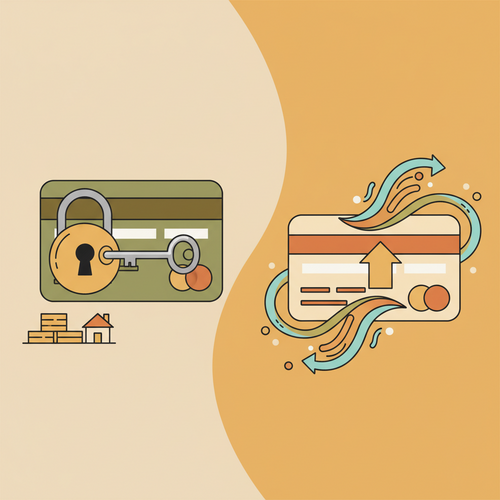
Secured vs. Unsecured Credit Cards are crucial tools for individuals navigating the world of personal finance. Therefore, understanding their fundamental differences is absolutely essential. Many beginner investors, furthermore, often feel overwhelmed by the choices available when starting their credit journey. Indeed, building a solid credit history is not just about borrowing money; it is about establishing financial reliability. This reliability, consequently, impacts everything from loan approvals to apartment rentals. Consequently, making the right choice between a secured and an unsecured card sets the stage for future financial success.
Understanding the Basics of Credit Cards
Before delving into specific card types, grasping the concept of credit is vital. Simply put, credit is the ability to borrow money or access goods and services with the understanding that you will pay later. For instance, a credit card provides a revolving line of credit. You can make purchases up to a certain limit, then you repay the balance. However, if you do not pay your balance in full, interest charges will accrue.
Why is Building Credit Important?
A strong credit history unlocks numerous financial opportunities. Primarily, it directly influences your credit score, a three-digit number representing your creditworthiness. Lenders use this score to assess risk. A higher score typically means better interest rates on loans for cars, homes, or even personal needs. Furthermore, landlords often check credit scores for rental applications. Some employers even consider credit history during hiring processes, especially for positions of financial responsibility. Thus, building credit responsibly is a foundational step in your financial life.
Unsecured Credit Cards: The Traditional Route
Unsecured credit cards are perhaps what most people envision when they think of “credit cards.” These cards do not require an upfront security deposit. Instead, the issuer extends credit based on your financial history, income, and credit score. Therefore, they represent a lender’s trust in your ability to repay borrowed funds without collateral.
Key Features of Unsecured Cards
- No Deposit Required: You do not need to provide a security deposit.
- Credit Limit: Your credit limit is determined by your creditworthiness. It can range from a few hundred to tens of thousands of dollars.
- Rewards and Perks: Many unsecured cards offer attractive benefits. For instance, these include cashback, travel points, or introductory 0% APR periods.
- Qualification: Generally, these cards require a good to excellent credit score. Consequently, this makes them challenging for newcomers or those with poor credit.
Pros and Cons of Unsecured Cards
Pros:
- More widespread availability for those with established credit.
- Often come with more robust rewards programs.
- Higher credit limits are common.
- No upfront cash outlay.
Cons:
- Difficult to obtain without a strong credit history.
- Interest rates can be higher if balances are carried over.
- Late payments severely damage your credit score.
Secured Credit Cards: A Stepping Stone
Conversely, secured credit cards operate differently. They require a security deposit, which typically matches your credit limit. This deposit minimizes the risk for the card issuer. If you fail to make payments, the issuer can use your deposit to cover the outstanding balance. Effectively, your own money serves as collateral for your credit line. Specifically, this feature makes secured cards much more accessible for individuals with no credit history or a less-than-perfect score.
Key Features of Secured Cards
- Security Deposit: A deposit is mandatory. This often determines your credit limit.
- Easier Approval: They are much easier to qualify for. Furthermore, they are ideal for credit builders.
- Reports to Credit Bureaus: Like unsecured cards, they report payment activity to major credit bureaus. Consequently, this helps build your credit history.
- Graduation Programs: Many issuers offer pathways to upgrade to an unsecured card. After a period of responsible use, your deposit may be refunded.
Pros and Cons of Secured Cards
Pros:
- Excellent for building or rebuilding credit.
- Higher approval rates for those with limited credit.
- Lower risk for lenders, which translates to easier access for consumers.
- Often features lower annual fees compared to some subprime unsecured cards.
Cons:
- Requires an upfront cash deposit, which can be a barrier.
- Credit limits are generally lower.
- Fewer rewards programs are typically available.
- Funds are tied up as collateral.
How Both Card Types Build Credit
Regardless of whether you choose a secured or unsecured card, the mechanics of credit building remain similar. Both types report your payment behavior to the three major credit bureaus: Equifax, Experian, and TransUnion. Specifically, consistent, on-time payments are the most significant factor in your credit score. Conversely, missed payments will negatively impact your score.
Critical Factors in Credit Building
- Payment History (35%): Always pay your bills on time. This is the single most important factor. Therefore, setting up auto-pay can be very helpful.
- Credit Utilization (30%): Keep your credit usage low. Ideally, you should use less than 30% of your available credit limit. For instance, if your limit is $500, try to keep your balance below $150.
- Length of Credit History (15%): The longer your accounts are open and in good standing, the better. Consequently, avoid closing old accounts unless absolutely necessary.
- New Credit (10%): Do not open too many new accounts at once. Each new application can cause a small, temporary dip in your score.
- Credit Mix (10%): Having a mix of credit types (e.g., credit cards, installment loans) can be beneficial. However, focus on healthy habits first.
Ultimately, both secured and unsecured cards can positively influence these factors. Thus, responsible use is the true key.
Which is Right for Building Credit: Secured or Unsecured?
The choice between a secured and unsecured credit card primarily depends on your current credit situation. Furthermore, it depends on your financial goals. Consider these scenarios:
Scenario 1: You Have No Credit History or Poor Credit
If you are new to credit or have experienced past financial difficulties, a secured credit card is almost always the right choice. Its lower approval barriers make it accessible. It allows you to demonstrate responsible financial behavior over time. Financial experts often recommend them for this purpose. You are essentially proving your ability to manage credit. Over time, this builds a positive credit history.
Scenario 2: You Have Fair to Good Credit
If you already have some credit history, perhaps from student loans or a co-signed account, an unsecured card might be an option. Indeed, some unsecured cards are designed for individuals with fair credit. These may come with slightly higher interest rates or fewer rewards. However, they do not require a deposit. Carefully compare terms and conditions before applying. Consider using resources like Bankrate to review different card options.
Important Considerations for Everyone
- Annual Fees: Some cards, both secured and unsecured, charge annual fees. Weigh these against the benefits.
- Interest Rates: While paying your balance in full avoids interest, know the APR. This is important for emergencies.
- Reporting Practices: Ensure the card issuer reports to all three major credit bureaus. This maximizes your credit-building efforts.
- Customer Service: Good customer service can be invaluable.
Tips for Responsible Credit Card Use
Regardless of your card type, responsible usage is paramount. Follow these guidelines to build credit effectively:
- Pay on Time, Every Time: Never miss a payment. Set up reminders or automatic payments.
- Keep Balances Low: Try to pay your statement balance in full each month. If you cannot, keep your balance well below your credit limit.
- Monitor Your Credit: Regularly check your credit reports for errors or fraudulent activity. You can get free annual reports from each bureau. The CFPB offers guidance on this.
- Understand Your Terms: Read the fine print. Know your interest rate, fees, and payment due dates.
- Be Patient: Building excellent credit takes time and consistent effort. There are no shortcuts.
Transitioning from a Secured to an Unsecured Card
Many secured cards offer a “graduation” path. After 6 to 12 months of responsible payments, the issuer may convert your secured card to an unsecured one. Your security deposit is then returned. This is often an excellent goal to work towards. Once you have a strong payment history, furthermore, you can apply for a wider range of unsecured cards. Look for cards with better rewards, lower interest rates, or higher credit limits. You might even consider a card from a different issuer, thereby expanding your credit options.
Conclusion
Choosing between secured vs. unsecured credit cards for building credit depends heavily on your individual financial standing. If you are starting fresh or rebuilding, a secured card provides a safe and effective pathway. Conversely, if you have some credit history, an unsecured card might be accessible. Regardless of the card type, the principles of responsible credit management remain universal. Pay your bills on time, keep your utilization low, and monitor your credit regularly. By following these practices, you will undoubtedly establish a strong credit foundation for your future. Therefore, make an informed decision today, and embark on your journey to financial strength. For more insights, consult trusted financial news sources like The New York Times.