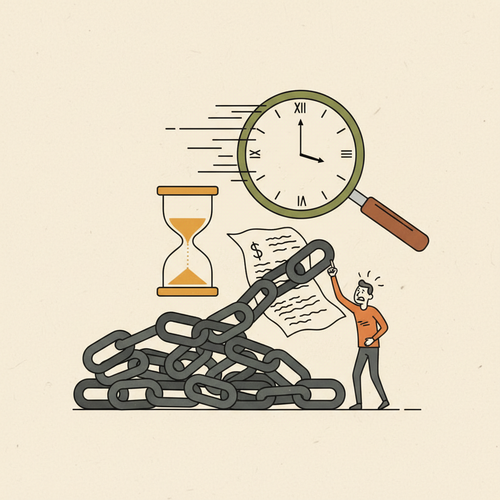
Understanding the true cost of debt is crucial for anyone managing personal finances. Many individuals, especially beginner investors, often overlook the significant hazards of making only minimum payments on their credit cards or loans. Therefore, this common practice can dramatically prolong the repayment period and substantially increase the total amount you ultimately owe.
Indeed, minimum payments might seem manageable at first glance. However, they can trap you in a cycle of perpetual debt. Consequently, calculating the exact financial burden becomes essential for sound financial planning. This article will delve into the hidden costs and provide a clear framework for understanding your financial obligations.
The Deceptive Appeal of Minimum Payments
Credit card statements prominently display a minimum payment amount. This figure represents the smallest sum you can pay to keep your account in good standing. Nevertheless, these minimums are designed to be low, making debt appear more affordable than it truly is. For instance, a credit card company might require just 1-3% of your outstanding balance, plus interest.
Furthermore, these low payments often cover only a small portion of the principal balance. The majority of your payment usually goes directly towards interest charges. Thus, your principal balance diminishes very slowly, if at all. This cycle consequently ensures you pay interest for an extended duration. Indeed, many consumers are unaware of this crucial detail.
Specifically, imagine a balance of $5,000 with an 18% annual percentage rate (APR). A minimum payment of 2% might be only $100. However, a significant portion of that $100 covers interest alone. This leaves very little to reduce the actual debt. Therefore, the debt lingers much longer than anticipated, accumulating more interest.
Why Minimum Payments Are a Trap
Minimum payments fundamentally benefit the lenders. They ensure a steady stream of interest income over many years. Conversely, for the borrower, this strategy leads to prolonged financial strain. Many people become accustomed to making these small payments. Consequently, they fail to grasp the long-term implications. This habit prevents faster debt reduction.
Consider the psychological aspect as well. A small payment feels less painful. This feeling of relief can mask the underlying problem. Consequently, it discourages individuals from actively seeking to pay down more. Indeed, this psychological comfort contributes to the insidious nature of debt accumulation. It prevents proactive financial management.
Furthermore, making only minimum payments can negatively impact your credit score over time. While on-time payments are good, carrying a high balance relative to your credit limit (credit utilization) lowers your score. Therefore, staying near your credit limit, even with minimum payments, indicates higher risk to lenders. This can affect future borrowing opportunities significantly.
Calculating the True Cost of Debt
Uncovering the true cost of debt requires some simple calculations. You must look beyond the immediate monthly payment. Instead, focus on the total interest paid over the life of the loan. This comprehensive view reveals the actual financial burden. Consequently, you gain clarity on your financial situation.
Example 1: Credit Card Debt
Let’s illustrate with a common scenario. Assume you have a credit card balance of $5,000. Your card carries an 18% APR. The minimum payment is 2% of the balance, or $50, whichever is greater. If you consistently make only the minimum payment, the repayment journey becomes astonishingly long.
Initially, a minimum payment on $5,000 might be $100. However, most of this goes to interest. As the balance decreases, the minimum payment also drops. This reduction further extends the repayment period. Consequently, you could spend over 15 years paying off that initial $5,000. During this time, the total interest paid might exceed the original principal. Therefore, an initial $5,000 debt could easily cost you $8,000 or more in total.
Indeed, tools are available online to help you visualize these scenarios. Many credit card companies also provide repayment calculators. Using these tools helps you understand the long-term impact. Specifically, input your current balance, APR, and desired payment. The results can be quite revealing. This insight empowers better financial decisions.
For more detailed financial insights, visit Reuters.
Example 2: Personal Loan
Personal loans often come with fixed terms and interest rates. Nevertheless, the concept of the true cost still applies. If you can only afford the minimum payment on a long-term personal loan, the total interest paid can still be substantial. For instance, a $15,000 personal loan at 10% interest over five years. The monthly payment would be around $318.
Over five years, you would pay back approximately $19,080. This means nearly $4,080 in interest alone. While not as dramatic as credit card interest, it is still a significant cost. Conversely, if you paid an extra $50 per month, you could save hundreds in interest. You would also shorten the loan term considerably. Thus, even small additional payments yield substantial savings.
The Opportunity Cost of Debt
Beyond the direct interest charges, there is an often-overlooked cost: opportunity cost. This refers to the benefits you miss out on by spending money on debt interest. Instead of paying interest, those funds could be invested. For example, they could grow over time in a savings account or a low-risk investment fund. Consequently, debt payments divert money from wealth-building activities.
Specifically, consider the earlier credit card example. The extra $3,000 or more paid in interest could have been invested. Over 15 years, even a modest return on investment could turn that $3,000 into a much larger sum. Therefore, debt not only depletes your current funds but also hinders your future financial growth. It acts as a double burden on your finances.
Furthermore, carrying significant debt can create psychological stress. This stress can impact decision-making and overall well-being. Consequently, the freedom from debt provides immense relief. This mental clarity then allows for better financial focus. Indeed, the ability to save and invest without the weight of high-interest debt is invaluable. For general economic news, consider Bloomberg.
Strategies for Effective Debt Reduction
Once you understand the true cost of debt, you can implement effective strategies. Taking proactive steps is crucial for breaking free from the debt cycle. Therefore, consider these proven methods to accelerate your debt repayment. They empower you to regain control of your financial future.
1. Create a Detailed Budget
A budget provides a clear picture of your income and expenses. It helps identify areas where you can cut back. Furthermore, by tracking every dollar, you can find money to allocate towards debt repayment. This foundational step is indispensable for any debt reduction plan. Therefore, start by meticulously reviewing your spending habits.
Specifically, look for non-essential expenditures. Small daily purchases often add up significantly. Cutting these can free up substantial funds. Consequently, even modest adjustments can make a big difference. This disciplined approach ensures you maximize your debt-fighting potential. Indeed, budgeting is your first line of defense against financial overextension.
2. The Debt Snowball or Avalanche Method
These two popular strategies offer structured approaches to debt repayment:
- Debt Snowball: With this method, you pay off your smallest debt first. You make minimum payments on all other debts. Once the smallest debt is gone, you apply the money you were paying on it to the next smallest debt. This continues until all debts are repaid. Furthermore, this method provides psychological wins. It builds momentum. Consequently, it motivates you to keep going.
- Debt Avalanche: This strategy focuses on paying off the debt with the highest interest rate first. You make minimum payments on all other debts. Once the highest-interest debt is gone, you tackle the next highest. This method saves you the most money on interest. Indeed, it is mathematically the most efficient approach. However, it might take longer to see the first debt eliminated.
Choose the method that best suits your personality and financial situation. Both are effective for systematic debt reduction. Therefore, analyze your debts and decide which approach resonates more with your financial goals. For more financial education, explore Investopedia.
3. Consider Debt Consolidation
Debt consolidation involves combining multiple debts into a single, new loan. This new loan typically has a lower interest rate. It also simplifies your payments into one monthly bill. Consequently, it can significantly reduce your overall interest payments. Furthermore, a lower interest rate means more of your payment goes towards the principal. Therefore, you pay off debt faster.
However, be cautious with consolidation. Ensure the new loan truly offers better terms. Also, avoid racking up new debt on the old accounts. Indeed, consolidation is a tool, not a magic bullet. It requires discipline to be effective. Research various options, including balance transfer credit cards or personal loans, thoroughly. For information on personal finance, check Forbes.
4. Negotiate with Creditors
If you are struggling to make payments, do not hesitate to contact your creditors. Many lenders are willing to work with you. They might offer lower interest rates, reduced monthly payments, or even a temporary hardship plan. Consequently, open communication can prevent further financial distress. Furthermore, it demonstrates your commitment to resolving the debt. Therefore, proactive engagement is key.
Specifically, prepare to explain your financial situation clearly. Be honest about your challenges. Creditors prefer to recover some money rather than none. Indeed, they often have programs designed to help borrowers. This can be a lifeline for those facing severe financial hardship. Explore consumer rights at Consumer Finance Protection Bureau.
The Long-Term Impact of Debt
Persistent debt affects more than just your bank account. It can hinder your ability to save for retirement. Furthermore, it delays major life goals like homeownership or funding your children’s education. Consequently, the ripple effects extend far into your future. Therefore, tackling debt early offers profound long-term benefits.
Consider your financial freedom. Being debt-free allows you to allocate more resources towards building wealth. It provides peace of mind. Furthermore, it opens up opportunities for investments that align with your long-term aspirations. Indeed, the earlier you address the true cost of debt, the sooner you can start building a robust financial future. This journey begins with informed choices and consistent effort.
Conclusion
Understanding the hazards of minimum payments and calculating the true cost of debt is a critical step towards financial independence. While minimum payments offer immediate relief, they often lead to a prolonged and more expensive debt journey. Therefore, by adopting proactive strategies like budgeting, employing debt repayment methods, and considering consolidation, you can escape the debt cycle.
Indeed, taking control of your finances requires discipline and informed decision-making. Make a conscious effort to pay more than the minimum whenever possible. Consequently, you will significantly reduce the total interest paid. You will also accelerate your path to debt freedom. Thus, empower yourself with knowledge and take decisive action today for a healthier financial tomorrow.