Introduction
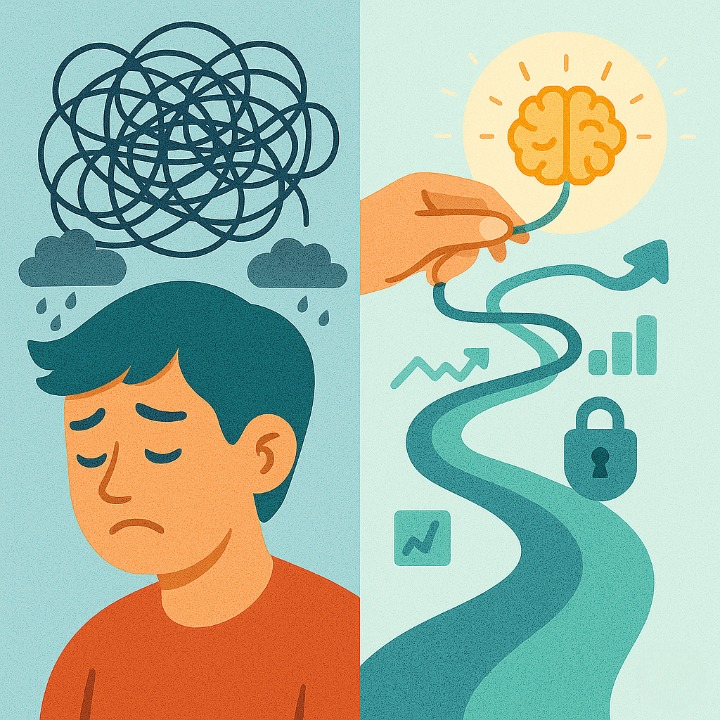
Have you ever felt a knot in your stomach when thinking about upcoming bills? Or perhaps a wave of anxiety when you open your banking app? If so, you are not alone. In our journey through personal finance, we often focus on the numbers—budgets, savings rates, and investment returns. But there’s a profoundly human side to money that we don’t discuss nearly enough: its impact on our mental health. Financial stress is one of the most common and pervasive stressors in modern life, silently affecting our mood, our relationships, and our overall sense of well-being. It’s a quiet burden that can feel isolating. The truth is, financial health and mental health are not two separate goals; they are deeply intertwined. Understanding this connection is the first step toward taking back control, not just of your finances, but of your peace of mind. This guide will explore this vital link and offer practical, compassionate strategies to improve both.
What is Financial Stress? It’s More Than Just Numbers
Financial stress is the emotional and psychological distress caused by your financial situation or money worries. It’s not just about being in a difficult financial position; it’s about the persistent feeling of being overwhelmed, uncertain, or out of control when it comes to money. This feeling can be triggered by a wide range of factors, and it affects people across all income levels.
Common triggers include:
- High levels of debt: Especially from sources like a credit card, which often carries a high interest rate.
- Unexpected expenses: A sudden car repair or medical bill can disrupt a fragile financial balance.
- Living paycheck to paycheck: The constant pressure of knowing there is no financial cushion is exhausting.
- Lack of financial literacy: Feeling like you don’t understand how to manage money can lead to feelings of helplessness.
- Concerns about credit: Worrying about a low credit score and how it might impact your future access to financing or housing.
Recognizing these triggers is not a sign of failure. It’s the first step in acknowledging the very real emotional weight that finances can carry.
The Vicious Cycle: How Money Worries Affect Your Health
The impact of financial stress is not just “in your head.” It creates a vicious cycle that can harm your mental, physical, and behavioral health, which in turn can make your financial situation even more challenging.
Mental and Emotional Impact
Constant worry about money can lead to chronic anxiety, difficulty concentrating, and even depression. It can rob you of your ability to enjoy the present moment because your mind is always occupied with “what-ifs” and financial calculations. This mental fog makes it difficult to make clear, rational decisions—including financial ones.
Physical Health Consequences
Our bodies respond to mental stress in physical ways. Chronic financial stress has been linked to a host of physical ailments, including:
- Headaches and migraines
- Insomnia and sleep disturbances
- Digestive problems
- High blood pressure
- A weakened immune system
Lack of sleep and constant tension wear you down physically, making it even harder to cope with daily challenges.
Behavioral Changes
When under financial pressure, people’s behaviors often change. You might withdraw from social activities because they cost money, leading to isolation. Financial disagreements can become a major source of conflict in relationships. Some may fall into unhealthy coping mechanisms, like emotional spending, which provides a temporary high but ultimately worsens the financial and emotional problem.
Breaking the Cycle: Practical Strategies for Financial Clarity and Calm
Improving your mental well-being doesn’t require you to solve all your financial problems overnight. It starts with taking small, manageable steps to regain a sense of control. This is an act of self-care.
- Face the Numbers (Without Judgment): The act of avoiding your financial reality is a major source of anxiety. Set aside a time to gently review your situation. Write down what you earn, what you spend, and what you owe. Do this not with an attitude of judgment, but with one of curiosity. This first step, while scary, moves the problem from a vague, terrifying cloud in your mind into a set of manageable facts on paper.
- Create a Simple “Spending Plan”: The word “budget” can feel restrictive. Instead, think of it as a “spending plan.” It’s a tool to ensure your money is going toward the things that matter most to you, including your financial goals. A simple plan might allocate funds for needs, wants, and savings/debt repayment. This provides structure and predictability, which are antidotes to chaos and anxiety.
- Build a Starter Emergency Fund: The goal of having 3-6 months of expenses saved can feel impossible when you’re starting out. So, start smaller. Aim to save just $500. Having that small cushion can dramatically reduce the anxiety around a minor unexpected expense. It’s a psychological safety net that gives you breathing room.
The Role of Credit and Insurance in Your Peace of Mind
Managing certain financial tools effectively can also be a direct investment in your mental health.
- Your Credit as a Tool for Calm: Many people view their credit score as a source of stress. Try to reframe it: a healthy credit history is a tool for future peace of mind. It means that if you need financing for a major life event, like buying a home, you’ll have options and face less stress. Taking small steps to improve your credit—like paying every bill on time and keeping credit card balances low—is a proactive way to care for your future self.
- The Safety Net of Insurance: Worrying about a catastrophic event is a huge source of anxiety. Having basic insurance policies (like health, auto, or renter’s) acts as a critical safety net. Knowing that you are protected from a financially devastating event can free up significant mental and emotional energy, allowing you to focus on the present.
A Practical Scenario: Alex’s Journey to Financial Calm
Meet Alex, who has been losing sleep for months. He has a few thousand dollars in credit card debt, and the guilt and shame prevent him from even looking at his statements. This avoidance fuels his anxiety, which affects his work and relationships.
One day, Alex decides he can’t continue this way. He takes one small step: he logs into his online accounts and writes down the exact balance and interest rate for each card. It’s less than he feared.
His next step is to create a simple plan. He sees he can afford to pay an extra $50 per month toward the card with the highest interest rate. He automates the payment.
Instantly, something shifts. His debt isn’t gone, but his helplessness is. By creating a plan, no matter how small, Alex took back a piece of control. His sleep improves, and he feels a sense of agency for the first time in months. His journey shows that improving your mental health through finance isn’t about reaching a destination; it’s about taking the first step on a clear path.
Conclusion
Your financial life and your mental well-being are not running on separate tracks; they are on the same train. Acknowledging the stress that money can cause is not a weakness—it’s a strength. By treating your financial journey with the same compassion and care as you would your physical or mental health, you can begin to unwind the knots of anxiety. The goal is not to achieve a “perfect” financial picture overnight. It is to build habits that foster clarity, control, and resilience. Taking small, consistent steps to understand and manage your money is one of the most profound acts of self-care you can practice, paving the way for a future that is not only more prosperous but also more peaceful.