Introduction
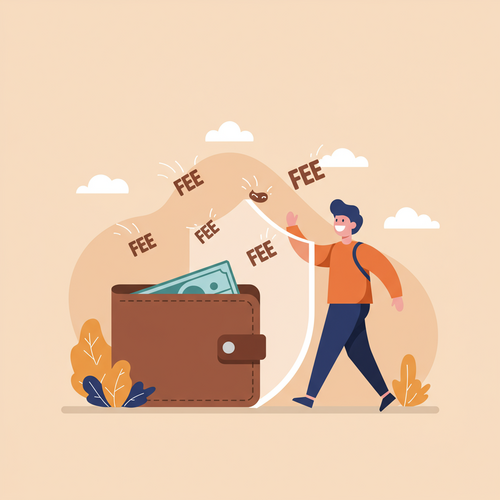
The thrill of exploring new cultures, savoring exotic cuisines, and witnessing breathtaking landscapes is truly unmatched. However, for many travelers, the joy of a perfect trip can be quickly overshadowed by unexpected costs. Among the most frustrating of these are foreign transaction fees. These seemingly small charges can quietly erode your travel budget, turning a well-planned financial strategy into a surprising expense report.
This comprehensive guide aims to demystify foreign transaction fees. We will equip you with the knowledge and practical strategies needed to avoid these charges altogether. By understanding how they work and preparing effectively, you can keep more of your hard-earned money. Ultimately, this allows you to focus on creating unforgettable travel memories without financial worries.
Understanding Foreign Transaction Fees: What Are They?
Foreign transaction fees are essentially surcharges levied by banks and credit card companies. They apply when you make a purchase or withdrawal in a currency other than your home currency. This also includes transactions processed internationally, even if they are in your home currency. Think of it as a small toll for using your financial products outside your country.
Typically, these fees range from 1% to 3% of the transaction amount. While 3% might not seem like much on a single small purchase, these charges add up rapidly. Imagine spending $3,000 on a two-week vacation. A 3% foreign transaction fee would cost you an extra $90. This sum could easily cover a nice meal or an admission ticket to a cultural site. Such fees are a significant drain on your travel funds. They are often overlooked in the excitement of planning an international adventure.
These fees can come from various sources. Your credit card issuer might charge one, as can your debit card provider. Even some ATMs abroad might impose their own surcharges. It is crucial to distinguish between these different types of fees. Being aware helps you make informed decisions. Knowing the specifics ensures you use the most cost-effective payment methods.
The Best Financial Tools for International Travel
Choosing the right financial tools before your trip is perhaps the most impactful step you can take. Your wallet should contain cards designed for international use. These cards actively work to minimize or eliminate foreign transaction fees.
Credit Cards with No Foreign Transaction Fees
Many credit card companies now offer cards specifically designed for international travelers. These cards waive the typical 1-3% foreign transaction fee. This feature makes them an excellent choice for most overseas purchases. Furthermore, many travel-focused credit cards offer additional perks. These might include travel insurance, rental car insurance, and valuable reward points. These points can often be redeemed for flights or hotel stays.
When selecting such a card, look beyond just the fee waiver. Consider the annual fee, if any, and the rewards structure. Some cards offer accelerated points on travel or dining expenses. These categories are common during international trips. Always apply for these cards well in advance of your travel dates. This ensures you receive the card and activate it properly. A good resource for comparing these cards is NerdWallet’s guide on no foreign transaction fee credit cards. They offer detailed comparisons.
Debit Cards with No ATM Fees Abroad
While credit cards are ideal for purchases, you will inevitably need local cash. This is where debit cards without foreign ATM fees become invaluable. Many traditional debit cards charge both a foreign transaction fee and an out-of-network ATM fee. However, some banks offer accounts that reimburse ATM fees worldwide. Others belong to global ATM networks. These networks allow fee-free withdrawals from partner banks.
A popular strategy is to open a checking account specifically for travel. Look for banks that advertise “no foreign ATM fees” or “ATM fee rebates.” Charles Schwab Bank, for example, is well-known for its investor checking account. This account reimburses all ATM fees globally. Always confirm your bank’s specific policies before you leave. This helps avoid any unpleasant surprises when you need cash.
Prepaid Travel Cards and Digital Wallets
Prepaid travel cards can offer a budgeted approach to spending. You load money onto them in the local currency before your trip. This locks in an exchange rate. They can also offer an extra layer of security. If the card is lost or stolen, your main bank account remains safe. However, check for activation fees, inactivity fees, and unfavorable exchange rates. These cards are not always the most cost-effective solution.
Digital wallets, such as Apple Pay or Google Pay, can also be useful. They provide a secure way to make contactless payments. When linked to a credit card with no foreign transaction fees, they offer convenience and savings. However, their acceptance varies widely by country and merchant. Always have a physical card as a backup.
Smart Money Management Strategies While Abroad
Even with the right financial tools, smart habits are essential. These strategies ensure you maximize your savings. They also help you avoid hidden charges that can crop up during your travels.
Always Pay in Local Currency (Dynamic Currency Conversion)
This is perhaps one of the most insidious ways travelers lose money. When paying with a card abroad, merchants might offer you a choice. They will ask if you want to pay in the local currency or your home currency. This is known as Dynamic Currency Conversion (DCC). Always choose to pay in the local currency.
When you choose your home currency, the merchant or their payment processor performs the conversion. They typically use an unfavorable exchange rate. They also often add their own hidden markup. If you choose the local currency, your bank or credit card company handles the conversion. They use the interbank exchange rate, which is much fairer. Your no-foreign-transaction-fee card will then process this transaction without extra charges. This simple choice can save you a significant amount on every card purchase.
Using ATMs Wisely
ATMs are convenient for obtaining cash, but they can be costly if used incorrectly.
- Locate In-Network ATMs: If your debit card offers fee-free withdrawals, find partner ATMs. Many banks have international partners. Check your bank’s website or app before you go.
- Withdraw Larger Sums Less Frequently: Each ATM withdrawal might incur a fee from the local ATM operator. Even if your bank reimburses its own fees, the local operator might charge you. Minimizing withdrawals saves you these multiple small charges.
- Decline Conversion Offers: Just like with card purchases, ATMs might offer to convert your withdrawal to your home currency. Decline this offer. Always choose to be charged in the local currency.
- Avoid Airport ATMs and Currency Exchange Kiosks: These locations often have the worst exchange rates and highest fees. Plan to get a small amount of local currency before you travel or withdraw from a reputable bank ATM in the city.
Minimizing Cash Needs and Maximizing Card Use
While some cash is always prudent, rely more on your no-foreign-transaction-fee credit card. This is especially true for larger purchases. Credit cards offer better fraud protection compared to debit cards or cash. Many also provide valuable rewards.
However, smaller establishments, street vendors, or local markets may only accept cash. Always have some local currency for these situations. A good strategy is to use your debit card to withdraw a moderate amount of cash. Then, use your credit card for all other transactions. This balances convenience, security, and cost savings.
Budgeting and Tracking Expenses
A well-defined travel budget is your best defense against overspending. This includes avoiding unnecessary fees.
- Set Daily Spending Limits: This helps you stay within your budget. It also prevents impulsive purchases that might incur fees.
- Use Budgeting Apps: Many apps help you track expenses in multiple currencies. They convert everything to your home currency. This gives you a clear picture of your spending.
- Review Statements Regularly: Keep an eye on your online bank and credit card statements. Look for any unauthorized transactions or incorrect fee charges. Report discrepancies immediately.
Effective budgeting not only saves you money on fees but also enhances your overall financial control.
Before You Go: Essential Preparations
Preparation is key to a smooth and cost-effective international trip. A little foresight can prevent major headaches later on.
Notify Your Bank and Card Issuers
Always inform your bank and credit card companies of your travel plans. Provide your travel dates and destinations. This prevents them from flagging your international transactions as suspicious activity. Such flags can lead to your cards being temporarily frozen. A frozen card abroad is an inconvenient and stressful situation.
Have Multiple Payment Methods
Never rely on just one card.
- Carry at least two different credit cards, ideally from different networks (e.g., Visa and Mastercard).
- Have a debit card for cash withdrawals.
- Keep a small amount of emergency cash in U.S. dollars or a major world currency.
This diversified approach ensures you have backup options if a card is lost, stolen, or not accepted.
Understand Your Card’s Benefits and Insurance
Many travel credit cards come with hidden benefits. These can save you money and provide peace of mind.
- Travel Insurance: Some cards offer basic travel accident insurance, trip delay coverage, or baggage loss protection.
- Rental Car Insurance: Decline the expensive rental car insurance at the counter if your card provides primary coverage. Check the specifics of your card’s benefits guide.
- Roadside Assistance: Some premium cards include international roadside assistance.
Review your card’s guide to benefits thoroughly. This ensures you are aware of all the protections you have. The Federal Trade Commission offers advice on what to do if your credit card is lost or stolen, a critical piece of information for travelers.
Emergency Contacts and Procedures
Before departing, make a list of important contact numbers. Include your bank’s international customer service line and your credit card’s emergency number. Store these both digitally and as a physical copy. Keep them separate from your wallet. Also, understand the procedures for reporting lost or stolen cards. Knowing these details upfront can drastically reduce stress during a crisis.
Conclusion
International travel offers enriching experiences that broaden perspectives and create lasting memories. However, these experiences can become unnecessarily costly if you are unprepared for foreign transaction fees. By understanding what these fees are and strategically choosing your financial tools, you can avoid them entirely.
Remember to prioritize credit and debit cards with no foreign transaction fees. Always opt to pay in the local currency to circumvent dynamic currency conversion traps. Use ATMs wisely by withdrawing larger sums and declining conversion offers. Finally, meticulous preparation—notifying your bank, carrying multiple payment methods, and knowing your card benefits—will safeguard your finances. Armed with these strategies, you are well-equipped to embark on your next adventure with confidence. You can enjoy your journey knowing that your money is working for you, not against you. Travel smart, explore more, and let your adventures be defined by discovery, not by hidden fees.