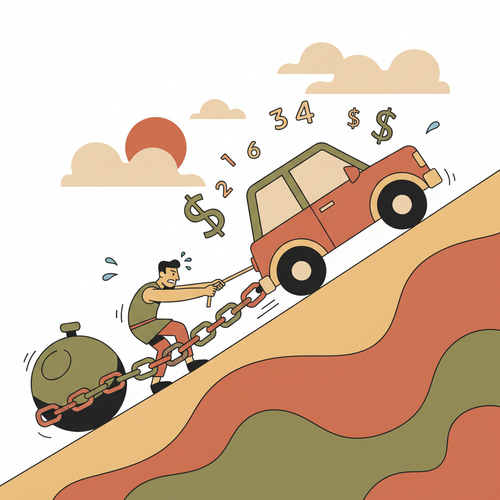
Quick Summary: The Pitfalls of Subprime Auto Loans
- 🚨 Subprime auto loans can trap you with **exorbitant interest rates** and hidden fees.
- 📉 Understanding the true financial impact in 2026 is crucial to **avoid long-term debt**.
- 💡 We’ll show you how to identify red flags and explore **smarter financing options**.
Buying a car is exciting, but securing the right loan can feel overwhelming. For many, a subprime auto loan seems like the only option. However, this path often leads to unexpected financial burdens.
In 2026, the landscape of auto financing continues to evolve. Understanding the specifics of subprime loans is more important than ever. You need to be prepared for the actual costs involved.
What Exactly is a Subprime Auto Loan?
Simply put, a subprime auto loan is for borrowers with a less-than-perfect credit score. Lenders view these individuals as higher risk. Consequently, they charge significantly higher interest rates to compensate for that perceived risk.
Your credit score usually falls below 620 to be considered subprime. This doesn’t mean you can’t get a loan. It just means the terms will be far less favorable than for someone with excellent credit.
- 🤔 **Poor Credit Score:** Typically below 620.
- 💸 **High Interest Rates:** Much higher than prime loans.
- ⚠️ **Increased Risk for Lenders:** Why they charge more.
- 📉 **Potential for Debt Cycle:** Easy to get trapped.
The “Why” Behind High Interest Rates
Lenders operate on risk assessment. When your credit history shows missed payments or high debt, you represent a greater risk of default. This higher risk directly translates to a higher Annual Percentage Rate (APR).
Think of it as an insurance policy for the lender. They’re trying to recover potential losses upfront. You ultimately pay the price for their increased exposure.
Understanding the True Cost in 2026
The sticker price of a car is just the beginning. With a subprime loan, you’re not just paying for the car; you’re paying a substantial premium to borrow the money. This premium can easily add thousands of dollars to your total cost over the loan’s lifetime, often without you realizing it initially.
In my experience, many first-time subprime borrowers overlook the total interest paid. They only focus on the attractive-sounding monthly payment. This can be a critical mistake, leading to significant financial strain and a feeling of being trapped. Always demand to see the amortization schedule.
💡 Pro Tip: Calculate the Total Cost!
Don’t just look at the monthly payment. Ask your lender for the total amount you will pay over the life of the loan, including all interest and fees. This number is your real cost.
Hidden Fees and Charges
Beyond high interest, subprime loans often come with extra fees. These might include origination fees, documentation fees, or even prepayment penalties. Always read the fine print carefully before signing anything.
These fees might seem small individually, but they quickly add up. They further inflate the true cost of your loan. You need to know every single charge before committing.
The Impact on Your Financial Future
A subprime auto loan can be a double-edged sword. While it gets you a car, it can also damage your long-term financial health. High monthly payments can strain your budget, making it harder to save or pay off other debts.
Moreover, defaulting on a subprime loan leads to repossession and further damage to your credit score. This creates a vicious cycle. It becomes increasingly difficult to secure favorable loans in the future.
| Feature | Prime Auto Loan | Subprime Auto Loan |
|---|---|---|
| Credit Score | 680+ (Excellent/Good) | Below 620 (Fair/Poor) |
| Interest Rate (APR) | Low (e.g., 3-7%) | High (e.g., 10-25%+) |
| Total Cost | Lower over loan term | Significantly higher |
| Loan Terms | Flexible, shorter options | Often longer, less flexible |
| Fees | Minimal | Potentially higher fees |
Longer Loan Terms: A Hidden Trap
One common tactic with subprime loans is offering extended loan terms. While this reduces your monthly payment, it significantly increases the total interest you’ll pay. A 72 or even 84-month loan can double the amount of interest compared to a 48-month term.
Think about it: you’re paying interest for a much longer period. This also means you could be “upside down” on your loan – owing more than the car is worth – for a longer time. This makes it harder to sell or trade in the vehicle without incurring further debt.
Alternatives to Subprime Loans
You don’t have to settle for a bad deal. There are steps you can take to improve your situation. Consider building your credit score before applying for a loan.
Saving for a larger down payment is another excellent strategy. A bigger down payment reduces the amount you need to borrow. This can significantly lower your monthly payments and total interest.
Strategies to Improve Your Credit Score:
- ✅ **Pay Bills on Time:** Consistency is key for good credit.
- ❌ **Reduce Debt:** Lower your credit utilization ratio.
- 📈 **Review Credit Report:** Fix any errors immediately.
- 🤝 **Secured Credit Card:** A great way to rebuild credit responsibly.
The Power of a Down Payment
A substantial down payment shows lenders you’re serious and reduces their risk. Even 10-20% down can make a big difference. It can open doors to better interest rates and more favorable terms.
Furthermore, a larger down payment means you’ll finance less. This directly lowers your total interest paid over the life of the loan. It’s a smart financial move if you can manage it.
⚠️ Warning: Avoid “Buy Here, Pay Here” Dealers!
While convenient, these dealerships often offer extremely high-interest rates and unfavorable terms. Their goal is usually quick profit, not your financial well-being. Exercise extreme caution.
Negotiating Your Loan Terms
Even with less-than-perfect credit, there’s always room to negotiate, especially if you come prepared. Don’t take the first offer, no matter how desperate you feel. Shop around with multiple lenders – credit unions, online lenders, and traditional banks – to compare rates and terms thoroughly.
Ask about every single fee, every penalty for early repayment, and the full breakdown of the interest calculation. Understand the total cost before committing. Knowledge is your most powerful tool when it comes to securing a favorable loan, even in a subprime situation.
When to Refinance
If you’re already caught in the grip of a high-interest subprime loan, refinancing might offer a lifeline. As your credit score improves – perhaps after 6-12 months of consistent, on-time payments – you could qualify for a significantly better rate. This can dramatically reduce your monthly payments and the overall interest paid throughout the remainder of the loan.
However, be sure to weigh the costs of refinancing against the potential savings. Some lenders charge fees for refinancing, and you need to ensure the new loan offers a clear, measurable financial advantage. Always calculate the net benefit before making the switch. Consider approaching a credit union first, as they often have more lenient refinancing options.
In my experience, many people get trapped because they feel rushed. Take your time. Don’t let a salesperson pressure you into a deal you haven’t fully understood.
Remember, your financial health is more important than driving off the lot today. A little patience can save you thousands in the long run.
For more insights into personal finance, explore resources from Bloomberg, Investopedia, or the Consumer Financial Protection Bureau. These sites offer invaluable information to help you make informed decisions. Staying informed is your best defense against predatory lending.
You can also check your credit score regularly through services like Experian or Equifax. Knowing your score is the first step toward improving it. Monitor your financial health diligently.
Conclusion
Subprime auto loans offer a path to vehicle ownership for those with challenged credit, but they come at a significant cost. The high interest rates and potential fees can drastically increase your total expenditure. Understanding these real costs in 2026 is vital for protecting your financial future.
By improving your credit, saving for a down payment, and carefully negotiating, you can navigate the auto loan market more effectively. Empower yourself with knowledge and make choices that serve your long-term financial well-being.
What steps will you take today to secure a better auto loan for tomorrow?