Introduction
The burden of student loan debt can feel immense. For many, it represents a significant financial commitment that lasts for years, sometimes even decades. Managing these payments effectively is crucial for your overall financial health.
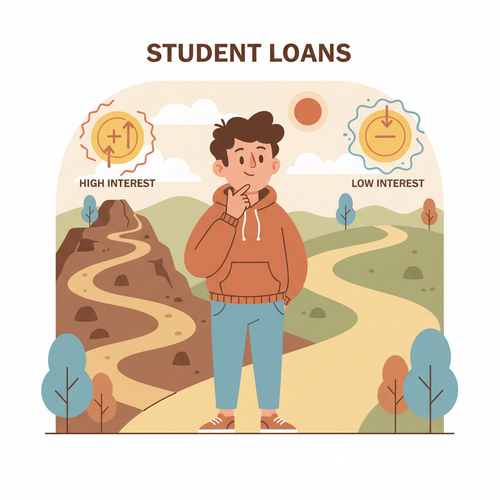
One powerful strategy many borrowers consider is student loan refinancing. This process involves taking out a new loan to pay off your existing ones. The primary goal is often to secure a more favorable interest rate, which can lead to substantial savings over the life of the loan.
However, refinancing is not a one-size-fits-all solution. Knowing precisely when to lock in a new interest rate is key to maximizing its benefits. This article will guide you through the intricacies of student loan refinancing, helping you determine if and when it’s the right move for your financial future.
Understanding Student Loan Refinancing
At its core, student loan refinancing means replacing one or more existing student loans with a brand-new loan from a private lender. This new loan typically comes with different terms, including a new interest rate and repayment schedule.
It’s essential to distinguish refinancing from federal loan consolidation. Federal loan consolidation combines multiple federal loans into one federal loan. This might simplify payments but usually does not lower your interest rate; instead, it often uses a weighted average of your existing rates.
Refinancing, on the other hand, is always done through a private lender. It can combine both federal and private loans into a single private loan. The main advantages often include a lower interest rate, which translates to reduced monthly payments or a shorter repayment period.
While the potential for savings is appealing, there are risks. Refinancing federal loans into a private loan means forfeiting valuable federal protections. These include access to income-driven repayment plans, generous deferment and forbearance options, and potential loan forgiveness programs.
Therefore, a careful evaluation of your current financial situation and future goals is paramount before making this decision.
Factors Influencing Interest Rates
When you consider refinancing, several critical factors will determine the interest rate you are offered. Understanding these elements empowers you to time your application effectively.
Your Credit Score
Your credit score is arguably the most significant factor. Lenders use it to assess your creditworthiness. A higher credit score indicates you are a less risky borrower, making you eligible for lower interest rates. Aim for a score in the “good” to “excellent” range (typically 670 and above) before applying.
Debt-to-Income (DTI) Ratio
Your debt-to-income ratio (DTI) measures how much of your gross monthly income goes toward paying debts. Lenders look for a low DTI. A lower DTI suggests you have sufficient income to manage new debt, which can also help secure a better rate. Most lenders prefer a DTI below 43%.
Current Economic Climate and Market Rates
The broader economic environment plays a crucial role. When the Federal Reserve raises interest rates, market interest rates for all types of loans, including student loans, tend to increase. Conversely, when rates fall, it creates a more favorable environment for refinancing.
Keeping an eye on economic news and interest rate trends can help you identify opportune moments to refinance.
Loan Term Selection
The length of your new loan, or the loan term, also impacts your interest rate. Shorter repayment terms (e.g., 5 or 7 years) generally come with lower interest rates compared to longer terms (e.g., 15 or 20 years). While a longer term reduces your monthly payment, you’ll likely pay more in total interest over time.
Fixed vs. Variable Interest Rates
When refinancing, you’ll typically choose between a fixed interest rate or a variable interest rate. A fixed rate remains the same throughout the life of the loan, offering predictability in your monthly payments.
A variable rate, however, can change over time, fluctuating with market indexes. Variable rates often start lower than fixed rates but carry the risk of increasing, which could raise your monthly payments unexpectedly. Consider your risk tolerance and market outlook when making this choice.
When to Consider Refinancing for a New Rate
Timing is everything when it comes to refinancing. Certain life events and market conditions can create ideal opportunities.
When Your Credit Score Has Improved Significantly
If your credit score has seen a substantial boost since you first took out your student loans, you are an excellent candidate for refinancing. A higher score signals greater financial responsibility to lenders, likely qualifying you for much better interest rates.
When Overall Market Interest Rates Are Low
Monitoring the general interest rate environment is critical. If market rates have dropped since you originally borrowed, it’s a prime time to explore refinancing. A small reduction in your interest rate can save you thousands of dollars over the loan’s term.
When Your Financial Situation is Stable
Having a secure job, a steady income, and an established emergency fund are strong indicators that you are ready to refinance. Lenders prefer borrowers who demonstrate financial stability, which can lead to better loan offers.
Ensuring you can comfortably meet your new payments, even with a lower rate, is important. This financial stability lessens your risk of default.
If You Have High-Interest Private Student Loans
Private student loans often come with higher interest rates compared to federal loans. If you primarily hold private loans, refinancing them is usually less complicated. You won’t lose federal protections because those benefits didn’t apply to your original private loans anyway.
This makes private loans ideal candidates for refinancing when you can secure a lower rate.
When You Want a Shorter Repayment Term
If your financial situation has improved, you might be able to afford higher monthly payments. Refinancing to a shorter loan term can significantly reduce the total interest paid. Even if your interest rate doesn’t drop dramatically, a shorter term means less time for interest to accrue.
When You Are Comfortable Forgoing Federal Protections
This is a crucial consideration. If you have federal student loans, think carefully about giving up benefits like income-driven repayment, deferment, forbearance, and access to potential loan forgiveness programs. If your career is stable, you have a solid emergency fund, and you do not foresee needing these protections, then refinancing federal loans might be an option.
However, always weigh the immediate savings against the potential loss of a safety net.
The Refinancing Process: Steps to Take
Navigating the refinancing process can seem daunting, but breaking it down into manageable steps makes it much easier.
1. Research Multiple Lenders
Do not settle for the first offer you receive. Research and compare rates and terms from several reputable private lenders. Many online platforms allow you to check rates without impacting your credit score initially.
Look beyond just the interest rate; consider fees, customer service, and repayment flexibility.
2. Gather Necessary Documentation
Lenders will require various documents to assess your eligibility and financial standing. Be prepared to provide:
- Proof of income (pay stubs, tax returns).
- Statements for your existing student loans.
- Personal identification (driver’s license, social security number).
- Credit history and score.
Having these documents ready will streamline your application process.
3. Apply and Compare Offers Carefully
Once you’ve researched, submit applications to a few top contenders. Each application will involve a hard credit inquiry, which may temporarily ding your credit score. However, if you apply to multiple lenders within a short window (typically 14-45 days), credit bureaus often count them as a single inquiry.
Review each loan offer meticulously. Pay attention to the interest rate, whether it’s fixed or variable, the loan term, and any origination fees.
4. Choose the Best Loan and Close
Select the offer that best aligns with your financial goals. Ensure you understand all the terms and conditions before signing any agreement. Ask questions about anything unclear. Once you close on the new loan, your new lender will pay off your old student loans, and you’ll begin making payments to the new lender.
Is Refinancing Right For You? A Checklist
To help you decide, consider these questions:
- Do you primarily have private student loans? If so, the decision to refinance is often simpler, as you won’t lose federal benefits.
- Has your credit score significantly improved since taking out your original loans? A stronger credit profile leads to better rates.
- Are current market interest rates lower than your existing rates? This is a primary driver for refinancing.
- Do you have a stable job, reliable income, and an established emergency fund? Financial stability is crucial.
- Are you comfortable giving up federal loan benefits (like income-driven repayment or deferment) if you have federal loans? This is a major trade-off.
- What are your long-term financial goals? Do you want to pay off debt faster, or reduce monthly payments?
If you answered “yes” to most of these questions, especially regarding private loans, improved credit, and lower market rates, then exploring student loan refinancing is likely a smart financial move for you.
Conclusion
Deciding when to lock in a new interest rate through student loan refinancing is a significant financial decision. It requires careful consideration of your personal financial health, the prevailing economic landscape, and the specific terms of your current loans.
The ideal time often aligns with improved personal credit, a stable income, and a decline in general market interest rates. While the potential for substantial savings is compelling, always weigh these benefits against the potential loss of federal loan protections.
By thoroughly researching your options, understanding the process, and evaluating your unique circumstances, you can make an informed choice that helps you take control of your student loan debt and advance your long-term financial well-being.