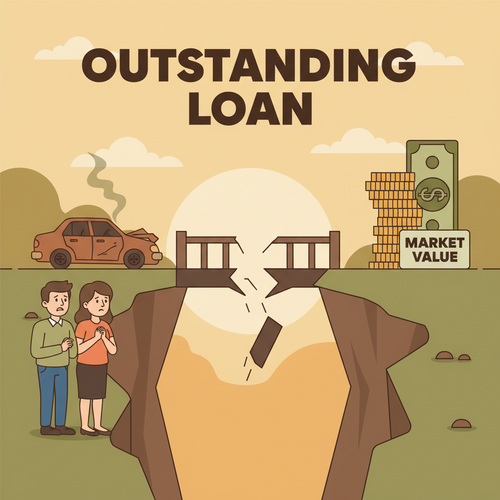
For many new car buyers, the question of whether gap insurance is worth it often arises during the financing process. This specialized coverage protects you financially if your newly purchased vehicle is totaled or stolen before you have paid off the loan. Understanding its value requires a thorough financial analysis, considering various factors unique to new car ownership and auto financing.
Every year, countless drivers face the stressful reality of a total loss. Without gap insurance, they could owe thousands on a car they no longer own. This article delves into the intricacies of gap insurance, helping you make an informed decision for your financial security.
Understanding Gap Insurance: What It Is and How It Works
Gap insurance, or Guaranteed Asset Protection insurance, serves as a crucial safeguard for car buyers. Primarily, it covers the “gap” between the actual cash value (ACV) of your vehicle and the outstanding balance on your auto loan. Standard auto insurance policies typically only pay out the ACV in the event of a total loss. Therefore, this specialized coverage ensures you are not left with a significant debt for a vehicle you can no longer drive.
The concept behind gap insurance is straightforward. If your car is declared a total loss, your primary insurer will pay you what the car was worth at the time of the incident. Often, particularly with new cars, this amount is less than what you still owe to your lender. Consequently, gap insurance bridges that financial deficit, preventing you from having to pay out of pocket.
The Depreciation Dilemma: Why New Cars Lose Value So Quickly
New cars notoriously depreciate rapidly. In fact, a new vehicle can lose 20% or more of its value in the first year alone. As soon as you drive a new car off the dealership lot, its value immediately drops. This phenomenon significantly contributes to the potential “gap” in coverage.
Several factors contribute to this quick depreciation. Firstly, mileage accumulation instantly reduces a car’s perceived value. Secondly, wear and tear, even minor, begins immediately. Moreover, newer models are constantly introduced, making your brand-new vehicle slightly less “new” with each passing month. This rapid loss of value often surprises many first-time buyers.
The “Gap” Explained: When Your Car’s Value Falls Short of Your Loan
The “gap” represents the financial shortfall you might experience after a total loss. Imagine you bought a new car for $30,000. You made a small down payment, and your loan balance quickly became $28,000. Six months later, the car is totaled. Your standard insurance policy assesses the actual cash value at $24,000.
In this scenario, your primary insurer pays $24,000. However, you still owe your lender $28,000. This leaves a $4,000 “gap” that you are responsible for. Without gap insurance, you would need to pay that $4,000 yourself, even though you no longer have the car. Clearly, this can create immense financial strain.
Who Benefits Most from Gap Insurance? Key Scenarios to Consider
While gap insurance offers broad protection, certain new car buyers benefit significantly more than others. Understanding these specific scenarios can help you determine if this coverage aligns with your financial situation. Ultimately, it targets individuals at higher risk of owing more than their car’s value.
For example, aggressive financing terms often increase the likelihood of needing gap coverage. Therefore, careful consideration of your loan structure is paramount. Financial experts often advise reviewing your loan-to-value ratio to gauge your risk.
High Loan-to-Value Ratios: The Primary Risk Factor
Buyers with a high loan-to-value (LTV) ratio are prime candidates for gap insurance. An LTV ratio measures the amount financed against the car’s total value. For instance, if you finance 100% of your car’s purchase price, your LTV is extremely high.
This situation becomes particularly risky when combined with rapid depreciation. You owe a large sum from the start, and the car’s value plummets quickly. Consequently, the likelihood of a significant gap between your loan balance and the car’s ACV increases substantially. It’s a common scenario for buyers who trade in a car with negative equity, rolling that debt into the new loan.
Longer Loan Terms and Minimal Down Payments
Longer loan terms, such as 72 or 84 months, also elevate the need for gap insurance. With extended terms, your equity builds much slower. Your payments are spread out, meaning a larger portion goes towards interest in the initial years. This slow equity growth keeps your loan balance high for a longer duration.
Similarly, making a minimal down payment, or no down payment at all, creates an immediate equity deficit. You start your loan underwater, meaning you owe more than the car is worth from day one. Both these scenarios amplify the risk of a significant gap if the car is totaled early in the loan term. Investopedia provides an excellent overview of these risk factors.
Vehicles with Rapid Depreciation Rates
Certain vehicles depreciate faster than others. Luxury cars, for example, often lose value quickly after purchase due to high initial prices and the rapid introduction of newer, more feature-rich models. Conversely, some economy cars might hold their value better, depending on market demand.
Researching the typical depreciation rate for your specific car model can offer valuable insight. If your chosen vehicle is known for rapid value loss, gap insurance becomes a more compelling option. This pre-purchase research can save you from future financial headaches.
Calculating the Costs and Benefits: A Financial Perspective
Deciding if gap insurance is worth it necessitates a clear understanding of its costs versus its potential benefits. Like any financial product, it involves weighing a relatively small premium against the possibility of a much larger payout. This financial analysis helps quantify its true value.
Consider your personal risk tolerance and financial stability. Some individuals prefer the peace of mind offered by comprehensive coverage, while others opt to self-insure. Ultimately, the decision often boils down to a personal financial assessment.
Average Cost of Gap Insurance vs. Potential Payout
The cost of gap insurance varies but is generally affordable compared to the potential financial burden it alleviates. Typically, it can range from a one-time fee of $200-$700 when purchased from a dealership or lender, or about $20-$40 annually when added to your existing auto insurance policy. These figures represent a relatively small investment.
Compare this to the potential thousands of dollars you could owe if your car is totaled without this coverage. For instance, if you face a $5,000 gap, paying $300 for gap insurance is a wise investment. The return on investment, in this hypothetical scenario, is substantial. This coverage prevents significant out-of-pocket expenses during an already difficult time.
Alternative Solutions: Emergency Funds and Higher Down Payments
Savvy financial planners often recommend alternative strategies to mitigate the “gap” risk. One primary method involves making a larger down payment on your new car. A substantial down payment immediately reduces your loan-to-value ratio, creating equity from day one.
Another excellent strategy is maintaining a robust emergency fund. If you have enough liquid savings to cover a potential gap of several thousand dollars, you might consider self-insuring. However, few new car buyers possess such a fund readily available. Major news outlets like Reuters often cover personal finance strategies, emphasizing the importance of emergency savings. Additionally, some suggest considering a shorter loan term to build equity faster, reducing the period of high risk.
Where to Purchase Gap Insurance: Dealerships vs. Independent Providers
When you decide gap insurance is a prudent choice, you have several options for purchasing it. Each avenue presents its own advantages and disadvantages. Evaluating these choices helps ensure you get the best value and coverage.
Often, the initial offer comes from the dealership. However, exploring other providers can sometimes lead to more favorable terms. Due diligence in shopping around is always recommended for financial products.
Pros and Cons of Dealership Offerings
Purchasing gap insurance from a car dealership offers convenience. It can be rolled directly into your auto loan, meaning no separate monthly payment. This simplicity appeals to many buyers, streamlining the financing process significantly.
However, dealership gap insurance can sometimes be more expensive than alternatives. They might mark up the price, and since it’s added to your loan, you also pay interest on the gap insurance itself. Furthermore, if you refinance your car loan, you might need to purchase new gap coverage, potentially losing any upfront payment. It is crucial to read the fine print carefully. The Federal Trade Commission offers valuable advice on buying a new car, including scrutinizing add-ons like gap insurance.
Exploring Options from Auto Insurers and Banks
Many independent auto insurance providers offer gap insurance as an add-on to your existing policy. This option is often more affordable, costing a small amount extra per month or annually. It integrates seamlessly with your current coverage, simplifying management.
Additionally, some banks and credit unions that offer auto loans also provide gap insurance. Their rates can be competitive, and it’s worth inquiring about their offerings. Comparing quotes from multiple sources—dealerships, your current insurer, and your bank—is the best way to secure the most cost-effective solution. This comparison approach ensures you make an economically sound decision.
Making the Informed Decision: Is Gap Insurance Right for You?
Ultimately, the decision of whether gap insurance is right for you rests on a careful assessment of your personal financial situation and risk tolerance. There is no one-size-fits-all answer. However, by considering key factors, you can make a choice that protects your assets without unnecessary expense.
Consider your financial comfort level with potential debt. Also, reflect on your ability to absorb an unexpected financial loss. This holistic approach will guide your decision.
Assessing Your Personal Financial Situation
Start by evaluating your down payment amount. Did you put down less than 20%? Next, examine your loan term. Is it longer than 60 months? These two factors are strong indicators of a higher risk profile for a “gap.” Additionally, consider your credit score; a lower score might lead to higher interest rates, increasing your total loan amount and therefore the potential gap.
Think about your emergency savings. Could you comfortably pay off a few thousand dollars in unexpected car debt? If the answer is no, gap insurance becomes a much stronger recommendation. Your financial stability plays a pivotal role in this decision-making process. The smarter you are with money, the better equipped you will be.
Understanding Your Policy’s Terms and Exclusions
Before committing to any gap insurance policy, meticulously review its terms and exclusions. Some policies have limits on the amount they will pay out. Others might not cover certain types of vehicles or losses, such as those caused by illegal activities. Consequently, a thorough understanding prevents future surprises.
Ensure you know when the coverage terminates. Typically, it ends when your loan balance equals the car’s actual cash value. Always ask questions and clarify any ambiguities with the provider. Transparency in understanding your policy terms is crucial for effective financial protection.
Conclusion
Determining whether gap insurance is worth it for new car buyers involves a comprehensive evaluation of financial risk, personal circumstances, and policy specifics. For individuals who make small down payments, opt for long loan terms, or purchase vehicles with high depreciation rates, gap insurance offers invaluable financial protection against unexpected total losses. It acts as a critical safety net, preventing significant out-of-pocket expenses.
Conversely, buyers who make substantial down payments, choose shorter loan terms, or have ample emergency funds might find gap insurance less necessary. Always compare offerings from dealerships, auto insurers, and banks to secure the best rates. Ultimately, an informed decision based on your unique financial situation ensures peace of mind and safeguards your investment. This detailed analysis empowers you to navigate the complexities of new car financing with confidence.