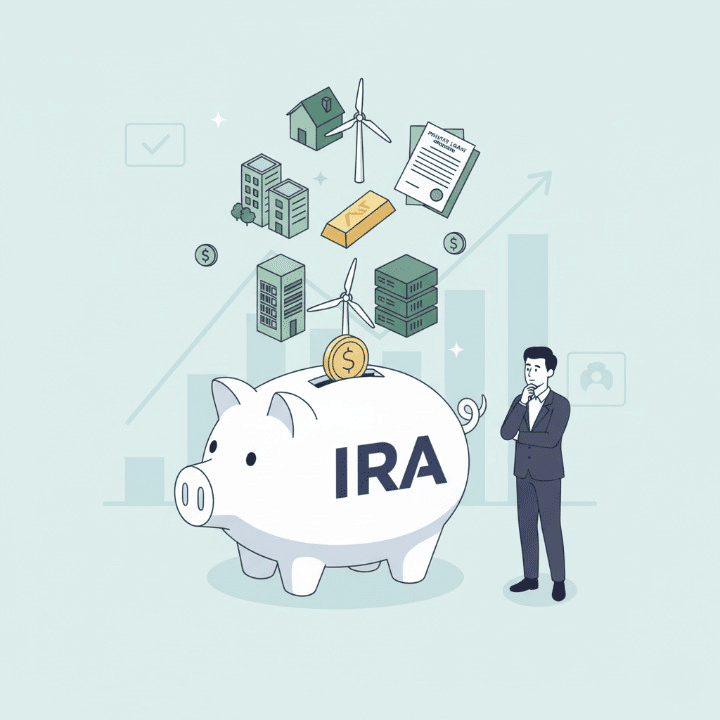
Introduction: Expanding Your Investment Horizons
Many investors seek avenues beyond traditional stocks and bonds, aiming for greater portfolio diversification. For these individuals, a Self-Directed IRA (SDIRA) offers a compelling solution. It allows you to invest in a broader range of assets, including real estate, private equity, and various other alternative investments. Understanding how an SDIRA works is crucial because it opens doors to unique growth potential and can significantly enhance your retirement planning strategy. While traditional IRAs limit your investment choices, SDIRAs provide far more control and flexibility. However, this increased freedom comes with added responsibility, as investors must navigate specific IRS rules carefully. This article explores how to leverage an SDIRA for alternative assets, delving into both the benefits and challenges. We will focus on real estate and other non-traditional holdings to help you deepen your financial knowledge and discover how SDIRAs can reshape your investment future.
Understanding Self-Directed IRAs
A Self-Directed IRA (SDIRA) is a type of Individual Retirement Account that provides investors with extensive control over their investment choices. Unlike conventional IRAs, SDIRAs allow for a wide array of alternative investments, which includes assets outside of publicly traded securities. The primary goal, however, remains the same: to save for retirement on a tax-advantaged basis. Depending on whether it is a traditional or Roth SDIRA, contributions may be tax-deductible, and earnings often grow tax-deferred or tax-free. The key difference lies in the vast investment options available.
A qualified custodian or trustee must hold all SDIRA assets. This entity administers the account and ensures compliance with IRS regulations. Nevertheless, the investors themselves make all the investment decisions. This structure empowers them to pursue unique opportunities but also demands greater due diligence from the account holder. It’s important to understand the custodian’s role; they handle record-keeping and reporting but do not provide investment advice. This distinction is vital for every SDIRA investor to grasp.
Choosing the Right SDIRA Custodian
Selecting the right SDIRA custodian is a critical first step. These specialized firms process and hold non-traditional investments on behalf of your IRA. Since not all custodians are created equal, their fee structures and expertise in different asset classes can vary significantly. Therefore, researching various providers is highly recommended. Look for transparent pricing and ensure they have experience with the specific assets you are interested in. A good custodian simplifies the administrative burden and helps investors stay compliant with IRS rules. Ultimately, the investment choices rest solely with you, the investor, making an SDIRA a powerful but hands-on tool for active portfolio management beyond typical Wall Street offerings.
Eligible Investments with an SDIRA
A Self-Directed IRA dramatically broadens your investment horizons, moving far beyond conventional stocks, bonds, and mutual funds. The IRS broadly permits most types of investments within an SDIRA, with some specific exceptions. Common alternative assets include real estate, which can range from residential properties to raw land. In addition, private equity opportunities are also permissible, involving direct investments in private companies. Other popular options include private loans, such as mortgages or business loans, and precious metals like physical gold and silver. Some investors also acquire tax liens and deeds, which offer unique income potential. This diversity allows for significant portfolio diversification, enabling investors to align their retirement savings with their expertise and specific investment philosophies. This flexibility is a core advantage of an SDIRA.
Prohibited Investments and Collectibles
However, it is equally important to know what is not allowed. The IRS prohibits certain types of investments to prevent self-dealing and the personal use of retirement funds. Specifically, collectibles are generally not permitted. This includes art, antiques, gems, stamps, and most coins. Furthermore, life insurance contracts and investments in S corporation stock are also excluded. Any transaction involving a “disqualified person”—such as the account holder, their spouse, or lineal descendants—is strictly forbidden. Understanding these prohibitions is crucial, as violating them can lead to severe penalties, including immediate taxation of the assets and the loss of the account’s tax-advantaged status. Always consult IRS publications or a tax professional to ensure full compliance.
The Power of Real Estate Investing with an SDIRA
Investing in real estate through an SDIRA offers unique benefits, providing a tangible asset for your retirement portfolio. The potential for appreciation is significant, and rental income can generate consistent cash flow. Crucially, these earnings grow on a tax-deferred basis, meaning you do not pay taxes annually on the profits. Instead, taxes are typically deferred until you take distributions in retirement. This powerful feature allows your investment to compound more rapidly. Moreover, real estate is often seen as a hedge against inflation and can provide a steady income stream, contributing to a well-rounded retirement plan. The ability to directly own property allows investors to select specific properties in targeted markets—a level of control not available with traditional IRAs.
Types of Real Estate Investments
An SDIRA can facilitate various forms of real estate investment, each carrying its own risk and reward profile.
- Residential Properties: This includes single-family homes, duplexes, or multi-family units that can generate rental income and offer potential for property value appreciation.
- Commercial Properties: Retail spaces, office buildings, or warehouses fall into this category. Commercial leases are often longer and can provide more stable income streams.
- Raw Land: Investing in undeveloped land is typically a long-term play that offers appreciation potential but does not usually generate income.
- Mortgage Notes: Your SDIRA can also act as a lender by buying and holding mortgage notes, which provides a steady stream of interest income secured by real estate.
The Real Estate Investment Process
Investing in real estate with an SDIRA follows a structured process that emphasizes strict separation from your personal funds.
- Fund Your SDIRA: First, ensure your SDIRA has sufficient funds, either through contributions or rollovers from existing retirement accounts.
- Identify a Property: Next, locate a property that meets your investment criteria and perform extensive due diligence on the market and potential returns.
- Submit an Offer Through Your Custodian: All transactions must flow through your SDIRA custodian. The purchase agreement must be in the name of your SDIRA, not your personal name.
- Fund the Purchase: Your custodian will disburse funds for the purchase. Importantly, all property-related expenses (taxes, insurance, maintenance) must also be paid by the SDIRA.
- Manage the Property (Indirectly): You cannot personally manage, repair, or use the property. A third-party property manager is often hired to ensure compliance with prohibited transaction rules.
- Receive Rental Income: Finally, all income generated from the property flows directly back into your SDIRA, where it continues to grow tax-deferred.
Exploring Other Alternative Assets
Beyond real estate, SDIRAs offer access to various other alternative assets that can provide additional diversification. These investments often have a low correlation with traditional markets, which can potentially reduce overall portfolio volatility. However, they typically come with higher risks and demand more specialized knowledge. Furthermore, these assets are usually less liquid, meaning converting them to cash can take time. Thorough research is paramount to match these investments with your risk tolerance and retirement timeline.
Private Equity and Venture Capital
Private equity involves direct investment in private companies, including venture capital for early-stage startups. While these investments seek high growth potential, they are typically illiquid and require a long-term commitment. The risk of loss is high, but the returns can be substantial if the companies succeed. Your SDIRA can participate as a limited partner in investment funds, allowing you to gain exposure without direct operational involvement.
Private Lending
Private lending involves using your SDIRA to issue loans to individuals or businesses, which are typically secured by assets like real estate. In this scenario, the SDIRA acts as the lender and receives interest payments, generating a fixed income stream. Although returns can be higher than traditional fixed-income products, default risk is a significant concern that requires thorough credit analysis and legally sound loan documentation.
Precious Metals
Investing in physical precious metals like gold, silver, platinum, and palladium is another popular SDIRA option. These metals are often viewed as safe-haven assets and a store of value during economic uncertainty. The IRS requires that the metals meet specific purity standards and be held by an approved non-bank trustee, not stored at home. While they can protect against inflation, precious metals do not generate income, and their value relies solely on market price fluctuations.
Rules, Regulations, and Prohibited Transactions
The IRS governs Self-Directed IRAs with strict rules designed to prevent abuse and ensure that retirement funds are used appropriately. Understanding the concept of “prohibited transactions” is paramount, as a violation can have severe consequences, including the disqualification of your entire SDIRA and immediate taxation and penalties. A prohibited transaction generally involves self-dealing—that is, using SDIRA assets for your personal benefit or transacting with “disqualified persons.”
Who is a “Disqualified Person”?
The IRS has a broad definition of a disqualified person, which includes:
- The SDIRA account holder and their spouse.
- The account holder’s lineal ascendants and descendants (parents, grandparents, children, grandchildren).
- Any entity (corporation, partnership, trust) in which a disqualified person holds a 50% or greater ownership stake.
Prohibited transactions include buying personal property from your IRA, selling your property to your IRA, lending money between yourself and your IRA, or providing services to an IRA-owned business. For instance, you cannot live in or even perform maintenance on an SDIRA-owned rental property. All transactions must be at arm’s length and solely for the benefit of the SDIRA.
The Risk of UBTI (Unrelated Business Taxable Income)
Another important consideration is Unrelated Business Taxable Income (UBTI). This tax may apply to income generated by your SDIRA from certain business activities, particularly those involving debt. For example, if your SDIRA uses a mortgage to purchase a rental property, a portion of the net income could be subject to UBTI. This tax is levied on the SDIRA itself and can reduce the tax advantages of the investment. Consulting with a tax advisor experienced in SDIRAs is crucial to navigate these complex rules.
Key Considerations and Due Diligence
While an SDIRA offers immense flexibility, it demands increased responsibility. Investors must be prepared for comprehensive due diligence that extends beyond merely selecting an asset. It encompasses understanding all associated risks and administrative duties.
Navigating Illiquidity and Valuation Challenges
Unlike traditional investments, SDIRA assets are often illiquid. They can be challenging to value and may be difficult to sell quickly if needed. This lack of liquidity is a significant factor that must be carefully weighed against your financial goals and retirement timeline. Additionally, these investments often lack the transparency of public markets, which requires more intensive research and independent valuations.
Managing the Administrative Burden
With an SDIRA, you are responsible for all investment decisions and for ensuring compliance with IRS rules. Although the custodian handles the record-keeping, you oversee the entire process, which can be time-consuming and requires a disciplined approach. Engaging experienced professionals, such as real estate attorneys and tax advisors, is highly advisable to mitigate potential legal or tax issues.
Evaluating Custodian Fees
Finally, always assess the fees associated with an SDIRA. Custodian fees can include setup fees, annual maintenance fees, and transaction-specific charges. These costs will impact your overall returns, so it is essential to compare different custodians and understand their fee structures before opening an account. Factoring these expenses into your investment projections is key to maximizing your retirement savings.
Conclusion: Taking Control of Your Retirement
In conclusion, a Self-Directed IRA presents an exciting pathway for investors to pursue a broader range of assets, including real estate and other alternatives. It offers unparalleled control over your retirement portfolio and the potential for enhanced diversification. Furthermore, SDIRAs facilitate tax-advantaged growth that can accelerate your long-term wealth accumulation. However, this flexibility comes with substantial responsibilities. Investors must exercise meticulous due diligence and adhere strictly to IRS regulations, especially concerning prohibited transactions.
Investing in alternative assets requires specialized knowledge and a higher level of engagement. Since you are the primary decision-maker, seeking professional advice is a critical component of successful SDIRA management. By consulting with experienced custodians, tax professionals, and financial advisors, you can ensure proper structuring and protect your hard-earned retirement savings. An SDIRA is an advanced strategy best suited for informed and proactive investors. For those ready to embrace the responsibilities, it can unlock immense potential on your journey to a secure financial future.