Introduction
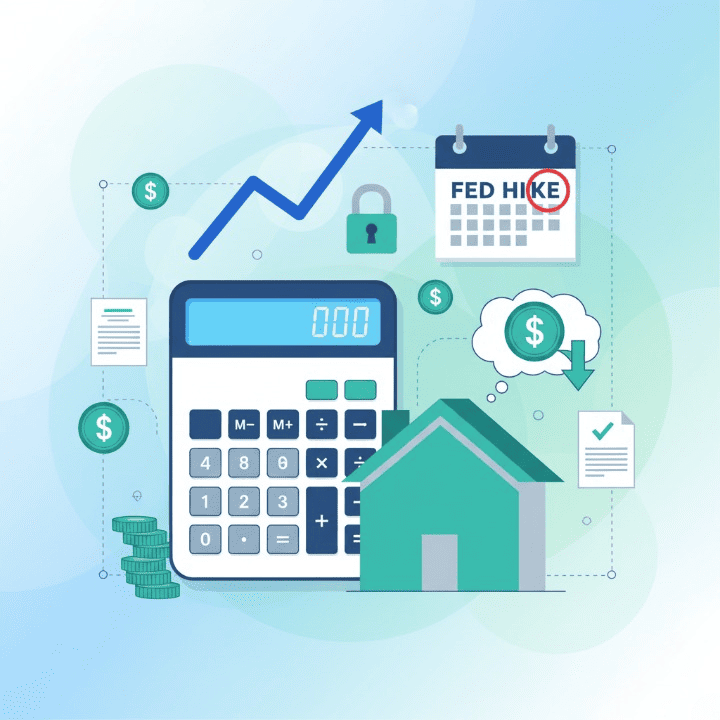
Many homeowners face a crucial financial decision today. Understanding and securing the best mortgage refinance rates can often feel complex. This is especially true with potential shifts in federal monetary policy. The prospect of a Federal Reserve interest rate hike looms. Consequently, such a hike can significantly impact your future borrowing costs. Securing a favorable refinance rate now is a smart and strategic move. In fact, it can lead to substantial long-term financial savings. This article explores key strategies for you. Furthermore, we will help you navigate the intricate mortgage refinance market. Our goal is to empower your financial decisions. We aim to help you lock in the best terms possible. This proactive approach protects your financial future. Ultimately, it ensures your housing costs remain manageable. We will cover how to prepare. We will also discuss how to compare offers. Let us dive into informed financial planning. This planning is vital for every homeowner in today’s dynamic economic landscape. Being prepared can save you thousands.
Understanding the Federal Reserve’s Role in Mortgage Rates
The Federal Reserve plays a pivotal role. It influences the broader economy. Crucially, its actions directly affect interest rates. Mortgage rates are closely tied to the Fed’s decisions. When the Fed raises its benchmark interest rate, lenders typically follow. As a result, this usually results in higher borrowing costs. Homeowners considering refinancing should pay attention. Monitoring Fed announcements is crucial. (You can follow their official statements on the Federal Reserve’s website). Anticipating these changes can lead to timely action. Many variable rate loans also see adjustments. A hike increases the cost of new loans. It also affects existing variable-rate mortgages. Understanding this connection is your first step. It helps in securing the best mortgage refinance rates.
How Fed Hikes Impact Borrowing Costs
The Federal Funds Rate is a key indicator. It influences short-term interest rates. While not directly setting mortgage rates, it provides guidance. Long-term rates, like mortgages, react to market expectations. These expectations, in turn, often stem from Fed commentary. Investors anticipate future economic conditions. This includes inflation and economic growth. Higher inflation expectations often push long-term rates up. The Fed might raise rates to curb inflation. Therefore, this creates an environment for higher mortgage costs. Acting before such a hike is a strategic advantage. It can protect you from increased monthly payments. Careful observation of economic indicators is wise. Keep an eye on the Fed’s communications.
Historical Context and Future Outlook
Looking at historical trends offers insights. Past Fed rate cycles show clear patterns. Mortgage rates tend to rise in anticipation of hikes. Moreover, they may continue climbing after the actual increase. Future outlooks are based on economic forecasts. These forecasts consider employment data and inflation. Geopolitical events can also sway these predictions. Consulting reputable financial news sources helps. Staying informed about economic projections is key. This knowledge allows you to react promptly. Ultimately, it empowers you to secure advantageous mortgage refinance rates.
Key Factors Influencing the Best Mortgage Refinance Rates
Beyond the Federal Reserve, several personal factors exist. These factors heavily influence your specific mortgage refinance rates. Lenders assess your financial health. Specifically, they evaluate your creditworthiness. Understanding these elements is essential. It allows you to optimize your application. Each component plays a vital role. In fact, improving these areas can unlock better terms. This means significant savings over your loan’s life. Let’s explore these crucial determinants in detail. Proactive management of these factors pays off greatly.
Your Credit Score: A Financial Report Card
Your credit score is paramount. It reflects your repayment history. Lenders use it to gauge risk.
A higher score indicates lower risk. This often translates to lower interest rates.
Scores above 740 typically qualify for the best rates.
Check your credit reports regularly. Look for any errors or discrepancies.
Dispute inaccuracies promptly. (Read our guide on improving your credit score). This can boost your score quickly.
Always aim to maintain a strong credit profile. It is your financial foundation.
Debt-to-Income Ratio (DTI): Measuring Your Capacity
Your debt-to-income ratio (DTI) is another critical metric.
It compares your monthly debt payments to your gross monthly income.
Lenders prefer a lower DTI. A DTI below 36% is generally ideal.
A lower DTI shows you can manage new debt. This makes you a safer borrower.
Calculate your DTI before applying. Understand your current standing.
Work to reduce existing debts. This can significantly improve your ratio.
Consider paying down high-interest credit card balances first.
Loan-to-Value (LTV) Ratio: Your Home Equity
The loan-to-value (LTV) ratio measures your home equity.
It compares your loan amount to your home’s appraised value.
A lower LTV means you have more equity in your home.
Lenders view lower LTVs more favorably. This is because it reduces their risk exposure.
An LTV of 80% or less often secures the best mortgage refinance rates.
This also helps avoid private mortgage insurance (PMI) costs.
Home value appreciation can naturally lower your LTV.
Making extra principal payments can also achieve this.
Preparing Your Finances for Refinancing
Proactive financial preparation is non-negotiable. In short, it significantly impacts your refinance outcome. By strategically managing your finances, you present a stronger application. This often leads to more attractive mortgage refinance rates. Planning ahead allows you to address weaknesses. It also helps you highlight your financial strengths. This section outlines actionable steps. These steps can enhance your eligibility. Furthermore, they also help secure the most favorable terms. Every small improvement can translate into large savings. Focus on these areas for maximum impact.
Improving Your Credit Score Systematically
Boosting your credit score requires deliberate effort. Begin by obtaining your credit reports. Check them from all three major bureaus. Experian, Equifax, and TransUnion provide these. Dispute any errors or outdated information immediately. Make sure all your payments are on time. After all, payment history is the biggest factor in your score. Reduce your credit card balances. High utilization can hurt your score. Finally, avoid opening new credit accounts. This can temporarily lower your score. A solid credit history demonstrates reliability. This is attractive to lenders. Patience and consistency are key.
Reducing Your Debt-to-Income Ratio Effectively
Lowering your debt-to-income ratio is crucial. Start by calculating your current DTI. Add up all your monthly debt payments. Divide this total by your gross monthly income. Focus on paying down high-interest debts. Credit cards are often the biggest culprits. Consider a debt consolidation strategy. This might involve a personal loan. Be cautious with new loans, however. Increasing your income can also help. Seek opportunities for raises or bonuses. A lower DTI shows financial responsibility. Consequently, it enhances your refinance prospects. Every reduction improves your position.
Saving for Closing Costs and Fees
Refinancing involves various closing costs. These are similar to your original mortgage. They can range from 2% to 5% of the loan amount. Examples include appraisal fees and title insurance. Also expect origination fees and legal costs. Having cash on hand is beneficial. It avoids rolling these costs into your new loan. However, rolling costs increases your principal. This means you pay interest on those fees. A cash-out refinance might cover these. But, this increases your loan amount. Carefully consider the trade-offs. Always compare offers including all fees. Transparency is key here.
Organizing Required Documentation
Gather all necessary financial documents early. This speeds up the application process.
You will need proof of income. This includes W-2s, pay stubs, and tax returns.
Bank statements are also essential. Provide statements for the past few months.
Investment account statements may be required. This is especially true if you have significant assets.
Your current mortgage statements are needed.
Property tax statements and insurance declarations are also vital.
Having these ready shows diligence. It reflects your serious approach.
A well-prepared application makes a positive impression.
Types of Mortgage Refinances
Understanding the different refinance options is important. Each type serves a unique financial goal. Selecting the right one depends on your needs. It also considers your current financial situation. Different options also come with varying mortgage refinance rates. Choosing wisely can maximize your benefits. It ensures the refinance aligns with your long-term plans. Let’s explore the most common types. This will help you make an informed decision. Always assess your objectives carefully. This ensures the best fit for your circumstances.
Rate-and-Term Refinance: Lowering Payments or Shortening Term
A rate-and-term refinance is the most common type. Its primary goal is to change your loan’s interest rate or term. You might aim for a lower monthly payment. This happens by securing a lower interest rate. Alternatively, you could shorten your loan term. This allows you to pay off your mortgage faster. It often means higher monthly payments. However, you pay less interest over the loan’s life. This type of refinance does not involve cashing out equity. It is focused purely on the loan structure. It is ideal for homeowners who want stability. Or those looking for quicker debt payoff. This option helps you secure the best mortgage refinance rates.
Cash-Out Refinance: Accessing Home Equity
A cash-out refinance allows you to tap into your home equity. You replace your existing mortgage with a larger one. The difference is paid to you in cash. People use this cash for various purposes. Home improvements are common. Debt consolidation is another popular use. Investing in other ventures is also an option. However, be cautious with this approach. You are essentially taking on more debt. This increases your principal balance. Your monthly payments will likely rise. The risks associated with a cash-out refinance are higher. Therefore, ensure your plans for the cash are sound. Consider the impact on your long-term financial health. The interest rates for cash-out refinances might be slightly higher. This reflects the increased risk for lenders.
Streamline Refinance: Simpler Process for Government Loans
Certain government-backed loans offer streamline refinance options. These include FHA, VA, and USDA loans. The process is typically faster and requires less paperwork. Often, no appraisal is needed. Income and credit checks might be less stringent. The main goal is usually to reduce your interest rate. This reduces your monthly payment. You cannot take cash out with a streamline refinance. It is designed to make refinancing easier. This option helps existing government loan holders. They can secure better terms more easily. Check if your current loan qualifies. In short, it can be a very efficient way to save. It is a straightforward path to lower mortgage refinance rates.
Shopping for the Best Mortgage Refinance Rates
Finding the most competitive mortgage refinance rates requires diligence. Do not settle for the first offer you receive. Comparing multiple lenders is absolutely essential. A slight difference in interest rates adds up. In fact, over decades, this difference can amount to thousands. This section guides you through the shopping process. We will cover how to effectively compare offers. It helps you identify the best deal for your situation. Remember, lenders are competing for your business. Leverage this competition to your advantage. Diligent research empowers your decision-making.

Gathering Quotes from Multiple Lenders
Contact at least three to five different lenders. Include banks, credit unions, and online lenders.
Each lender will offer different rates and terms.
Be prepared to provide basic financial information. This includes your income and credit score.
Ask for a Loan Estimate. This standardized form details all costs.
The Loan Estimate allows for easy comparison.
Use these quotes to negotiate. Some lenders may match or beat competitors.
Do this within a short window (14-45 days). Multiple inquiries then count as one for your credit score.
Understanding the Loan Estimate Document
The Loan Estimate is a critical document. It provides a clear breakdown of your loan offer. Pay close attention to the interest rate. Also, note the annual percentage rate (APR). The APR reflects the total cost of borrowing. This includes fees and points. Look at the estimated monthly payment. Understand all the closing costs involved. These are itemized on pages 2 and 3. Compare the “Cash to Close” amount. This figure shows how much you need at closing. Review the prepayment penalty section. Ensure there are no hidden fees. Finally, ask for clarification on anything unclear. This document is your best tool for comparison.
Negotiating Your Rate and Terms
Never hesitate to negotiate. Use competitive offers from other lenders. Present them to your preferred institution. They might be willing to lower their interest rates. They might also reduce certain fees. Focus on the APR for the truest comparison. Consider paying “points” to buy down your rate. One point equals 1% of your loan amount. However, this can lower your interest rate for the loan’s life. Calculate the break-even point. This is when the savings from the lower rate offset the cost of points. Understand how long you plan to stay in the home. This affects the value of buying points. Always aim for the best mortgage refinance rates possible.
Timing Your Refinance Before the Next Fed Hike
The phrase “timing is everything” often holds true. This is particularly so when considering mortgage refinance rates. With potential Fed interest rate hikes on the horizon, acting strategically is key. A slight delay could mean significantly higher costs. This section delves into the importance of timing. Furthermore, we will discuss how to interpret market signals. It helps you decide when to move forward. Being proactive can save you thousands of dollars. It locks in lower payments for years to come. Do not let favorable conditions pass you by. Understanding market momentum is crucial.
Interpreting Market Signals and Economic Indicators
Monitor statements from Federal Reserve officials. Their speeches often hint at future actions.
Keep an eye on inflation data. High inflation often precedes Fed rate increases.
Review employment reports. A strong job market can give the Fed confidence to raise rates.
Watch bond yields, particularly the 10-year Treasury yield. Mortgage rates often track this.
News about global economic stability also matters. Instability can impact Fed decisions.
Subscribe to reputable financial news sources. Stay informed about expert analyses.
These indicators provide a roadmap. In essence, they guide your refinance timing.
The Urgency of Pre-Hike Action
Why is acting before a Fed hike so critical? When the Fed raises rates, borrowing costs generally increase. This directly translates to higher mortgage refinance rates. Waiting too long can mean missing out. You might miss on the best available rates. The window of opportunity can be narrow. Unfortunately, mortgage lenders adjust their offerings quickly. They react to market conditions and forecasts. Securing a low rate now provides stability. It protects your monthly budget from future increases. This proactive step is an investment in your financial peace. It secures a predictable financial future. Consider your current rate and potential savings. A calculator can show your break-even point. Evaluate if the costs outweigh the benefits. Therefore, act decisively when conditions are favorable.
Working with a Mortgage Professional
A seasoned mortgage professional can be an invaluable asset. They have their finger on the pulse of the market. They also understand current trends and future predictions. These experts can help you assess your situation. For example, they advise on the best timing for your refinance. They can also explain complex market dynamics. A good loan officer will guide you through options. They can help you prepare documentation efficiently. Their experience can save you time and money. Do not hesitate to seek professional advice. It can make a significant difference. Find an advisor who prioritizes your long-term financial planning. This partnership is crucial for navigating market volatility. Ultimately, they help you secure the best mortgage refinance rates.
Considering the Long-Term Impact of Refinancing
Refinancing is not just about securing a lower rate today. It is a long-term financial planning decision. In fact, the benefits and drawbacks extend for years. Understanding this broader picture is crucial. It ensures your refinance aligns with your overall goals. This includes your retirement planning objectives. This section encourages a holistic view. We will examine factors beyond just the monthly payment. Consider the total cost over the loan’s life. Think about how it affects your home equity. A well-thought-out refinance supports your financial journey. It helps build lasting wealth. Indeed, it is about more than immediate savings.
Total Cost of the Loan: Beyond the Interest Rate
While a lower interest rate is appealing, consider the total cost of the loan. This includes all fees and charges. Factor in appraisal fees, title insurance, and origination fees. These closing costs can be substantial. If you roll them into your new loan, you pay interest on them. Calculate your break-even point carefully. This is when your monthly savings offset the closing costs. If you plan to move soon, refinancing might not be worth it. The true value lies in long-term savings. Always look at the bigger financial picture. Do not let a low rate overshadow high fees. Transparency in all costs is vital.
Impact on Home Equity and Wealth Building
Refinancing can impact your home equity trajectory. A cash-out refinance, for instance, reduces your equity immediately. While it provides cash, it can slow wealth building. Shortening your loan term accelerates equity growth. This is because more of your payment goes to principal. Extending your loan term can slow equity growth. Even with a lower rate, you pay interest for longer. Therefore, consider your goals for wealth accumulation. Your home is often your largest asset. How does the refinance affect this asset? Ensure the refinance supports your long-term financial health. It helps build your net worth. Evaluate the trade-offs carefully.
Aligning with Retirement Planning Goals
Your mortgage is a significant financial obligation. Consequently, it impacts your overall retirement planning. A lower monthly payment frees up cash flow. This extra money can then be invested. You could contribute more to your 401(k) or IRA. Paying off your mortgage before retirement is a common goal. A shorter loan term supports this objective. However, a higher monthly payment might strain your budget. This could reduce your retirement contributions. Ensure your refinance decision harmonizes with your retirement strategy. It should not jeopardize your future security. Discuss this with a financial advisor. They can help integrate your mortgage strategy. It becomes part of your comprehensive financial plan. Secure the best mortgage refinance rates for a stable future.
Conclusion
Securing the best mortgage refinance rates requires careful planning. It demands a proactive approach. Understanding the Federal Reserve’s influence is paramount. In addition, key personal financial factors also play a critical role. Improving your credit score and reducing your debt-to-income ratio are vital. These actions position you for favorable terms. Choosing the right refinance type is equally important. Whether it is a rate-and-term or a cash-out option, know your goals. Diligently shopping around for lenders is non-negotiable. Always compare Loan Estimates thoroughly. Timing your refinance before a potential Fed hike offers substantial advantages. In short, it locks in lower rates and ensures long-term savings. Consider the total cost and your retirement planning goals. A well-executed refinance is more than just a lower payment. It is a strategic move for your financial well-being. Empower yourself with knowledge. Take action to optimize your housing costs. This safeguards your financial future. Make informed decisions today for a more secure tomorrow.