Introduction
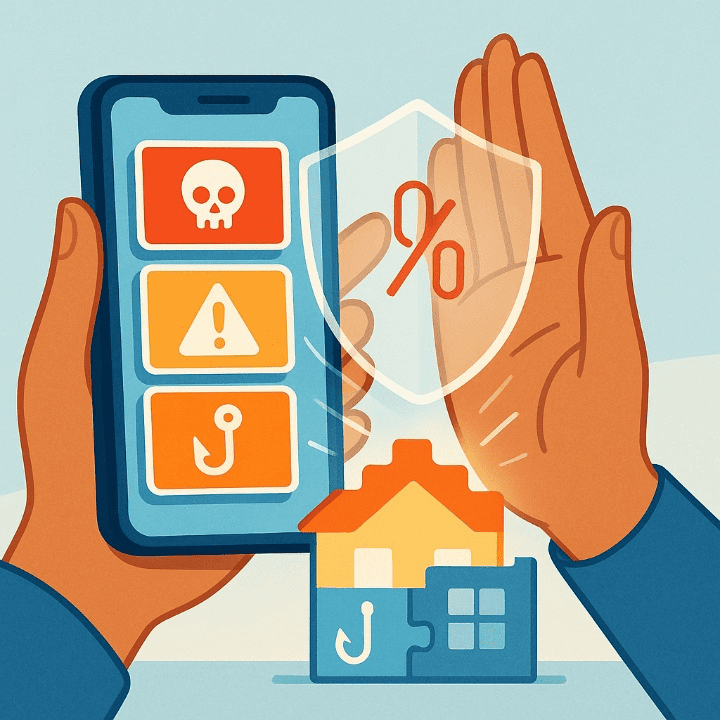
It happens in a split second. A text message appears on your screen with an urgent warning about your bank account. Then, an email lands in your inbox with an unbelievable investment opportunity. For a moment, your heart races. You feel a mix of fear and curiosity, and your finger hovers over the link. In that moment, you are the target of a scammer. In today’s digital world, financial scams have become incredibly sophisticated, moving beyond poorly worded emails from a foreign prince.
Modern scammers are masters of psychology. For example, they use urgency and fear to bypass our critical thinking. Therefore, protecting your finances is no longer just about budgeting and saving; it’s about developing a vigilant and informed mindset. This guide is your toolkit for financial protection. It is designed to help you recognize the red flags of a scam before you engage and to know what to do to keep your money safe.
The Psychology of a Scam: Why We Fall for Them
Before you can spot a scam, you need to understand the psychological tactics scammers use to manipulate their targets. They don’t prey on a lack of intelligence; instead, they prey on universal human emotions.
- Urgency: Phrases like “Act Now!” or “Limited Time Offer!” are designed to make you rush. Scammers want to create a sense of panic that overrides your logic, so you make a decision without thinking it through.
- Fear: This is one of their most powerful tools. They send warnings that your account has been compromised or that you owe money to the government. These threats trigger a fear response, making you more likely to comply with their demands to “fix” the problem.
- Authority: Scammers will often impersonate figures of authority, such as bank representatives or tech support agents. We are conditioned to trust these figures, and criminals exploit that trust.
- Hope and Greed: The promise of easy money is a timeless lure. Consequently, scams involving lottery wins or investments with guaranteed high returns appeal to our hope for a better financial future.
Recognizing these emotional triggers is the first step in building your defense. If a message makes you feel panicked or rushed, it’s time to pause and be extra skeptical.
A Field Guide to Common Financial Scams
While scammers are always inventing new schemes, many fall into a few common categories. Here are some of the most prevalent ones to watch out for:
1. Phishing and Smishing Scams
“Phishing” (via email) and “Smishing” (via SMS/text) are attempts to trick you into revealing sensitive information. A scammer sends a message that appears to be from a trusted source, like your bank or a delivery service. It will contain a link and an urgent reason for you to click it. However, the link leads to a fake website designed to steal your login credentials or credit card information.
2. Impersonation Scams
In these scams, a person calls or messages you pretending to be someone they’re not. They might claim to be from tech support, stating your computer has a virus they need to fix (for a fee). In other cases, they might pretend to be from a tax agency, demanding immediate payment to avoid arrest. A particularly cruel version is the “grandparent scam,” where they pretend to be a grandchild in trouble who desperately needs money.
3. “Too Good to Be True” Investment and Financing Scams
These schemes promise the impossible, like an investment with “guaranteed high returns and no risk.” Or, if you’re searching for a loan, you might find a fake company offering instant financing to anyone. The catch is almost always an upfront “processing fee” you must pay before you can receive the non-existent financing or investment returns.
Your Defense Toolkit: Universal Red Flags to Watch For
You don’t need to be an expert on every scam. Instead, learn to recognize these universal red flags present in almost every fraudulent attempt:
- Unsolicited Contact and Urgent Demands: Be suspicious if someone you don’t know contacts you and demands immediate action. Legitimate organizations do not operate this way.
- Requests for Personal Information: Your bank will never email or text you asking for your password or full credit card number. For this reason, never share this information in response to an unsolicited request.
- Unusual Payment Methods: A major red flag is a request for payment via an untraceable method. If someone demands you pay a bill with gift cards or a wire transfer, it is almost certainly a scam.
- Spelling and Grammar Mistakes: Official communications are usually professionally written. Emails and texts filled with typos often signal a scam.
- Offers That Seem Too Good to Be True: This is the oldest rule in the book. If an offer promises high returns for no risk, it’s a trap.
A Practical Scenario: How Alex Avoided a “Bank Fraud” Scam
Alex was at work when he received a text message: “FRM: BankFinancial >> MSG: Your account has been flagged for suspicious activity. To prevent suspension, please verify your identity immediately at: [link].”
His heart skipped a beat. He was worried someone had accessed his account and almost tapped the link. However, he paused. He remembered the red flags: the message was unsolicited and created a sense of urgency.
Instead of clicking, Alex closed the message. He then opened his official mobile banking app directly, which showed no alerts. To be absolutely sure, he flipped over his debit card and called the official customer service number listed there. The bank representative confirmed his account was fine and that the text message was a phishing attempt. By pausing and verifying the information independently, Alex protected his financial data.
What to Do If You’ve Been Scammed
If you suspect you’ve fallen victim to a scam, acting quickly can help mitigate the damage.
- Contact Your Financial Institutions: First, call your bank and credit card companies immediately. You should report the fraud, cancel any compromised cards, and inquire about stopping payments.
- Change Your Passwords: In addition, if you believe any of your login credentials have been compromised, change your passwords for those accounts.
- Report the Scam: It’s also important to report the incident to the relevant authorities, such as a consumer protection agency or the police. This can help prevent others from falling for the same scam.
- Place a Fraud Alert on Your Credit: Finally, contact one of the major credit bureaus and ask them to place a fraud alert on your credit report. This action makes it harder for scammers to open new accounts in your name.
Conclusion
In our complex digital world, a healthy dose of skepticism is one of your most valuable assets. The ultimate form of financial protection is, therefore, a well-informed and cautious mind. By understanding the psychology scammers use, learning to recognize the universal red flags, and knowing how to react calmly, you can build a strong defense. The goal is not to live in fear, but to navigate the world with a prepared and confident mindset, ensuring your hard-earned money stays securely yours.