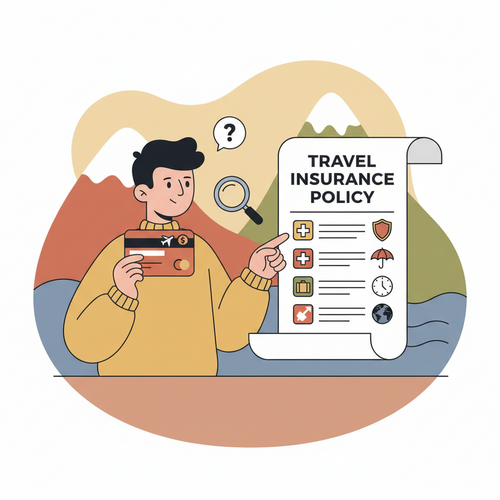
Credit card travel insurance coverage often appears as a convenient, complimentary perk. Many travelers, therefore, rely on these benefits when planning their adventures. However, understanding the true extent of this protection is paramount before embarking on any journey. This comprehensive analysis will delve into the nuances of credit card travel insurance, helping you determine if it truly offers adequate security for your specific needs.
Consequently, it is crucial for investors and financially savvy individuals to scrutinize these offerings. You must assess whether the “free” insurance aligns with the potential risks of your travel plans. Ignoring the fine print could lead to significant financial distress during an unforeseen incident abroad.
Understanding the Landscape of Credit Card Travel Insurance
The allure of travel insurance provided by your credit card is undeniably strong. Many premium credit cards advertise robust travel benefits, appealing to a wide range of consumers. People often choose cards based on these perceived advantages. However, the depth and breadth of this coverage can vary dramatically among different card issuers and tiers.
The Appeal of “Free” Coverage
For many, the primary appeal of credit card travel insurance lies in its cost. Since it’s included with your annual fee, it feels like a free bonus. This perception often leads travelers to assume they are fully protected without further investigation. High-tier credit cards, particularly those designed for frequent travelers, frequently boast an impressive list of travel-related perks.
Moreover, these benefits can include everything from airport lounge access to car rental insurance. Yet, the devil truly lies in the details. A careful review of your card’s specific terms and conditions is always recommended. This step ensures you avoid unpleasant surprises.
Key Types of Credit Card Travel Insurance Benefits
Credit card travel insurance typically encompasses several categories of protection. Each type addresses a distinct aspect of potential travel disruption. Knowing these categories helps you compare your card’s offering with standalone policies. Furthermore, this knowledge empowers you to make informed decisions about your financial security while traveling.
- Trip Cancellation/Interruption: This benefit reimburses non-refundable expenses if your trip is canceled or cut short due to covered reasons. Such reasons typically include illness, severe weather, or unexpected job loss. Nevertheless, the specific events covered are often narrowly defined.
- Rental Car Insurance (Collision Damage Waiver – CDW): Many cards provide secondary coverage for damage or theft of a rental car. This means it kicks in after your personal car insurance. Some premium cards offer primary coverage, which is more advantageous. Always decline the rental company’s CDW if your card provides primary coverage, but verify beforehand.
- Lost/Delayed Baggage: If your checked luggage is lost or delayed by the airline, this coverage can provide reimbursement for essential items. There are usually strict limits on the maximum payout. Additionally, there’s often a waiting period before delayed baggage coverage applies.
- Travel Medical Emergency: This is a critical area where credit card coverage is frequently limited or absent. Some cards offer emergency medical assistance or evacuation, but rarely comprehensive medical treatment. Thus, relying solely on your credit card for medical emergencies abroad can be extremely risky.
- Travel Accident Insurance: This benefit provides a payout in the event of accidental death or dismemberment while traveling. It’s often a fixed sum and can offer a safety net for beneficiaries. However, it does not cover medical expenses for injuries.
- Evacuation Coverage: In severe cases, such as a medical emergency in a remote area, some cards offer emergency medical evacuation. This can be a lifesaver, but the conditions and destinations covered are often very specific. Therefore, confirming these details is essential.
Deciphering the Details: What to Look For
The true value of your credit card travel insurance lies within its specific terms. Disregarding these details can lead to significant financial exposure. Therefore, a meticulous examination of your card’s “Guide to Benefits” is not merely suggested but absolutely necessary. This document outlines the precise scope of your protection.
Coverage Limits: Is It Enough?
One of the most significant distinctions between credit card insurance and a dedicated travel insurance policy involves coverage limits. Credit card benefits often come with lower maximum payouts. For instance, trip cancellation might be capped at $5,000 per person, while a comprehensive policy could cover tens of thousands. Rental car CDW might also have a maximum vehicle value it covers.
Consequently, for expensive trips or those involving high-value assets, credit card limits might be woefully insufficient. You must weigh the cost of your trip against the maximum reimbursement offered. If your trip costs $15,000, and your card only covers $5,000, you bear the risk for the remaining $10,000. For further comparison on insurance types, Investopedia provides excellent resources on travel insurance options. You can explore more at Investopedia Travel Insurance.
Eligibility Requirements and Exclusions
Understanding who and what is covered, along with specific exclusions, is vital. Credit card insurance nearly always requires you to pay for the entire trip using that specific card. Failing to do so can invalidate your coverage. Additionally, coverage typically extends to the primary cardholder and immediate family members traveling together. However, definitions of “immediate family” can differ.
Exclusions are equally important. Pre-existing medical conditions are a common exclusion in many credit card travel medical benefits. Furthermore, high-risk activities like skydiving or heli-skiing are often not covered. Certain destinations, particularly those under travel advisories from government agencies such as the U.S. Department of State, may also be excluded. Always check the official government travel advisories for your destination. The U.S. Department of State provides detailed advisories at Travel Advisories.
Primary vs. Secondary Coverage
The distinction between primary and secondary coverage is particularly relevant for rental car insurance. Secondary coverage means your credit card will only pay out after your personal car insurance policy has been exhausted. This can impact your personal insurance premiums, as filing a claim through your own policy might increase them. On the other hand, primary coverage pays first, before any other insurance policies.
Therefore, if your card offers secondary coverage for rental cars, your personal auto insurance policy would be the first line of defense. This detail is often overlooked but carries significant financial implications. Always confirm whether your card provides primary or secondary rental car CDW. This due diligence can save you considerable hassle and potential costs.
When Credit Card Coverage Falls Short
While convenient, credit card travel insurance often has limitations that can leave travelers exposed. Recognizing these gaps is essential for making informed decisions about your overall travel protection strategy. Many people mistakenly believe their card covers everything. Unfortunately, this is rarely the case.
Gaps in Medical Protection
This is arguably the most critical area where credit card coverage often falls short. Most credit cards offer very limited, if any, comprehensive travel medical insurance. They might provide emergency medical evacuation, but not cover the hospital bills for a sudden illness or accident abroad. International medical costs can quickly escalate into hundreds of thousands of dollars. A simple appendectomy in a foreign country, for example, could cost a fortune.
Consequently, if you experience a severe medical emergency without dedicated travel medical insurance, you could face immense debt. Relying on your credit card for this aspect of coverage is a significant gamble. For robust medical protection, a standalone travel medical policy or comprehensive travel insurance is almost always necessary. Reuters often reports on the rising costs of healthcare, including international medical expenses, emphasizing the need for proper insurance. You can read more about global economic trends, including healthcare costs, at Reuters.
High-Risk Activities and Destinations
Many adventurous pursuits, popular among thrill-seeking travelers, are explicitly excluded from credit card insurance. Activities such as scuba diving, mountaineering, bungee jumping, or even motorcycling without the proper license are frequently not covered. If your travel plans involve any such activities, your credit card benefits are unlikely to provide protection for incidents related to them.
Moreover, travel to regions experiencing political unrest, war, or natural disasters might also void your coverage. Before traveling to any potentially volatile area, meticulously check your card’s exclusion list. Your travel insurance should align with the activities and destinations of your trip. Ignoring these specific exclusions can leave you completely unprotected.
Insufficient Limits for Major Incidents
For truly catastrophic events, the coverage limits of credit card insurance can prove inadequate. Imagine a scenario where you need an emergency medical evacuation from a remote location, followed by extensive medical treatment, and your entire trip is canceled. The combined costs could easily exceed the modest limits offered by a credit card. Even significant flight delays and lost baggage claims might exceed the caps, particularly for longer or more expensive trips.
Therefore, for high-value trips or those with inherent risks, supplementary insurance becomes imperative. A comprehensive travel insurance policy is designed to offer much higher limits across various categories. It provides a more robust financial safety net against major unforeseen events. Always consider the potential worst-case scenarios and evaluate if your card’s limits can truly cover them.
Bridging the Gap: Complementing Your Card’s Benefits
Recognizing the limitations of credit card travel insurance is the first step toward smart financial planning for your trips. Fortunately, you don’t have to choose between convenience and comprehensive protection. A strategic approach involves leveraging your credit card benefits while supplementing them where necessary. This method ensures robust coverage without unnecessary duplication.
Purchasing Supplemental Travel Insurance
For many travelers, particularly those undertaking international trips, adventure travel, or expensive journeys, purchasing a standalone travel insurance policy is a wise decision. These policies offer higher limits, broader coverage, and crucial medical benefits often lacking in credit card offerings. You can choose from various types of policies, tailored to specific needs.
For example, a comprehensive policy covers trip cancellation, interruption, medical emergencies, baggage, and more. Alternatively, you might opt for a medical-only policy if your primary concern is health coverage abroad. This strategy effectively fills the gaps left by your credit card, providing a complete safety net. Ultimately, investing in supplemental insurance offers peace of mind.
Reading the Fine Print: Your Card’s Guide to Benefits
Above all, the most critical step in understanding your credit card travel insurance is to read its “Guide to Benefits” thoroughly. This document is usually available on your card issuer’s website or by contacting their customer service. It details precisely what is covered, what isn’t, the limits, and the claims process. Ignoring this document means operating in the dark.
Furthermore, pay close attention to the terms regarding eligibility, exclusions, and how to activate coverage. Many benefits require you to book the entire trip with the card to be valid. In case of doubt, never hesitate to call your credit card issuer directly. Their representatives can clarify specific clauses and help you understand your protection. This proactive approach prevents costly misunderstandings and ensures you are genuinely covered.
Conclusion
In conclusion, while your credit card may offer travel insurance, it is rarely a one-size-fits-all solution. The convenience of “free” coverage should not overshadow the critical need for comprehensive protection. Understanding the specific benefits, limitations, and exclusions of your card’s policy is absolutely essential. For many travelers, especially those embarking on international or adventurous journeys, supplemental travel insurance remains a vital investment.
Therefore, always scrutinize your credit card’s offerings, compare them against your specific travel risks, and consider bridging any significant gaps with a dedicated policy. Ultimately, informed decision-making regarding your travel insurance ensures peace of mind, protecting your financial well-being against the unforeseen challenges of travel. Don’t leave your travel security to chance; take control of your coverage today.