Introduction
Buying a new car brings excitement and the thrill of a fresh start. There is nothing quite like the smell of a new interior or the smooth feel of a brand-new engine. However, beneath the shine and new car smell, a critical financial consideration often gets overlooked: the rapid depreciation of your vehicle. This quick loss in value can create a significant financial risk, especially if your car is involved in an accident or stolen shortly after purchase.
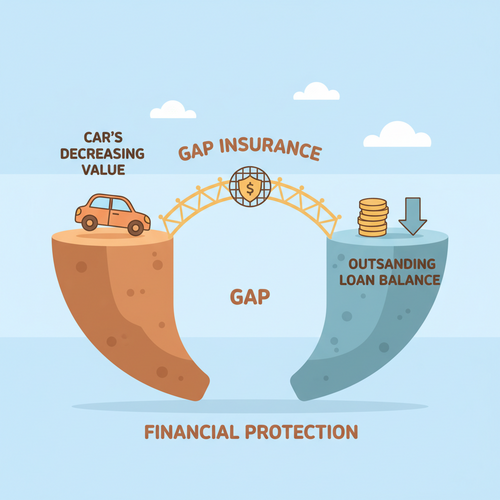
Imagine this scenario: you drive off the lot in your dream car, financed with a loan. A few months later, an unfortunate event totals your vehicle. Your standard auto insurance pays out its actual cash value, which is often much less than what you still owe on your loan. This is where Gap Insurance steps in, bridging the financial void between what your car is worth and your outstanding loan balance.
This comprehensive guide will explore the intricacies of Gap Insurance, detailing how it works, when it is most beneficial, and whether its cost is justified for your new car. We will delve into various factors that influence its necessity, allowing you to make an informed decision for your financial well-being.
Understanding Gap Insurance: What It Is and How It Works
The Depreciation Dilemma
New cars begin to lose value the moment they are driven off the dealership lot. This phenomenon is known as depreciation. Some sources suggest that a new car can lose 20-30% of its value within the first year alone. This rapid decline in worth means that for many new car buyers, especially those with small down payments or long loan terms, the amount owed on the car can quickly exceed its actual market value. This creates what is commonly referred to as “negative equity.”
For example, if you purchase a car for $30,000 with a $2,000 down payment, you finance $28,000. Within a year, your car might be worth only $22,000 due to depreciation, while your loan balance could still be around $25,000 after payments. This $3,000 difference is your negative equity, a gap that standard car insurance does not cover.
The Role of Gap Insurance
Gap (Guaranteed Asset Protection) Insurance is an optional auto insurance policy that covers the difference between the actual cash value (ACV) of your vehicle and the outstanding balance of your auto loan or lease in the event of a total loss. This means if your car is stolen or totaled in an accident, Gap Insurance helps ensure you are not left paying for a car you no longer own.
Standard car insurance policies, such as collision and comprehensive coverage, typically pay out the car’s ACV at the time of the loss. If your ACV is less than your loan balance, you would be responsible for paying the remaining amount out of pocket. Gap Insurance steps in to cover this “gap,” preventing you from facing a substantial financial burden. It provides a crucial safety net for new car owners.
When Gap Insurance Kicks In
Gap Insurance specifically applies in situations where your vehicle is deemed a total loss. This includes:
- Totaled in an accident.
- Stolen and not recovered.
- Damaged beyond repair due to natural disasters like floods or fires.
It is important to understand that Gap Insurance is not a substitute for your primary auto insurance. It only comes into play after your primary insurer has paid out the actual cash value of your vehicle. Furthermore, it typically does not cover deductibles, missed payments, extended warranties, or other add-ons that were rolled into your original loan. Always review the policy details carefully to understand its specific coverages and limitations.
Factors Influencing the Need for Gap Insurance
Deciding if Gap Insurance New Cars is right for you involves evaluating several key factors related to your vehicle purchase and financing terms. These elements collectively determine your risk of accumulating negative equity.
High Loan-to-Value Ratio
One of the primary indicators for needing Gap Insurance is a high loan-to-value (LTV) ratio. This occurs when the amount you finance is close to or exceeds the car’s purchase price. Situations that lead to a high LTV include:
- Little or No Down Payment: If you put down less than 20% of the car’s value, you start with less equity.
- Long Loan Terms: Loans extending over 60 months (e.g., 72 or 84 months) mean slower equity accumulation. Your car depreciates faster than you pay down the principal.
- High Interest Rates: A higher interest rate means more of your early payments go towards interest, further slowing down principal reduction.
In these scenarios, the risk of owing more than the car is worth for an extended period is significantly higher. Gap Insurance offers essential protection during this vulnerable phase.
Rapid Depreciation Models
While all new cars depreciate, some models lose value more quickly than others. Luxury cars, certain sports cars, and vehicles with very specific features can sometimes experience more aggressive depreciation. Before purchasing, it is wise to research the depreciation rates for the specific make and model you are considering. Websites like Kelley Blue Book or Edmunds often provide tools and information on vehicle depreciation trends.
If your chosen vehicle is known for rapid value loss, Gap Insurance becomes an even more prudent consideration. It acts as a buffer against this financial erosion.
Leased Vehicles
For those who lease a car, Gap Insurance is almost always a requirement or, at the very least, highly recommended. Lease agreements inherently carry a high risk of negative equity because you are essentially paying for the car’s depreciation over the lease term, not building equity in the traditional sense. If a leased vehicle is totaled, you are still responsible for the remaining lease payments and any early termination fees, which can be substantial. Gap coverage in this context protects you from these unexpected costs, ensuring you can walk away without further financial obligation.
Negative Equity Rollover
Sometimes, when trading in an old car for a new one, buyers might still owe money on their trade-in that exceeds its value. This outstanding balance, known as negative equity, can be rolled into the financing of the new car. When this happens, you immediately start with a higher loan balance than the new car’s value. This situation significantly increases the need for Gap Insurance, as you are starting with a substantial gap that will only widen with depreciation.
The Cost of Gap Insurance: What to Expect
Understanding the cost of Gap Insurance New Cars is crucial for determining its worth. Prices can vary significantly based on where you purchase the policy and various personal factors.
Dealer vs. Insurer vs. Third-Party
You typically have a few options when buying Gap Insurance:
- Dealership: Many car dealerships offer Gap Insurance as an add-on during the financing process. While convenient, these policies can sometimes be more expensive, and the cost might be rolled into your car loan, meaning you pay interest on it.
- Primary Auto Insurer: Most major auto insurance companies offer Gap Insurance as an endorsement or rider to your existing policy. This is often the most affordable option, as insurers tend to have competitive pricing and you are bundling it with your current coverage.
- Third-Party Providers: Specialized companies also offer Gap Insurance policies. It is worth comparing their rates and terms with those from your primary insurer and the dealership.
Always get quotes from multiple sources to ensure you are getting the best value. This comparison can save you a significant amount of money over the life of the policy.
Factors Affecting Premiums
Several elements can influence the premium you pay for Gap Insurance:
- Vehicle Value: More expensive cars often have higher Gap Insurance premiums due to the larger potential “gap.”
- Loan Amount and Term: A larger loan or a longer loan term typically correlates with a higher premium, as the risk of a significant gap is increased.
- Driving Record and Location: While less impactful than for primary auto insurance, your driving history and where you live can still play a minor role.
- Deductible: Some Gap policies might have a deductible, though many simply cover the gap without one.
Generally, Gap Insurance is relatively inexpensive compared to the potential financial loss it mitigates. It provides immense peace of mind for a modest annual or one-time fee.
Typical Costs
While prices vary, Gap Insurance obtained through your primary insurer often costs as little as $20-$60 per year. If purchased from a dealership, it might be a one-time fee of $500-$700, which can then be added to your loan. This means you will pay interest on that fee, increasing the overall cost. For example, a $600 policy financed over 60 months at a 5% interest rate could end up costing you an extra $75 in interest, bringing the total to $675. Always consider the total cost, including any interest, when evaluating options.
Is Gap Insurance Worth the Cost for Your New Car? A Decision Framework
Deciding whether Gap Insurance New Cars is a worthwhile investment hinges on your personal financial situation and the specifics of your vehicle purchase. It is about weighing the added cost against the potential risk and peace of mind it offers.
Pros of Gap Insurance
- Financial Protection: It prevents you from having to pay out-of-pocket for a vehicle you no longer own, covering potentially thousands of dollars.
- Peace of Mind: Knowing you are covered against the financial impact of depreciation in case of a total loss provides significant reassurance.
- Avoids Negative Equity: It stops you from being “upside down” on your loan, which can be particularly damaging if you need to buy another car soon after a total loss.
- Especially Useful for Leases: Often a wise, if not mandatory, choice for leased vehicles due to their unique financial structure.
Cons of Gap Insurance
- Additional Cost: It is an extra expense on top of your standard insurance premiums or car payments.
- May Not Always Be Needed: If you put down a large down payment (20% or more) or have a short loan term, you might build equity quickly enough to negate the need for it.
- Coverage Limitations: It does not cover deductibles, mechanical repairs, or a rental car. It strictly covers the gap between ACV and loan balance.
- Decreases in Value Over Time: As your car loan balance decreases and equity builds, the “gap” shrinks, making the policy less necessary later in the loan term.
When You Likely Need It
Consider Gap Insurance strongly if any of these apply to you:
- You made a minimal down payment (less than 20%).
- You financed your car for a long term (60 months or more).
- You rolled negative equity from a previous car loan into your new car financing.
- Your car model is known for rapid depreciation.
- You have a high interest rate on your car loan.
- You are leasing a vehicle.
When You Might Not Need It
You may safely skip Gap Insurance if:
- You made a substantial down payment (20% or more).
- You have a short loan term (36-48 months) and are rapidly building equity.
- You purchased a used car, where initial depreciation has already occurred.
- You have sufficient liquid savings in an emergency fund to cover a potential gap.
Alternatives to Gap Insurance
While Gap Insurance New Cars offers a robust safety net, there are proactive financial strategies you can employ to minimize your risk of negative equity and potentially avoid the need for this coverage altogether.
Larger Down Payment
Perhaps the most effective way to reduce your need for Gap Insurance is to make a larger down payment. By putting down 20% or more of the vehicle’s purchase price, you immediately start with positive equity. This cushion helps offset the initial depreciation, significantly narrowing or even eliminating the gap between what you owe and the car’s actual value from day one. Saving up for a larger down payment is a sound financial move, especially for a depreciating asset like a car.
Shorter Loan Term
Opting for a shorter loan term, such as 36 or 48 months, instead of 60 or 72 months, accelerates your equity building. With a shorter term, your monthly payments are higher, but a greater portion goes towards reducing the principal balance faster. This strategy helps you outpace depreciation, reducing the period during which you are at risk of owing more than the car is worth. A shorter loan also means less total interest paid over the life of the loan.
Paying Extra on Your Principal
Even if you choose a longer loan term, you can strategically reduce your negative equity risk by consistently paying more than your minimum monthly payment. Ensure these extra payments are applied directly to the loan’s principal balance. This accelerates the rate at which you build equity, diminishing the potential gap. This method requires discipline but offers flexibility to adjust your extra payments based on your financial situation.
Buying a Used Car
Consider purchasing a reliable used car instead of a brand new one. Used cars have already undergone their most significant depreciation during the first few years of their life. This means when you buy a used vehicle, you are typically acquiring it closer to its stable market value, significantly reducing your exposure to the rapid depreciation that makes Gap Insurance so relevant for new cars. Reputable sources like NHTSA provide safety ratings for both new and used vehicles, helping you make an informed choice.
Conclusion
The decision to purchase Gap Insurance New Cars is a personal one, deeply tied to your financial circumstances and the specific details of your vehicle purchase. While the allure of a new car is undeniable, the immediate depreciation it experiences presents a genuine financial risk. Gap Insurance serves as a vital safeguard, protecting you from potentially burdensome out-of-pocket expenses should your new car be totaled or stolen early in its ownership.
Carefully evaluate your loan-to-value ratio, the car’s depreciation rate, and your financial readiness to cover a potential shortfall. If you make a small down payment, finance for a long term, or roll over negative equity, Gap Insurance can offer invaluable peace of mind. Conversely, if you have substantial equity from the outset or a robust emergency fund, you might find it an unnecessary expense.
Ultimately, a prudent financial approach involves understanding all your options. Compare quotes from different providers, consider alternatives to mitigate depreciation risk, and make a choice that aligns with your long-term financial stability. By doing so, you ensure that the joy of owning a new car is not overshadowed by unforeseen financial liabilities.