Navigating the world of mental health care can feel overwhelming, especially when you’re looking for options that fit your budget. Many people wonder if they can truly afford the support they need. Fortunately, affordable mental health care is more accessible than ever before.
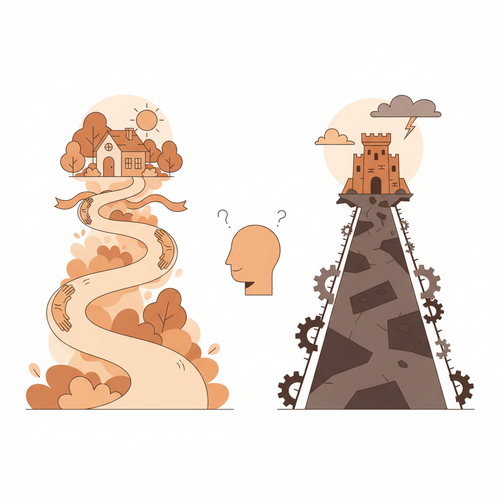
The biggest question often boils down to two main choices: online therapy or traditional in-person sessions. Both have unique benefits and drawbacks that are important to consider. I’ve seen firsthand how crucial it is to understand each option before making a decision.
Quick Summary: Finding Your Best Therapy Fit
- 💡 Online therapy often offers greater affordability and flexibility, making mental health support more accessible from anywhere.
- 🤝 In-person therapy provides a traditional, direct connection, which some find crucial for deeper engagement and comfort.
- ⚖️ Your ideal choice depends on personal needs, budget, and comfort level, so consider both carefully.
Pro Tip: Check Your Insurance First! Even if you think therapy is too expensive, always verify your insurance coverage for mental health services. Many plans now cover both online and in-person sessions, significantly reducing your out-of-pocket costs.
The Rise of Online Therapy
Online therapy, also known as telehealth or teletherapy, has grown dramatically in popularity, especially in recent years. It allows you to connect with a licensed therapist or counselor through video calls, phone calls, or even text messages. This flexibility means you can receive support from the comfort of your own home or any private space.
One of the most compelling advantages of online therapy is its potential for affordability. Without the overhead costs associated with a physical office, many online platforms and individual therapists can offer lower rates. You might find sessions that are significantly less expensive than traditional in-person visits.
- ✅ Convenience: Attend sessions from anywhere, saving time on travel.
- ✅ Accessibility: Great for those in rural areas or with mobility issues.
- ✅ Cost-Effective: Often cheaper than in-person therapy, with various subscription models.
- ✅ Anonymity: Some people feel more comfortable opening up in a familiar environment.
- ❌ Technology Dependence: Requires a stable internet connection and suitable device.
- ❌ Less Personal Connection: Some individuals prefer the physical presence of a therapist.
- ❌ Privacy Concerns: Ensuring a private space at home can be challenging for some.
Beyond cost, the sheer convenience of online therapy is a game-changer for many busy individuals. You can often schedule appointments that fit seamlessly into your workday or home life. This ease of access removes common barriers like commuting or childcare arrangements.
However, it’s not always a perfect fit for everyone. Some people report feeling a less robust connection with their therapist through a screen. It’s important to consider your own communication style and what makes you feel most supported.
The Value of In-Person Therapy
Traditional in-person therapy has been the cornerstone of mental health support for decades. It involves meeting with a therapist face-to-face in a dedicated office setting. For many, this traditional approach offers a unique sense of comfort and direct engagement.
The physical presence of a therapist can foster a powerful therapeutic alliance. There’s an undeniable human element to being in the same room, which can enhance non-verbal cues and deepen the sense of connection. I’ve observed that some clients feel a greater sense of privacy and focus away from their home distractions.
- 👍 Stronger Connection: Many feel a deeper rapport and trust with in-person interactions.
- 👍 Dedicated Space: A therapist’s office provides a neutral, private, and distraction-free environment.
- 👍 Non-Verbal Cues: Easier for therapists to pick up on subtle body language and vice versa.
- 👍 Crisis Management: Sometimes better equipped for immediate crisis intervention.
- 👎 Higher Cost: Generally more expensive due to office overheads.
- 👎 Less Convenient: Requires travel, time off work, and adherence to fixed schedules.
- 👎 Limited Access: Fewer options in rural areas or for those with mobility challenges.
While the benefits are clear, the cost of in-person therapy can be a significant hurdle for many. Sessions can range from $75 to $200 or more per hour, depending on location and the therapist’s experience. This higher price point often requires careful budgeting or robust insurance coverage.
Logistics also play a role; commuting to appointments can be time-consuming and add to stress. Finding a therapist with availability that matches your schedule can also be challenging. Despite these challenges, the face-to-face dynamic remains invaluable for many seeking support.
Warning: Not All Platforms Are Equal! If you choose online therapy, research platforms and individual therapists thoroughly. Look for licensed professionals with good reviews and credentials. Avoid platforms that promise quick fixes or seem too good to be true.
Online Therapy vs. In-Person: A Detailed Comparison
To help you weigh your options, here’s a breakdown of how online and in-person therapy stack up against each other:
| Feature | Online Therapy | In-Person Therapy |
|---|---|---|
| Cost per Session | Often $30-$100 (subscription/per session) | Typically $75-$250+ (per session) |
| Convenience | High (from anywhere, flexible scheduling) | Lower (requires travel, fixed appointments) |
| Accessibility | Very High (good for remote areas, mobility issues) | Limited (depends on local availability) |
| Privacy | Depends on home environment, platform security | Dedicated, confidential office space |
| Therapist Connection | Can be good, but some prefer face-to-face | Often stronger, direct human interaction |
| Crisis Support | Referrals for local crisis services | Sometimes offers immediate in-office support |
| Technology Needed | Reliable internet, device (phone/computer) | None, just physical presence |
This table highlights key differences that can influence your decision. It’s not about one being definitively “better,” but rather which aligns more with your individual circumstances and preferences.
Making Your Personal Choice
Choosing between online and in-person therapy is a deeply personal decision, and there’s no single “right” answer. Your ideal path depends on several factors specific to your life. Consider what truly matters most to you in a therapeutic relationship.
For some, the flexibility and lower cost of online options are undeniable advantages that make therapy possible. For others, the traditional, dedicated space and physical presence of an in-person session are non-negotiable. I often advise people to list their priorities before deciding.
- 🤔 Your Budget: Can you afford higher in-person costs, or do you need a more budget-friendly online option?
- ⏰ Your Schedule: Do you need extreme flexibility, or can you commit to regular travel times?
- 🏠 Your Home Environment: Can you ensure a private, distraction-free space for online sessions?
- 🗣️ Your Comfort Level: Do you feel more comfortable sharing sensitive information face-to-face or via a screen?
- 🌍 Your Location: Do you live in an area with many local therapy options, or is online your best bet for access?
- 🚨 Your Needs: Are you dealing with severe mental health issues that might benefit from more intensive, in-person support?
Ultimately, the most important thing is to seek support when you need it. Both online and in-person therapy can be incredibly effective tools for improving your mental well-being. Don’t let concerns about cost or access prevent you from taking the first step.
Explore resources like the American Psychological Association to find licensed professionals in your area or reputable online platforms. Remember, your mental health is an investment worth making. It’s a journey, and finding the right guide is key.
Find a Therapist on Psychology Today |
Learn More from the American Psychological Association |
Explore Finance News on Bloomberg |
Health Information from Mayo Clinic
Conclusion
Choosing between online therapy and in-person therapy for affordable mental health care is a personal journey. Both avenues offer valid and effective ways to gain support and improve your well-being. Your decision should be guided by your specific needs, financial situation, and what makes you feel most comfortable and secure. Take the time to research, perhaps try a consultation, and trust your instincts.
Which option do you think aligns best with your current lifestyle and mental health goals?