Introduction
Planning a trip often presents a fundamental choice: should you book through your credit card’s travel portal or go directly to the airline, hotel, or car rental company? This decision, often overlooked, can significantly impact your travel budget and overall experience. For the astute traveler and investor, understanding the financial implications of each method is crucial.
Both approaches offer distinct advantages and potential pitfalls. Credit card travel portals promise convenience and the allure of point redemption multipliers. Meanwhile, direct booking emphasizes loyalty benefits, flexibility, and direct customer service. Deciding between credit card travel portals vs. direct booking requires a thorough cost analysis, extending beyond just the sticker price.
This article will delve into the intricacies of each booking method. We will dissect their true costs, uncover hidden values, and help you make informed decisions for your next adventure. Ultimately, our goal is to empower you to maximize your travel budget and enjoy a seamless journey.
Understanding Credit Card Travel Portals
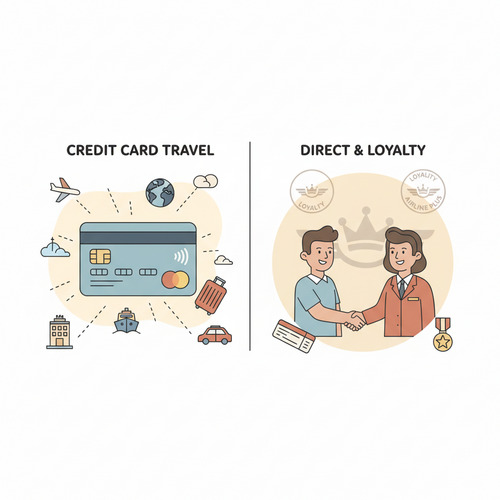
Credit card travel portals are online platforms provided by credit card issuers. These platforms allow cardholders to book flights, hotels, car rentals, and sometimes even experiences using their accumulated rewards points, cash back, or a combination of both. Popular examples include Chase Ultimate Rewards, American Express Travel, and Capital One Travel.
How Travel Portals Work
When you use a travel portal, you are essentially making a purchase through a third party. The value of your points can vary greatly. Some cards offer a fixed redemption rate, perhaps 1 cent per point. Other premium cards might provide a higher value, like 1.25 cents or 1.5 cents per point when redeemed through their specific portal. This multiplier is often a major draw for many cardholders.
- Point Redemptions: You can often cover the entire cost of travel with points.
- Cash & Points: Many portals allow you to pay a portion with points and the rest with cash.
- Exclusive Deals: Some portals advertise special rates or bundled packages.
However, it’s important to note that while these portals are linked to your credit card, they operate similarly to Online Travel Agencies (OTAs) like Expedia or Priceline. They aggregate inventory from various providers, but the booking contract is with the portal, not always directly with the travel vendor.
Perceived Benefits of Portals
The primary advantage of using a travel portal is the perceived value of your points. For instance, if your points are worth 1.5 cents each through the portal, a $300 flight only costs 20,000 points. This can feel like a significant discount, especially when compared to redeeming points for a statement credit, which typically offers only 1 cent per point.
Additionally, portals can offer a one-stop shop for all your travel needs. You might book your flight, hotel, and car rental in a single transaction. This convenience can save time and simplify the planning process for some travelers. Some portals also offer price match guarantees or dynamic pricing tools that claim to get you the best deal.
The Case for Direct Booking
Direct booking involves making reservations directly with the service provider. This means visiting the airline’s website, calling the hotel directly, or using the car rental company’s official portal. This traditional method remains a strong contender, particularly for those who value flexibility and loyalty rewards.
Benefits of Booking Directly
Booking directly often comes with a suite of benefits that are not available through third-party portals. A key advantage is participation in loyalty programs. Airlines, hotels, and car rental companies all offer programs that reward frequent customers. Booking direct allows you to earn points, miles, or elite status credits that can lead to future perks.
- Earning Loyalty Points: Accumulate points with the specific airline, hotel, or car rental company.
- Elite Status Recognition: Qualify for and enjoy benefits like free upgrades, late check-out, and lounge access.
- Direct Communication: You have a direct relationship with the service provider, which simplifies inquiries or changes.
- Better Flexibility: Modifications and cancellations are often easier and less complicated.
For example, a hotel may not recognize your elite status if you booked through a third-party portal. They might even deny certain benefits. Booking direct ensures that your loyalty is acknowledged and rewarded.
Control and Customer Service
When you book directly, you maintain greater control over your reservation. If there’s a flight delay, a hotel issue, or a problem with your car rental, you deal directly with the company responsible. This can streamline problem resolution. Third-party bookings often add an extra layer of communication, requiring you to contact the portal first, which then contacts the vendor. This can lead to delays and frustration.
Additionally, airlines and hotels sometimes hold back their best rates or special promotions for direct bookings. They want to incentivize customers to come to them first. This means that while portals may offer point multipliers, the base price might sometimes be higher than what you could find directly. Always compare before committing.
A Detailed Cost Analysis: Key Considerations
To truly understand the better option between credit card travel portals vs. direct booking, a detailed cost analysis is essential. It goes beyond the initial price tag and considers various factors that impact your overall travel expense and experience.
Price Discrepancy: Are Portal Prices Truly Lower?
One common misconception is that travel portals always offer the lowest prices. While they often present competitive rates, this is not universally true. Portals sometimes mark up prices to cover their operational costs or to factor in the point redemption value. Therefore, a direct comparison is always necessary.
Savvy travelers should always perform a side-by-side comparison. Check the price on the credit card portal, the airline’s website, and independent flight search engines simultaneously. You might find that the cash price directly from the provider is actually lower, even after factoring in point multipliers.
Dynamic pricing further complicates this. Prices can change rapidly based on demand, time of day, and even the device you are using. This makes real-time comparison critical for securing the best deal.
Loyalty Points & Elite Status: The Hidden Value
This is where the direct booking method often shines. When you book directly with an airline or hotel, you earn points or miles in their respective loyalty programs. These points contribute towards earning elite status. Elite status can unlock significant benefits, such as:
- Complimentary room upgrades.
- Free checked bags.
- Priority boarding and check-in.
- Access to exclusive lounges.
- Waived fees and special amenities.
Booking through a third-party portal, including credit card portals, typically means you will not earn these loyalty points or elite night credits. The value of these loyalty perks can easily outweigh the marginal gain from a point multiplier in a travel portal. For frequent travelers, maintaining or achieving elite status offers tangible, recurring benefits.
Cancellation & Changes: Flexibility Costs
Travel plans can change unexpectedly. This is where booking directly often provides a superior experience. Airlines and hotels are generally more accommodating when you book with them directly. They can make changes, process cancellations, and issue refunds much more efficiently.
With a portal booking, any change or cancellation request must typically go through the portal first. This adds an extra step and can complicate the process, especially if deadlines are tight. The portal might have its own cancellation policies, which could differ from the actual vendor’s. For instance, a hotel might offer free cancellation up to 24 hours prior, but the portal might impose an earlier deadline or a fee.
Consider the potential costs of inflexibility. If you need to change a flight and the portal adds a service fee, that directly impacts your budget. Direct bookings often provide greater peace of mind and more straightforward resolution when unforeseen circumstances arise.
Hidden Fees & Surcharges
Always read the fine print, regardless of your booking method. However, travel portals can sometimes introduce their own fees or make certain fees less transparent. For example, some portals might not include resort fees for hotels in the initial quoted price, only to reveal them at checkout or upon arrival.
When booking directly, the pricing is usually more transparent. What you see on the airline or hotel’s website is generally what you pay. Be vigilant when comparing prices to ensure you are looking at the total cost, including all taxes and potential fees. The Consumer Financial Protection Bureau often provides guidance on understanding various financial products and services, including those related to travel.
Customer Service: Whom to Contact When Things Go Wrong
This is arguably one of the most significant factors, especially when unforeseen issues arise. When you book directly, you have one point of contact: the airline, hotel, or car rental company. If your flight is canceled, your hotel reservation is missing, or there’s an issue with your car, you call them directly.
When you book through a third-party portal, the chain of command becomes more complex. You might need to contact the portal’s customer service, who then contacts the vendor on your behalf. This can be time-consuming and frustrating, especially in urgent situations. During peak travel times or major disruptions, this additional communication layer can be a severe disadvantage.
Many travelers prioritize the peace of mind that comes with direct access to the service provider, especially for complex or international itineraries where issues might be more prone to occur. For critical trips, or when significant investment is involved, having direct lines of communication is invaluable.
Maximizing Value: A Hybrid Approach?
The decision between credit card travel portals vs. direct booking doesn’t have to be an either/or scenario. A hybrid approach often yields the best results, leveraging the strengths of each method for different situations. Smart financial planning extends to optimizing every travel dollar.
When to Use Travel Portals
Travel portals can be incredibly valuable in specific contexts:
- High Point Multipliers: If your credit card offers a significantly enhanced redemption value through its portal (e.g., 1.5x points), and the cash price is comparable, this can be a great use of points.
- “Free” Travel: For trips where you want to cover the entire cost with points, portals offer a straightforward way to do so without worrying about cash outflow.
- Non-Loyalty Travel: If you are flying an airline or staying at a hotel chain where you have no loyalty status and no plans to achieve it, the direct booking benefits might be negligible.
- Bundle Deals: Sometimes, portals offer attractive bundles for flights and hotels that might be hard to replicate separately. Always cross-reference the individual prices, however.
Consider using portals for one-off trips or when you have a surplus of points you want to burn efficiently. For instance, booking a regional flight on an airline you rarely use might be ideal for a portal redemption.
When to Book Direct
Direct booking often proves superior for scenarios where loyalty, flexibility, and service are paramount:
- Loyalty Program Participation: If you are loyal to a specific airline or hotel chain and want to earn points or maintain elite status, direct booking is almost always the better choice.
- Complex Itineraries: Multi-leg flights, international travel, or trips with many components are best booked directly for ease of modification and problem-solving.
- Important or High-Value Trips: For honeymoons, business travel, or significant family vacations, the peace of mind from direct customer service is invaluable.
- When Flexibility is Key: If your travel dates or plans are uncertain, booking directly with lenient cancellation policies can save you money and stress.
- Finding the Absolute Lowest Cash Price: Often, you can find better cash deals or exclusive promotions directly on the vendor’s website.
For example, if you frequently fly United Airlines, booking directly on United.com allows you to earn MileagePlus points and contribute to your Premier status, unlocking benefits that a portal booking would typically bypass. Similarly, for hotel stays where you aim for Marriott Bonvoy or Hilton Honors elite status, booking directly with Marriott or Hilton is essential. You can often find detailed program information and benefits on their official sites, like Marriott Bonvoy.
Comparing Offers Side-by-Side
The most effective strategy involves diligent comparison. Before committing, check both your credit card travel portal and the direct vendor websites. This comparison should include:
- The total cash price.
- The number of points required.
- Any associated fees or taxes.
- The value of loyalty points you would earn (or forfeit).
- The flexibility of cancellation and change policies.
- Potential elite status benefits or recognition.
By taking a few extra minutes to perform this due diligence, you can uncover significant savings and ensure a smoother travel experience. It is a fundamental practice in sound personal finance and investment management to always seek the best value.
Conclusion
The choice between credit card travel portals vs. direct booking is not straightforward. Both methods present unique advantages and disadvantages that significantly impact the cost and quality of your travel. For savvy consumers and investors, a clear understanding of these nuances is essential for making financially optimal decisions.
Credit card travel portals offer convenience and often enhanced point redemption values. They can be excellent for simple trips or when you aim to maximize the value of accumulated points for “free” travel. However, they may sometimes come with less flexibility, potential price discrepancies, and a diluted relationship with the actual service provider.
Conversely, direct booking champions loyalty, control, and superior customer service. It is often the preferred choice for frequent travelers who benefit from elite status, seek greater flexibility, and value direct communication with airlines and hotels. While you might not get a point multiplier on your credit card redemption, the long-term value of loyalty points and perks can be substantial.
Ultimately, the best approach is often a hybrid one, tailored to your specific travel needs and financial goals. Always conduct a thorough side-by-side comparison, weighing the initial cost against the hidden values of loyalty programs, flexibility, and robust customer support. By doing so, you ensure your travel spending is an investment in positive experiences, not just a transaction.