Introduction
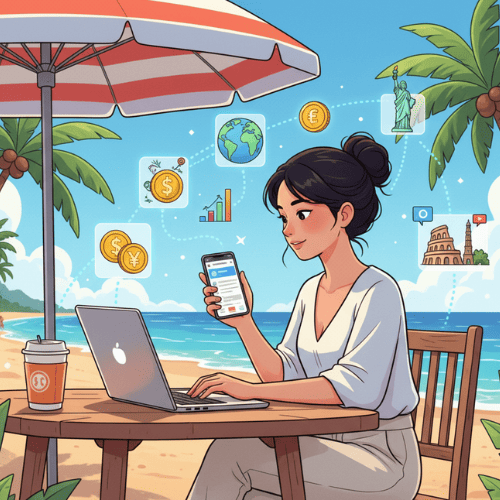
Traveling the world long-term or adopting a digital nomad lifestyle has become increasingly popular among millennials, Gen Z, and even some seasoned professionals seeking freedom and flexibility. The allure of exploring multiple countries, experiencing diverse cultures, and working from exotic locations is undeniable. However, while the excitement is high, long-term travel presents unique financial challenges that can be overwhelming for those unprepared. Unlike short vacations, which are temporary and planned with a fixed budget, extended travel requires sustainable income streams, careful budgeting, and strategic financial planning to ensure the traveler can maintain their lifestyle without stress.
This article explores comprehensive financial strategies for long-term travelers and digital nomads, focusing on actionable advice for managing money globally. From diversifying income, leveraging fintech solutions, handling taxes, insurance, and emergency funds, to smart investment strategies while abroad, this guide provides everything you need to travel sustainably. By implementing these strategies, travelers can enjoy the freedom of a global lifestyle while safeguarding their financial stability.
Diversifying Income Streams
A stable financial foundation is crucial for sustaining long-term travel. One of the most effective ways to achieve this is by diversifying income sources. Relying solely on one income stream is risky, especially when living in countries with volatile economies or fluctuating currency values.
Remote Work Opportunities
Remote work has become a primary income source for many digital nomads. Freelancing, consulting, and full-time remote roles allow individuals to earn in stable currencies while enjoying the flexibility to travel. Platforms like Upwork, Fiverr, and Toptal connect professionals to global clients, providing opportunities in software development, writing, graphic design, marketing, and more.
Digital Entrepreneurship
Entrepreneurial ventures can supplement income. Selling digital products, creating online courses, building niche websites, or running e-commerce stores allows travelers to generate passive income streams. These ventures often require upfront work but can provide ongoing revenue, which is invaluable for maintaining long-term travel.
Investments
Investing is another way to sustain income while traveling. Options include stocks, ETFs, mutual funds, real estate crowdfunding, or even cryptocurrencies. Investments must be carefully chosen to balance risk and liquidity, ensuring access to funds when needed.
Rental Income
For travelers who own property in their home country, short-term or long-term rentals can generate steady cash flow. Platforms like Airbnb or Vrbo enable homeowners to monetize unused space, offsetting travel expenses.
Diversifying income reduces reliance on a single source and offers flexibility to manage unexpected changes, such as clients delaying payments or markets fluctuating.
Banking and Fintech Solutions for Global Travel
Managing money across multiple countries requires modern banking solutions. Traditional banks often have high fees for international transactions, while digital banks and fintech platforms provide better flexibility and cost efficiency.
Multi-Currency Accounts
Digital banks like Wise, Revolut, and N26 allow travelers to hold and transact in multiple currencies. This reduces currency exchange fees and ensures better control over spending. For example, a traveler earning in USD but living in Southeast Asia can hold funds in USD and convert them strategically to local currency for optimal rates.
Expense Tracking Apps
Apps such as Mint, YNAB, and PocketGuard automatically categorize spending, track budgets, and provide alerts for unusual activity. This transparency is essential when managing multiple expenses in various currencies.
Digital Payment Platforms
PayPal, Stripe, and cryptocurrency wallets allow seamless global payments without the need for physical banking infrastructure. They also provide protection against fraud and simplify international transactions.
Credit Card Optimization
Selecting credit cards with travel rewards, no foreign transaction fees, and strong fraud protection is critical. Many travelers use cards that offer cash-back on dining, travel insurance, or rewards points that can be redeemed for flights and accommodation.
Leveraging these tools reduces financial friction, increases security, and provides more freedom to manage money while traveling.
Budgeting for Long-Term Travel
Budgeting for extended travel is more complex than for short vacations. Costs fluctuate based on country, lifestyle, and length of stay.
Flexible Monthly Budgets
A traveler might spend $2,500 in a European city but only $1,200 in Southeast Asia. Adjusting budgets according to local economies allows for sustainable living while avoiding overspending.
Emergency Fund Allocation
Maintaining 3-6 months of living expenses in accessible accounts is critical. Emergencies such as sudden medical needs, flight cancellations, or lost items can arise unexpectedly. Keeping funds in stable currencies like USD, EUR, or GBP ensures readiness.
Subscription and Payment Automation
Automating payments for software, online services, or recurring expenses prevents missed bills and late fees. For digital nomads, automation reduces administrative overhead while ensuring continuity of services.
Controlling Lifestyle Inflation
As income increases, it’s tempting to upgrade accommodation or experiences. Maintaining discipline helps ensure long-term sustainability and prevents financial stress later.
By implementing adaptive budgeting techniques, travelers can balance comfort and frugality, maximizing the travel experience without compromising financial security.
Taxes and Compliance
Navigating taxes is one of the most challenging aspects of long-term travel. Different countries have varying tax rules, and ignorance can lead to penalties.
Understanding Residency Rules
Tax residency criteria differ worldwide. Some countries tax based on physical presence, while others rely on citizenship or worldwide income. Staying informed about local laws is crucial to avoid accidental non-compliance.
Reporting Income
Freelancers and remote workers must report income according to their jurisdiction’s requirements. International tax laws, like the U.S. Foreign Earned Income Exclusion, allow eligible travelers to reduce taxable income legally.
Legal Tax Optimization
Tax treaties and exemptions can minimize liability. Consulting international tax professionals ensures proper compliance while leveraging opportunities to reduce taxes.
Proper tax planning avoids legal issues and ensures travelers can enjoy their lifestyle without unexpected burdens.
Insurance and Risk Management
Insurance is essential for financial protection during long-term travel.
Health Insurance
International health insurance plans cover medical care across multiple countries. They provide access to high-quality facilities and protect against exorbitant medical bills.
Equipment Insurance
Travelers often rely on laptops, cameras, and specialized work equipment. Insurance protects against theft, loss, or accidental damage.
Liability Insurance
For freelancers, consultants, and entrepreneurs, liability insurance safeguards against accidental damages or lawsuits abroad.
Emergency Evacuation Insurance
Unexpected events such as natural disasters or political unrest may require emergency evacuation. Having coverage ensures safety without incurring massive costs.
Investing in comprehensive insurance ensures peace of mind and financial stability throughout the journey.
Currency Management and Investments
Managing multiple currencies and investments is crucial for long-term travelers.
-
Stable Currency Holdings: Keeping funds in strong currencies like USD, EUR, or GBP protects against local currency volatility.
-
Exchange Timing: Monitoring rates for optimal conversion minimizes losses.
-
International Investments: ETFs, mutual funds, or property investments in stable markets provide growth and passive income.
-
Cryptocurrency Usage: Digital currencies offer flexibility but require careful security measures.
By strategically managing currencies and investments, travelers can ensure liquidity and financial growth while abroad.
Leveraging Technology for Financial Efficiency
Modern technology enables travelers to streamline finance management.
-
Remote Work Platforms: Efficiently manage client work and payments globally.
-
Cloud-Based Accounting: Track income and expenses with tools like QuickBooks or Xero.
-
Automated Savings: Apps automatically transfer funds to investment or emergency accounts.
-
AI Expense Insights: Analyze spending trends and suggest optimization strategies.
Technology reduces administrative burdens, allowing travelers to focus on productivity and exploration.
Psychological Aspects of Financial Management
Managing finances while traveling can be stressful. Maintaining financial well-being is as important as physical health.
-
Mindful Spending: Align expenses with personal values and travel goals.
-
Transparent Planning: Share financial plans with travel partners to avoid conflicts.
-
Continuous Learning: Stay informed about global finance, investments, and tax changes.
-
Financial Journaling: Track spending, successes, and lessons learned for ongoing improvement.
Integrating financial mindfulness ensures stability and peace of mind during extended travel.
Conclusion
Long-term travel and the digital nomad lifestyle are rich in experiences but require advanced financial planning. Diversified income streams, fintech solutions, adaptive budgeting, tax compliance, insurance, currency management, investments, and leveraging technology collectively ensure sustainable travel.
By implementing these strategies, travelers can enjoy global exploration without sacrificing financial security. Long-term travel becomes not only a journey of discovery but also a masterclass in strategic financial management, resilience, and informed risk-taking.
Adopting these practices allows digital nomads and long-term travelers to balance freedom, adventure, and security—creating a sustainable lifestyle that blends financial wisdom with life-changing experiences.