Introduction
In today’s fast-moving world, health and well-being have become more than personal choices; they are critical foundations for leading fulfilling and productive lives. While medical science has advanced rapidly, lifestyle-related diseases, chronic stress, and declining mental resilience have become pressing issues worldwide. Health and well-being encompass more than the absence of illness; they include physical vitality, emotional balance, mental clarity, and a sense of purpose.
This article explores a comprehensive perspective on health and well-being, breaking down physical, mental, social, and lifestyle factors. We will analyze evidence-based strategies, global trends, and practical steps to achieve and maintain optimal wellness. From the role of nutrition and exercise to financial health and digital balance, we’ll uncover how individuals can thrive in modern life.
The Holistic Approach to Health and Well-being
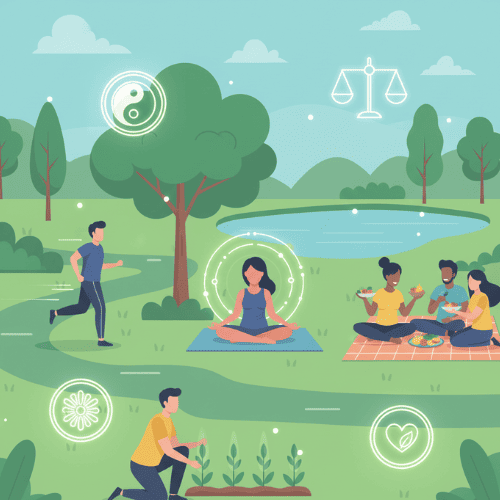
Health is often misunderstood as simply being free of disease. In reality, the World Health Organization defines health as “a state of complete physical, mental, and social well-being.” This holistic definition emphasizes that wellness is multidimensional. A balanced life requires the integration of:
-
Physical health: Fitness, nutrition, sleep, and medical care.
-
Mental health: Stress management, resilience, and emotional regulation.
-
Social well-being: Relationships, community belonging, and supportive networks.
-
Purpose and lifestyle: Values, work-life balance, and personal growth.
Approaching well-being from this integrated lens helps people build sustainable habits that strengthen all aspects of life.
Physical Health: The Foundation of Vitality
Nutrition and Diet
Nutrition plays a vital role in maintaining energy, preventing chronic illness, and boosting immunity. Diets rich in whole foods, lean proteins, healthy fats, and diverse plant-based ingredients contribute to long-term vitality. For example, the Mediterranean diet—high in olive oil, fish, vegetables, and legumes—has been proven to lower cardiovascular risk and improve longevity.
Exercise and Movement
Physical activity goes beyond aesthetics. Regular exercise improves cardiovascular health, reduces the risk of diabetes, and enhances cognitive function. Both aerobic exercises (like running or swimming) and anaerobic training (such as strength training) play important roles. Global health organizations recommend at least 150 minutes of moderate activity per week for optimal outcomes.
Sleep and Recovery
Sleep remains underestimated in conversations about well-being. Studies link insufficient sleep to weight gain, weakened immunity, and poor mental health. A consistent routine, minimizing screen exposure before bedtime, and creating a restful sleep environment are essential steps.
Mental Health: Building Emotional Resilience
Stress Management
Chronic stress has become a silent epidemic. Long-term stress triggers elevated cortisol, leading to weakened immunity, high blood pressure, and depression. Effective management includes mindfulness meditation, yoga, breathing exercises, and time in nature.
The Importance of Therapy and Support
Modern society is increasingly recognizing the importance of therapy and counseling. Professional support helps individuals navigate trauma, anxiety, and relationship difficulties. Digital platforms have made therapy more accessible than ever.
Cognitive Fitness
Just as the body needs exercise, the brain benefits from stimulation. Reading, learning new skills, puzzles, and even creative arts strengthen neuroplasticity, which is linked to long-term cognitive health.
Social Well-being: Connection and Community
Humans are social beings, and community engagement plays a crucial role in well-being. Studies consistently show that strong social ties are linked to lower risks of depression, higher life satisfaction, and even longer lifespans.
-
Relationships: Investing in family, friends, and meaningful partnerships creates emotional stability.
-
Community Engagement: Volunteering, joining clubs, or supporting local initiatives fosters belonging.
-
Digital Relationships: Online communities can provide support but must be balanced to avoid isolation.
Lifestyle and Purpose: The Hidden Pillars of Wellness
Work-life Balance
Modern professionals face blurred boundaries between work and personal life, especially with remote work. Prioritizing boundaries, setting schedules, and valuing downtime can prevent burnout.
Purpose and Meaning
Research shows that individuals who feel connected to a purpose—whether through work, spirituality, or personal goals—report higher levels of well-being. Aligning daily activities with values provides motivation and resilience.
Financial Health and Well-being
Financial stress is one of the top contributors to anxiety and poor health. Personal finance education, budgeting, and planning for retirement are crucial not only for security but also for peace of mind. Well-being is closely tied to financial independence.
The Role of Technology in Health and Well-being
Technology has reshaped the way we manage health, offering both opportunities and challenges.
-
Wearables and Health Apps: Fitness trackers and health apps provide real-time data on heart rate, sleep, and steps, empowering people to monitor progress.
-
Telemedicine: Virtual doctor consultations expand access to healthcare.
-
Digital Detox: However, excessive screen time contributes to anxiety, poor sleep, and digital fatigue. Striking a balance between digital tools and offline activities is critical.
Global Trends in Health and Well-being
Health and well-being are influenced by cultural and socioeconomic contexts. Global trends include:
-
Preventive healthcare: More focus on preventing diseases before they occur.
-
Mental health awareness: A reduction in stigma around therapy and psychiatric care.
-
Workplace wellness programs: Employers offering wellness benefits, meditation sessions, and gym memberships.
-
Sustainable living: Environmental wellness through eco-friendly lifestyles.
-
Aging populations: Addressing the needs of older adults, including mobility, cognitive care, and social support.
Practical Strategies for Everyday Wellness
-
Adopt small habits: Replace soda with water, take short walks, and practice gratitude.
-
Schedule rest: Protect time for relaxation and sleep.
-
Learn continuously: Enroll in courses, explore hobbies, and train your mind.
-
Limit multitasking: Focus reduces stress and increases productivity.
-
Invest in relationships: Dedicate time to nurturing connections.
-
Build financial safety nets: Emergency savings reduce stress in uncertain times.
Challenges and Barriers to Achieving Well-being
Despite growing awareness, barriers remain:
-
Economic inequality: Not all individuals can afford healthy foods or healthcare.
-
Cultural stigmas: In some societies, mental health discussions remain taboo.
-
Environmental pressures: Urban living, pollution, and noise affect well-being.
-
Time constraints: Busy schedules prevent individuals from prioritizing health.
Recognizing these barriers is the first step to overcoming them, both individually and collectively.
The Future of Health and Well-being
The future of health will be defined by personalized medicine, AI-driven wellness, and global collaboration. Preventive care, holistic approaches, and digital health solutions will continue to evolve.
Governments, businesses, and individuals must embrace the responsibility of promoting well-being as a public priority. Wellness is not a luxury but a necessity for sustainable societies.
Conclusion
Health and well-being are comprehensive, covering physical, mental, social, and financial aspects of life. In modern times, achieving wellness requires more than following medical advice; it involves adopting sustainable habits, managing stress, nurturing relationships, and finding purpose. By approaching health holistically, individuals can not only prevent disease but also lead more fulfilling lives.
Ultimately, the path to well-being is about balance—between body and mind, work and rest, digital and offline life. By making intentional choices, everyone can thrive, not just survive, in today’s demanding world.