Introduction
When we talk about investing, our minds often jump to stocks, real estate, or retirement accounts. While these are crucial components of a strong financial future, arguably the most important investment you will ever make is in your own health and well-being. As we approach the end of the year, it’s a natural time to reflect and set goals for the year ahead. Many of us will resolve to exercise more, eat better, or focus on our mental health. However, these goals are often treated separately from our financial planning, when in reality, they are deeply connected. A proactive approach to your well-being is one of the smartest financial strategies you can adopt. This guide will provide a framework for how to financially invest in a healthy lifestyle, using tools like your budget, credit card, and health insurance to support your goals.
Redefining ‘Health’ as a Financial Asset
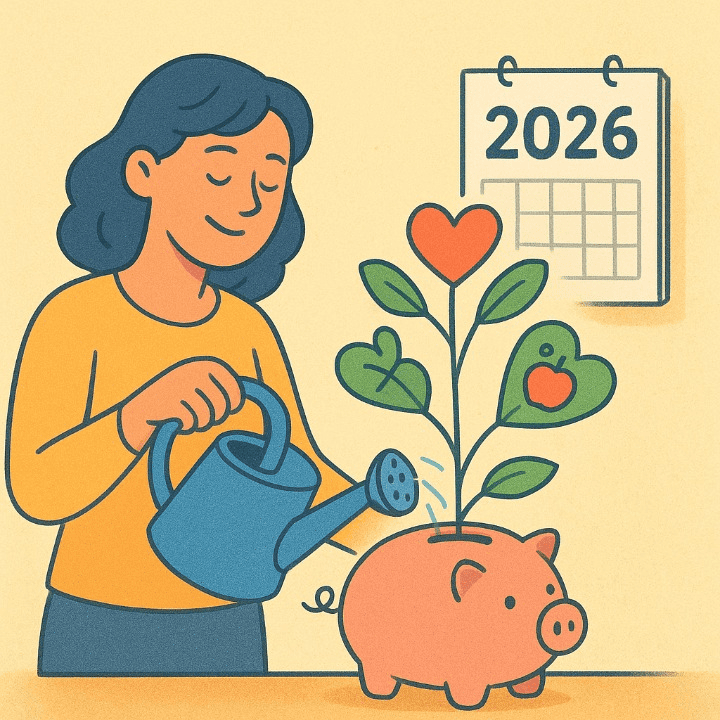
Investing in your health means spending time, energy, and yes, money, on preventative habits that contribute to your long-term well-being. This might seem like just another expense, but it’s more accurate to view it as an investment with a significant return. Spending money on a gym membership, healthier groceries, or therapy today can save you an immense amount in future medical bills.
Consider the return on investment (ROI) from a healthy lifestyle. When you are physically and mentally healthy, you typically have more energy and focus, which can boost your productivity and career potential. You are likely to take fewer sick days, protecting your income. Most importantly, you reduce your risk of developing chronic conditions that come with lifelong costs for medication, treatments, and specialized care. In this light, allocating funds toward your well-being isn’t a luxury; it’s a core part of a defensive financial strategy that protects your greatest asset: you.
Budgeting for a Healthy Lifestyle
The first step to investing in your health without causing financial stress is to incorporate it into your budget. A “wellness” line item in your monthly budget gives you a clear plan and empowers you to spend consciously on your goals.
Here are some common wellness expenses you might want to budget for:
- Physical Fitness: This could be a gym membership, fitness class pack, subscription to a workout app, or entry fees for races.
- Nutrition: This might mean allocating slightly more for high-quality, whole foods, or subscribing to a healthy meal kit service.
- Mental Health: This can include subscriptions to meditation apps, therapy sessions, or even just setting aside money for hobbies that help you de-stress.
- Gear and Equipment: This includes costs for proper workout clothes, running shoes, or saving up for home gym equipment.
Start by identifying one or two priorities. You don’t have to do everything at once. By officially adding a “Wellness” category to your budget, you are giving yourself permission to spend on your health in a structured and guilt-free way.
Using Your Credit Card for Healthy Habits
Your credit card can be a useful ally in your wellness journey, provided you use it as a tool for convenience, not as a source of debt.
The Smart Way to Use Your Card
Once you have budgeted for a wellness expense, using a rewards credit card to pay for it can provide extra value. For example, you could put your monthly gym membership or grocery bill on a cashback card. As long as you pay the balance in full at the end of the month, the cash back you earn is essentially a discount. Some cards even offer special bonus rewards for spending in categories like groceries or fitness. This is a smart way to make your budgeted dollars work a little harder for you.
The Pitfall to Avoid
The danger arises when you are tempted to finance a healthy lifestyle you can’t yet afford. This could be an expensive piece of home gym equipment, a pricey wellness retreat, or a series of personal training sessions that are outside your budget. Charging these to your credit card without a plan to pay them off immediately can lead to high-interest debt. The stress and anxiety caused by a growing, high-interest rate balance will quickly negate the positive effects of your wellness activities. It’s crucial that your investment in your physical health doesn’t come at the expense of your financial health.
Leveraging Your Health Insurance for Prevention
Many people view their health insurance as purely a safety net for when they get sick. However, it is also a powerful tool for staying healthy. Most insurance plans are required to cover a range of preventative care services at no additional cost to you.
Take some time to read through your insurance policy documents or visit the insurer’s website to see what is covered. You will likely find benefits such as:
- Free Annual Check-ups: A yearly physical with your primary care doctor.
- Preventative Screenings: Coverage for various health screenings.
- Vaccinations: Including the annual flu shot.
- Wellness Discounts: Some insurers partner with gyms or fitness programs to offer their members discounted rates.
By taking advantage of these free preventative services, you are not only taking proactive care of your body but also maximizing the value you get from your monthly insurance premium.
The Big Picture: Credit, Financing, and Your Well-being
Ultimately, a healthy life is a balanced one. Your financial habits have a direct impact on your stress levels and, consequently, your overall well-being. Maintaining a strong credit score by paying your bills on time and managing your debt responsibly is a form of self-care. It reduces financial anxiety and provides you with better options if you ever do need them.
If you are considering a major wellness-related purchase that requires financing—like specialized medical equipment or orthodontic work—a good credit history will be essential. It will qualify you for a lower interest rate, saving you a significant amount of money and making the purchase more manageable. This demonstrates how building good credit is a foundational part of supporting your long-term health goals.
Conclusion
Investing in your health is a journey, not a destination, and it’s one of the most rewarding financial decisions you can make. It starts with a shift in mindset—viewing your well-being as a valuable asset worth protecting. By proactively budgeting for a healthy lifestyle, you can pursue your goals without financial strain. You can use your credit card strategically to earn rewards on your wellness spending and lean on your health insurance for its powerful preventative care benefits. By aligning your financial habits with your health goals, you are building a richer, more resilient life in every possible way.