Introduction
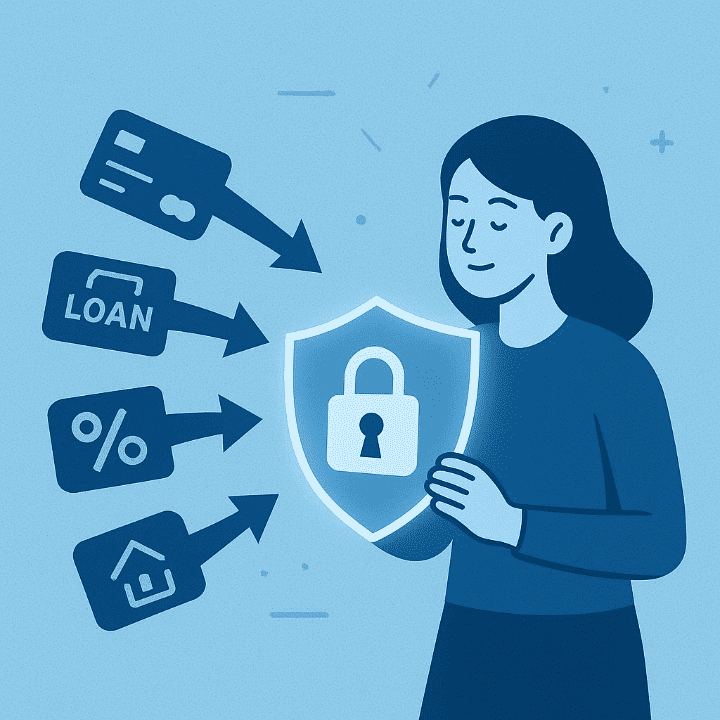
In our increasingly connected world, we manage much of our lives online, from banking and shopping to connecting with friends and family. This digital convenience has brought incredible benefits, but it has also created new vulnerabilities. One of the most significant financial threats today is not a physical robber, but an invisible thief seeking to steal your identity. Identity theft goes far beyond a single fraudulent charge on your credit card; it can involve criminals opening new lines of financing in your name, destroying your credit score, and creating a financial mess that can take months or even years to clean up. Building a strong system of financial protection in the 21st century means creating a robust digital defense. This guide will provide you with practical, actionable steps to safeguard your personal information, protect your credit, and secure your financial well-being.
What is Identity Theft and Why Should You Care?
Identity theft occurs when a criminal illegally obtains and uses your personal identifying information—such as your name, address, Social Security number, or credit card details—for their own financial gain. With this information, a thief can engage in a wide range of fraudulent activities. They might drain your bank account, make unauthorized purchases, or, in more severe cases, take out auto loans or other forms of financing under your name.
The consequences can be devastating. Victims often face a significant drop in their credit score, making it difficult to get approved for legitimate loans or even a new apartment. They are saddled with debts they didn’t incur, often with a high interest rate, and must spend countless hours proving their innocence to creditors and credit bureaus. The immense stress and anxiety of this process can also take a serious toll on one’s mental and physical health. Understanding the severity of this threat is the first step toward actively protecting yourself from it.
Your First Line of Defense: Proactive Security Habits
The best way to fight identity theft is to prevent it from happening in the first place. Integrating a few key security habits into your daily routine can dramatically reduce your risk of becoming a victim.
- Create Strong, Unique Passwords: Avoid using easily guessable passwords like “123456” or your pet’s name. A strong password should be long (at least 12 characters) and include a mix of uppercase letters, lowercase letters, numbers, and symbols. Crucially, use a different password for every single online account. A password manager can help you generate and store these complex passwords securely.
- Enable Two-Factor Authentication (2FA): 2FA adds a powerful second layer of security. Even if a thief steals your password, they won’t be able to access your account without a second verification step, which is usually a code sent to your phone. Enable this feature on all important accounts, especially for your email and financial institutions.
- Be Wary of Phishing Scams: Phishing is when criminals send deceptive emails or text messages pretending to be from a legitimate company to trick you into revealing personal information. Be suspicious of any message that creates a sense of urgency, asks you to click a strange link, or contains spelling and grammar errors.
Safeguarding Your Credit Card and Financial Accounts
Your credit card is a primary target for fraudsters, but it also comes with built-in protections that make it safer for online transactions than a debit card. Debit cards link directly to your bank account, meaning fraudulent charges can drain your actual cash. A credit card uses the lender’s money, and federal laws limit your liability for fraudulent charges to a very small amount, which most issuers waive entirely.
To maximize your credit card security, you should:
- Set Up Transaction Alerts: Most credit card companies allow you to set up email or text alerts for any transaction, or for those over a certain amount. This provides real-time notification of activity on your account, allowing you to spot and report fraud immediately.
- Review Your Statements Regularly: Don’t wait for your monthly statement to arrive. Log in to your online portal at least once a week to review pending and posted transactions. The sooner you spot an issue, the easier it is to resolve.
- Be Careful on Public Wi-Fi: Avoid logging into your bank or credit card accounts when using unsecured public Wi-Fi, such as at a coffee shop or airport.
The Power of Monitoring: Actively Watching Your Credit
Preventative habits are crucial, but you also need a system to detect if your information has been compromised. This is where active credit monitoring comes in.
You should regularly review your credit reports from the three major bureaus: Equifax, Experian, and TransUnion. These reports list all of your credit accounts, payment history, and inquiries, providing a complete picture of your credit activity. You are entitled to a free report from each bureau annually through the official government-authorized website.
For even stronger protection, consider these two powerful tools:
- A Credit Freeze: This is one of the most effective ways to stop identity thieves in their tracks. A credit freeze restricts access to your credit report, which means creditors cannot view it to approve new financing. If a thief tries to open a new account in your name, they will almost certainly be denied. You can freeze and “thaw” your credit for free whenever you need to apply for a loan yourself.
- A Fraud Alert: A fraud alert is a less restrictive option. It places a note on your credit report that encourages lenders to take extra steps to verify your identity before extending new credit.
What If the Worst Happens? The Role of Insurance and Recovery
Even with the best precautions, identity theft can still happen. If you discover you’re a victim, you must act quickly. The first steps include contacting the fraud departments of your financial institutions, placing a fraud alert and freeze on your credit reports, and filing a report with the Federal Trade Commission (FTC) and your local police.
The recovery process can be time-consuming and sometimes costly. This is where identity theft insurance can be helpful. Often available as a standalone policy or an add-on to homeowners or renters insurance, this coverage is designed to reimburse you for the costs associated with restoring your identity. This can include legal fees, lost wages for time taken off work, and costs for mailing certified documents. It provides a financial cushion during a highly stressful period.
Conclusion
In our digital age, financial protection extends beyond traditional budgeting and saving. It requires a conscious and continuous effort to protect your personal information. By building a multi-layered defense system—combining strong security habits, careful credit card management, active credit monitoring with tools like freezes and alerts, and understanding the safety net that insurance can provide—you can significantly reduce your risk of identity theft. Taking these proactive steps gives you the power to safeguard your hard-earned credit and secure your financial peace of mind in an interconnected world.