Introduction
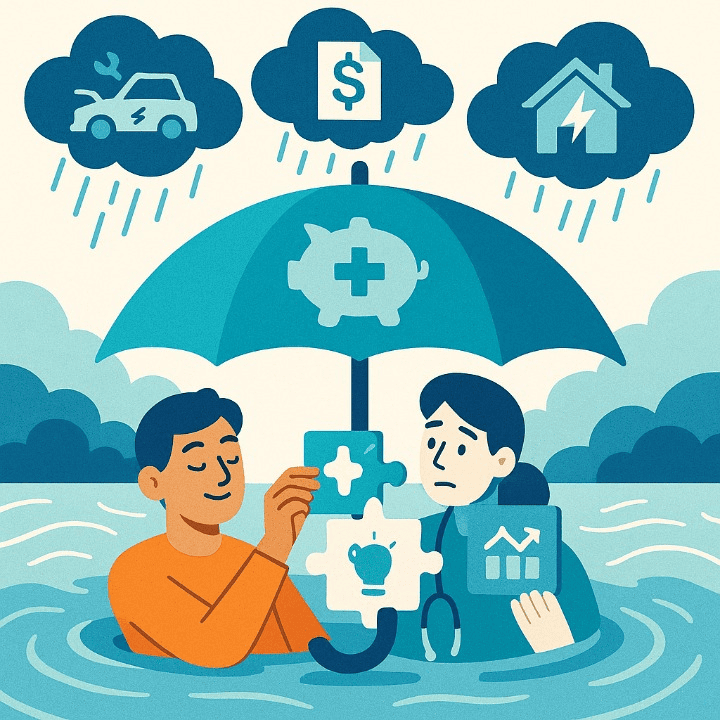
Life is wonderfully unpredictable. While we can plan for many things, there are always surprises just around the corner—a car that suddenly breaks down, a leaking roof, or an unexpected health issue. In these moments, the difference between a minor inconvenience and a full-blown financial crisis often comes down to one thing: having an emergency fund. Think of it as your personal financial first aid kit. It’s a dedicated pool of money set aside for the sole purpose of handling urgent, unforeseen expenses. Having this safety net provides more than just money; it provides peace of mind. It’s the buffer that keeps you from having to rely on a high-interest credit card or derailing your long-term goals when life happens. For anyone starting their journey in personal finance, building an emergency fund isn’t just the first step—it’s the foundational bedrock upon which all other financial success is built.
Why an Emergency Fund is Your Financial Cornerstone
Before diving into the “how,” it’s essential to understand the “why.” An emergency fund is arguably the most critical account you will ever have, for several key reasons.
First and foremost, it separates a true emergency from a financial disaster. An unexpected expense is a fact of life, but without a cash cushion, it can force you into making poor financial decisions. Secondly, it protects your long-term financial goals. Without an emergency fund, you might be forced to sell investments at a loss or dip into your retirement savings to cover a sudden cost, setting your future plans back by years.
Furthermore, it is your best defense against debt. When faced with a large, unexpected bill, the alternative to an emergency fund is often high-interest debt from a credit card or a personal loan. This can start a debt cycle that is difficult to break. Finally, and perhaps most importantly, an emergency fund drastically reduces financial stress. Knowing you have a buffer to handle a job loss or a medical bill allows you to sleep better at night and navigate challenges with confidence instead of fear.
How Much Is Enough? Setting Your Savings Target
The most common guideline for an emergency fund is to save 3 to 6 months of essential living expenses. This might sound like a huge, intimidating number, but the key word here is “essential.” This doesn’t mean 3-6 months of your full income. Instead, it covers only your core survival needs.
To calculate your target, list your absolute must-pay expenses for one month:
- Housing (rent or mortgage)
- Utilities (electricity, water, internet)
- Food (a realistic grocery budget)
- Transportation (gas, public transit costs)
- Insurance Premiums (including health insurance)
- Minimum debt payments
Multiply that monthly total by three to get your minimum target. However, trying to save this entire amount at once can feel overwhelming. For this reason, a great strategy is to start with a more achievable “starter” emergency fund. Aim for a specific, smaller amount, like $1,000. Reaching this first milestone provides a huge psychological boost and a tangible safety net for smaller emergencies, building the momentum you need to continue saving toward your larger goal.
Where to Keep Your Fund: The Right Account Matters
The location of your emergency fund is just as important as the amount. The money needs to meet two very important criteria: it must be liquid (meaning you can access it quickly and easily) and it must be separate from your daily checking account to reduce the temptation to spend it on non-emergencies.
The ideal home for your emergency fund is a High-Yield Savings Account (HYSA). These online savings accounts are secure, easily accessible, and offer a much better interest rate than a traditional savings account at a brick-and-mortar bank. While the interest rate won’t make you wealthy, it will help your savings grow slightly and better keep pace with inflation over time. The most important thing is to resist the urge to invest your emergency fund in the stock market. While investing is crucial for long-term goals, you cannot risk your emergency money losing value or being difficult to access when you need it most.
How to Build It: Practical Strategies for Saving
With your target set and your account open, it’s time to start building your fund. Consistency is more important than amount.
- Start Small and Automate: Even if it’s just $25 per paycheck, set up an automatic transfer to your HYSA. Small, consistent contributions add up significantly over time.
- Trim Your Budget Temporarily: Look for “wants” in your budget that you can cut back on for a few months. Could you pause a streaming service or reduce how often you eat out? Redirect every dollar you save directly into your emergency fund.
- Use Windfalls Wisely: Whenever you receive unexpected money, such as a tax refund, a work bonus, or a cash gift, commit to putting at least half of it into your emergency fund.
- Pay Yourself First: This is a golden rule of personal finance. Treat your emergency fund contribution like any other mandatory bill. When you get paid, the very first “bill” you pay should be your transfer to savings.
A Practical Scenario: How Chloe Weathered a Health Scare
Chloe, a freelance designer, spent the last year diligently saving and has built an emergency fund of $4,000 in a high-yield savings account. One day, she experiences a sudden health issue that, while not life-threatening, requires several visits to specialists and a series of diagnostic tests.
Her health insurance policy covers the majority of the costs, but due to her deductible and co-pays, her final out-of-pocket responsibility comes to $1,500. Without her emergency fund, Chloe would have been forced to put this entire amount on her credit card. This would have added the stress of a new, high-interest debt to an already anxious time, forcing her to worry about payments while trying to focus on her health.
Instead, Chloe was able to pay the medical bills directly from her emergency fund. Although her fund was now lower, she incurred zero debt. She had the peace of mind to focus completely on her recovery, knowing her financial foundation was secure. Once she was well, she simply resumed her savings plan to replenish the fund. This experience solidified for her that her emergency fund wasn’t just about money—it was about her well-being.
Conclusion
An emergency fund is the bedrock of true financial security. It is your personal, private safety net that empowers you to face life’s inevitable surprises with calm and confidence, rather than fear and panic. It is the tool that protects your dreams from being derailed by a single stroke of bad luck. By setting a clear goal, starting small but staying consistent, and keeping the money in the right place, you are making one of the most profound investments possible: an investment in your future self’s peace of mind.