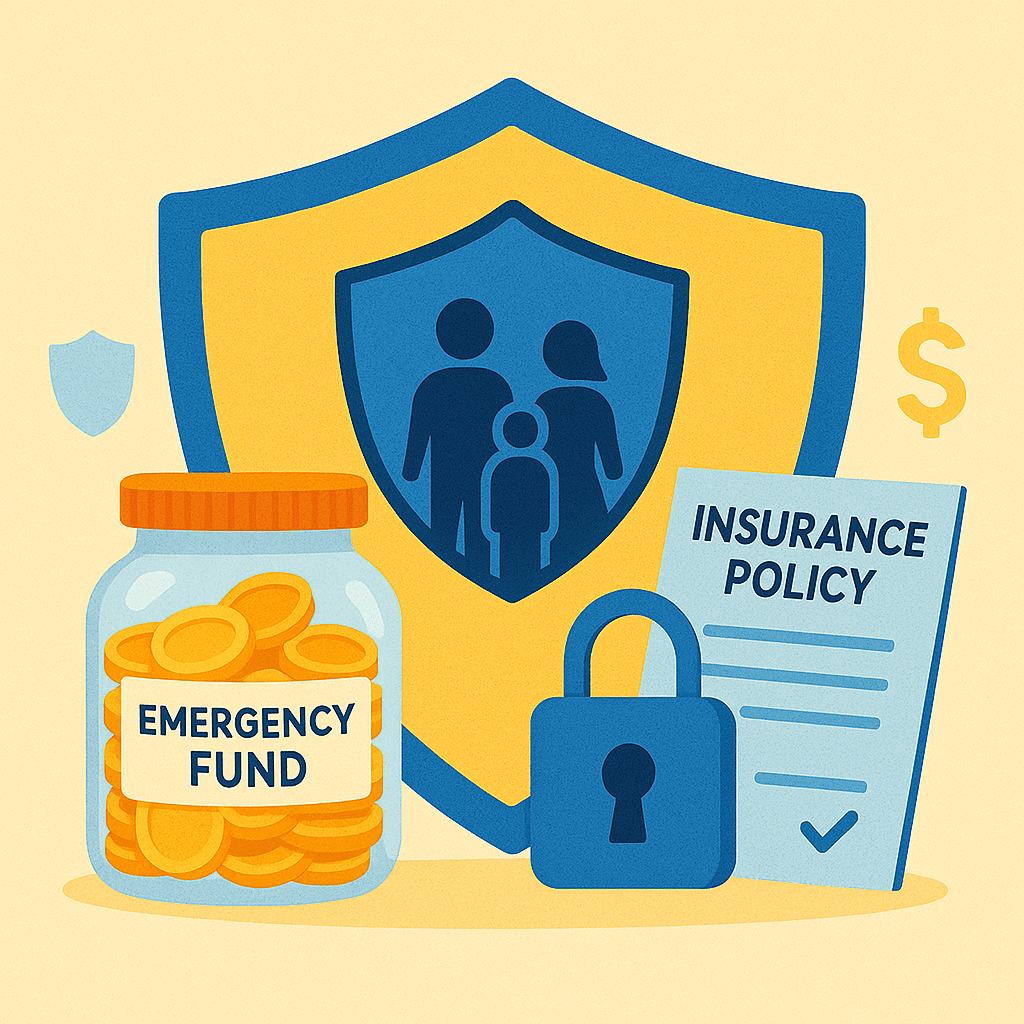
Introduction
Life can be a bit like a rollercoaster, full of unexpected twists and turns. Sometimes these surprises are fun, like a sudden opportunity to travel. Other times, they’re more challenging, like a car breakdown or an unexpected medical bill. That’s where financial protection comes in. It’s about building a safety net so that when life throws a curveball, you’re not left scrambling and risking your hard-earned money. For beginners and those looking to strengthen their financial footing, understanding how to protect your finances is just as crucial as learning how to save or invest. It’s about proactive planning to safeguard your present and future well-being.
Why Financial Protection Matters: Beyond Just Saving Money
You might already be diligently saving money, and that’s fantastic! But financial protection goes a step further. Imagine Sarah, who has a good savings account. One day, her old refrigerator breaks down, and she needs a new one urgently. Without a specific plan for unexpected expenses, she might have to dip into her long-term savings for a down payment on a house, setting back her goals. Or consider Tom, who’s been investing diligently. If he suddenly faces a severe illness, the medical bills could quickly wipe out a significant portion of his investments if he doesn’t have the right insurance.
Financial protection isn’t just about having money; it’s about having the right kind of money and safeguards in place for different scenarios. It helps you:
- Avoid Debt: When emergencies strike, you won’t have to rely on high-interest credit cards or personal loans to cover unexpected costs.
- Maintain Financial Goals: You can keep your savings and investments on track, rather than derailing them to handle unforeseen expenses.
- Gain Peace of Mind: Knowing you’re prepared for the unexpected can reduce financial stress and allow you to focus on what matters most.
- Protect Your Assets: Safeguards like insurance can protect your valuable possessions, like your home or car, from damage or loss.
Building Your First Line of Defense: The Emergency Fund
The cornerstone of any good financial protection strategy is a robust emergency fund. Think of it as your personal financial airbag – there when you need it most.
What is an Emergency Fund?
An emergency fund is a stash of readily accessible cash specifically set aside to cover unexpected expenses. These aren’t your regular bills or planned purchases; they’re the true surprises:
- Job loss
- Medical emergencies
- Major car repairs
- Urgent home repairs (like a burst pipe)
How Much Do You Need?
A common guideline is to save enough to cover 3 to 6 months of your essential living expenses. This includes rent/mortgage, utilities, food, transportation, and any other non-negotiable monthly costs. If your income is less stable, or you have dependents, aiming for closer to 6 months or even more can provide greater security.
Let’s say your essential monthly expenses add up to $2,000. You’d want to aim for an emergency fund between $6,000 and $12,000. It might sound like a lot, but you don’t have to save it all at once!
Where to Keep Your Emergency Fund
Your emergency fund should be:
- Separate: Keep it in an account separate from your everyday checking account to avoid accidentally spending it.
- Liquid: This means it should be easy to access quickly. A high-yield savings account is often the best choice, as it offers a slightly better interest rate than a traditional savings account while still allowing easy withdrawals.
- Safe: Avoid investing your emergency fund in the stock market, as its value can fluctuate. The goal here is stability, not growth.
Many banks offer online high-yield savings accounts with competitive interest rates and no monthly fees, making them ideal for your emergency fund.
The Role of Insurance: Spreading the Risk
While an emergency fund handles smaller, immediate financial shocks, insurance steps in to protect you from larger, potentially catastrophic financial losses. Insurance works on the principle of risk pooling: many people pay a small amount (a premium) into a fund, and if one of them experiences a covered loss, they receive a payout from that fund.
Understanding Key Insurance Terms
Before diving into types of insurance, let’s clarify a few terms:
- Premium: The regular payment you make to the insurance company (e.g., monthly, annually) to keep your policy active.
- Deductible: The amount of money you have to pay out of your own pocket before your insurance coverage kicks in. For example, if you have a $500 deductible on your car insurance and cause $2,000 in damage, you pay the first $500, and the insurer pays the remaining $1,500.
- Coverage/Policy Limit: The maximum amount the insurance company will pay for a covered loss.
Common Types of Insurance for Financial Protection
- Health Insurance: This is crucial. Medical emergencies and ongoing healthcare costs can be incredibly expensive. Health insurance helps cover doctor visits, hospital stays, prescription medications, and more, protecting you from potentially ruinous medical debt. Many employers offer health insurance plans, or you can explore options through government marketplaces.
- Auto Insurance: If you own a car, auto insurance is usually legally required and vital for financial protection. It covers damages to your vehicle, damages to other vehicles or property if you’re at fault, and medical expenses for injuries resulting from an accident.
- Homeowner’s or Renter’s Insurance:
- Homeowner’s insurance protects your home and belongings from perils like fire, theft, and natural disasters. It also typically includes liability coverage if someone is injured on your property.
- Renter’s insurance is often overlooked but just as important for those who rent. It protects your personal belongings from theft, fire, and other covered events, and also provides liability coverage. Your landlord’s insurance won’t cover your personal items.
- Life Insurance: This type of insurance provides a financial payout to your chosen beneficiaries (like family members) if you pass away. It’s especially important if you have dependents who rely on your income. There are generally two main types:
- Term Life Insurance: Provides coverage for a specific period (e.g., 10, 20, or 30 years). It’s generally more affordable and often suitable for individuals with temporary financial responsibilities like a mortgage or young children.
- Whole Life Insurance: Provides lifelong coverage and typically includes a savings component that builds cash value over time. It’s generally more expensive but can serve as both protection and a financial planning tool.
- Disability Insurance: What if you get sick or injured and can’t work for an extended period? Disability insurance replaces a portion of your income, helping you cover living expenses when you’re unable to earn money due to a disability. This is a vital layer of financial protection, especially for those whose income is their primary asset.
When considering insurance, it’s a good idea to compare quotes from different providers and understand what each policy covers and excludes. Many banks and financial institutions offer various insurance products or can connect you with reputable insurers.
Safeguarding Your Digital Finances: Protecting Against Fraud
In today’s digital world, financial protection also means protecting yourself from online threats and fraud.
Best Practices for Digital Security
- Strong Passwords: Use unique, complex passwords for all your online financial accounts. Consider using a password manager.
- Two-Factor Authentication (2FA): Enable 2FA whenever possible. This adds an extra layer of security, requiring a code from your phone in addition to your password.
- Be Wary of Phishing: Be cautious of suspicious emails, texts, or calls asking for personal or financial information. Banks will never ask for your full password or PIN via email.
- Monitor Your Accounts: Regularly review your bank statements and credit card activity for any unauthorized transactions. Many banks offer alerts for unusual activity.
- Secure Wi-Fi: Avoid conducting financial transactions on public Wi-Fi networks, which can be less secure.
- Shred Documents: Shred financial documents containing sensitive information before discarding them.
What to Do if You Suspect Fraud
If you notice suspicious activity on your bank account or credit card, act immediately:
- Contact Your Bank/Credit Card Company: Call the fraud department directly using the number on the back of your card or their official website.
- Change Passwords: Change passwords for any affected accounts and related online services.
- Monitor Your Credit Report: You can get free copies of your credit report annually from the three major credit bureaus (Equifax, Experian, and TransUnion) to check for unauthorized accounts.
Continuous Learning and Adaptation
Financial protection isn’t a one-time task; it’s an ongoing process. As your life changes perhaps you get a new job, start a family, buy a home, or simply get older your financial protection needs will evolve. Regularly review your emergency fund, insurance policies, and digital security habits to ensure they still meet your needs. Staying informed and proactive is key to building a resilient financial future.