Introduction
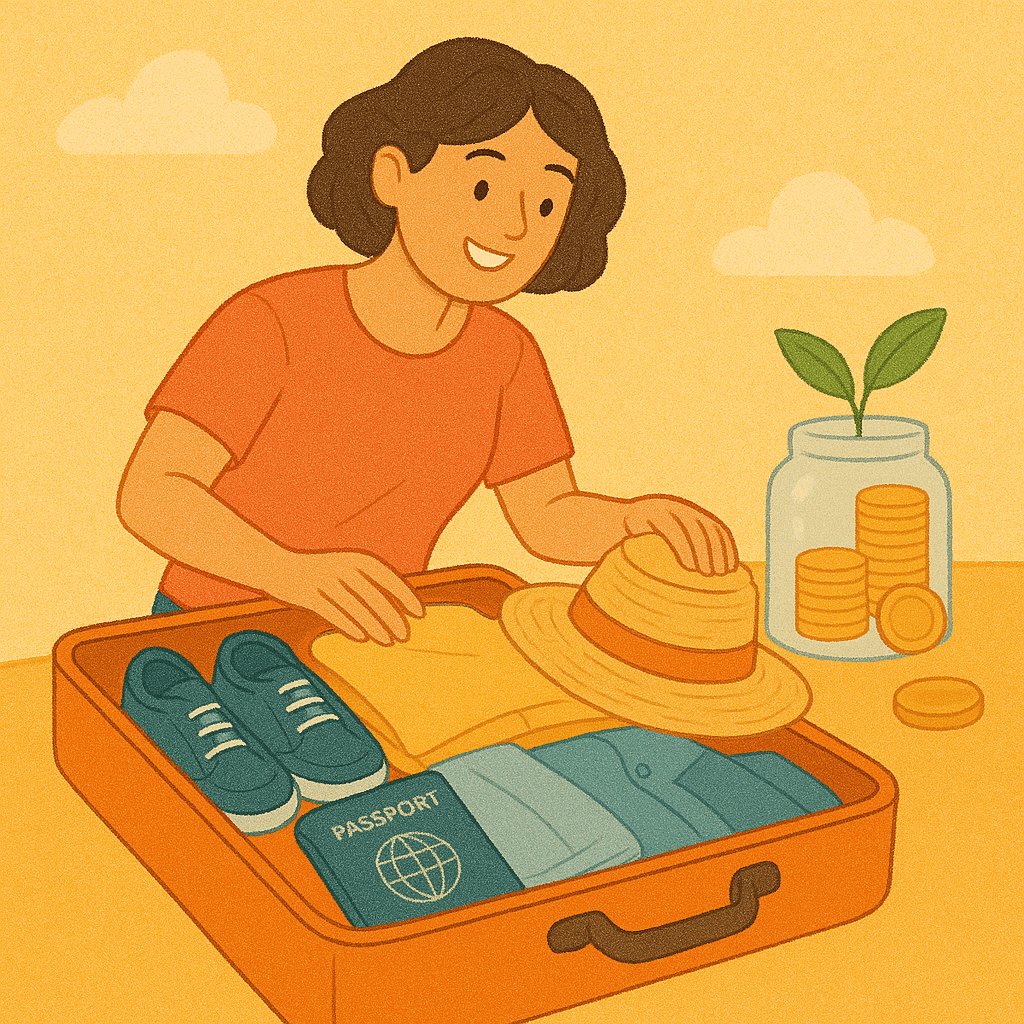
Dreaming of a tropical beach getaway, a bustling city escape, or an adventurous mountain trek? Travel is an incredible way to create unforgettable memories, explore new cultures, and recharge your batteries. But let’s be honest: the thought of funding that dream trip can quickly turn a blissful daydream into a stressful financial worry.
Many people think travel and finance are at odds, believing that exploring the world requires a massive budget. Not true! With smart planning and savvy spending habits, you can embark on incredible adventures without breaking the bank. This guide will help you create a realistic travel budget, save money effectively, and enjoy your trip without the post-vacation financial hangover.
The Power of a Travel Budget: Your Trip’s Financial GPS
Just like you budget for your daily expenses, creating a specific travel budget is the first and most crucial step for any trip. It’s your financial GPS, guiding your spending and ensuring you stay on track. Without one, it’s easy to overspend on impulse buys, expensive meals, or last-minute bookings.
Here’s why a travel budget is a game-changer:
- It sets realistic expectations: You’ll know what you can truly afford, helping you choose destinations and activities that fit your financial reality.
- It prevents overspending: By allocating funds to specific categories, you’re less likely to go overboard.
- It reduces financial stress: Knowing exactly where your money is going allows you to relax and enjoy your trip without constant worry.
- It makes saving easier: Once you have a target, you can create a focused savings plan.
Building Your Travel Budget: A Step-by-Step Approach
Ready to create your travel budget? It’s simpler than you think! Grab a spreadsheet or a notebook and follow these steps:
1. Choose Your Destination and Trip Duration
This is where the fun begins! Research potential destinations and decide how long you want to be away. Be realistic about what fits your time off and budget goals. A two-week trip to Europe will naturally cost more than a long weekend getaway a few states over.
2. Estimate Major Costs First
These are the big-ticket items that will form the backbone of your budget:
- Transportation: Flights, train tickets, bus fares, gas money, car rentals.
- Accommodation: Hotels, hostels, Airbnb, guesthouses.
- Food: Meals, snacks, drinks. This often gets underestimated!
- Activities/Excursions: Tours, museum entries, theme park tickets, adventures.
Do some initial research to get ballpark figures for these. For example, use flight comparison sites and check average hotel prices for your chosen dates.
3. Don’t Forget the “Hidden” Costs
These are the sneaky expenses that can quickly add up if you don’t account for them:
- Travel Insurance: Highly recommended for unexpected cancellations, medical emergencies, or lost luggage.
- Visa Fees/Passport Costs: If traveling internationally.
- Local Transportation: Taxis, ride-shares, public transport, walking tours.
- Shopping/Souvenirs: Factor in a small amount for gifts or mementos.
- Contingency Fund: Always add 10-15% of your total budget for unexpected expenses or emergencies. This is your “oh snap!” fund.
4. Set Your Daily Spending Limits
Once you have your total estimated cost, divide it by the number of days you’ll be traveling (excluding travel days if they’re mostly fixed costs). This gives you a daily average. Then, break down that daily average into categories like food, activities, and local transport. Sticking to a daily limit helps prevent overspending.
Smart Saving Strategies for Your Travel Fund
Now that you know how much you need, how do you get there? Here are some effective ways to boost your travel fund:
- Automate Your Savings: Set up automatic transfers from your checking account to a dedicated “Travel Fund” savings account each payday. Even small, consistent contributions add up quickly. Treat it like a bill you have to pay!
- Cut Back on Non-Essentials: Look at your current spending. Are there daily coffees, takeout meals, or subscriptions you can temporarily reduce or cut to accelerate your savings?
- Find Extra Income: Can you pick up a side gig, sell unused items, or do some freelancing? Even a few extra dollars a week can make a big difference in reaching your travel goal faster.
Actionable Tips for Saving Money While Traveling
Even after budgeting and saving, there are plenty of ways to keep costs down during your trip:
- Cook Some Meals: If your accommodation has a kitchen, hit up local grocery stores. Eating out for every meal is a major budget killer.
- Utilize Public Transportation or Walk: It’s often cheaper, and a great way to experience a city like a local. Plus, walking is free and healthy!
- Look for Free Activities: Many cities offer free walking tours, parks, museums (on certain days), and cultural events.
- Travel During Off-Peak Seasons: Flights and accommodations are often significantly cheaper outside of major holidays and peak tourist times. You’ll also encounter fewer crowds!
Conclusion
Travel doesn’t have to be a luxury reserved for the super-rich. By embracing the principles of budgeting and smart saving money strategies, you can make your travel dreams a reality. It all starts with a clear plan and consistent effort.
So, stop just dreaming about your next adventure and start planning for it! Create your travel budget today, set up those automatic savings, and get ready to explore the world without the financial stress. Where are you planning to go first? Share your dream destinations and any savvy budget tips you have in the comments below!