Executive Summary
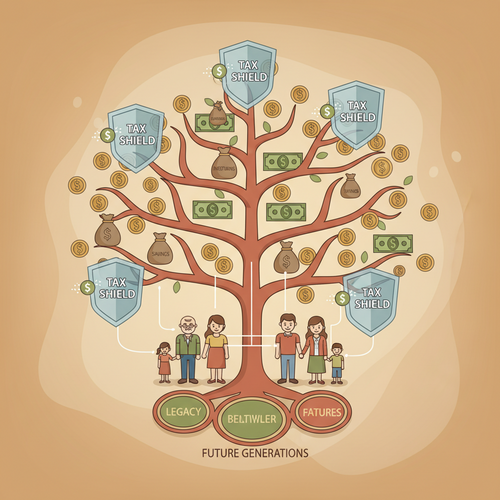
- Intergenerational wealth transfer demands sophisticated planning. It extends beyond simple estate management.
- Optimizing tax-advantaged vehicles is paramount. This ensures capital preservation across generations.
- Strategic diversification mitigates systemic risks. It enhances microeconomic wealth accumulation effectively.
Intergenerational wealth management presents unique complexities. It necessitates a multi-faceted approach. Traditional investment paradigms often fall short. They do not fully address dynastic capital preservation. This framework explores advanced strategies. It focuses on tax-advantaged diversification. The goal is robust microeconomic wealth accumulation. Such strategies transcend basic financial planning. They embody a holistic wealth ecosystem.
Financial stewards face evolving regulatory landscapes. Market volatility demands agile responses. Effective strategies integrate tax efficiency. They also incorporate sophisticated risk management. This ensures sustainable growth. It supports asset protection for future beneficiaries. The imperative is clear: optimize every aspect of the wealth transfer continuum.
Conceptual Framework: Intergenerational Wealth Transfer Mechanics
Intergenerational wealth transfer involves more than asset conveyance. It encompasses a complex interplay of legal, tax, and investment considerations. Dynastic planning requires foresight. It anticipates future economic conditions. It also considers beneficiary needs. A robust framework supports seamless transitions. It minimizes erosion from taxation and market forces.
Defining Dynastic Capital Preservation
Dynastic capital preservation focuses on long-term value retention. It prioritizes the real growth of wealth. This avoids nominal increases negated by inflation or taxes. Strategies often include permanent trusts. These structures provide asset protection. They also offer multi-generational stewardship. Philanthropic endeavors can further enhance this framework. They often combine social impact with tax advantages.
The Microeconomic Nexus of Family Wealth
Family wealth operates within a microeconomic ecosystem. Each decision impacts subsequent generations. Asset allocation choices influence future capital availability. Tax efficiency directly affects net returns. Understanding this nexus is crucial. It informs strategic resource deployment. It also guides long-term financial architecture. The objective is sustained prosperity. This is achieved through careful asset management.
Strategic Tax-Advantaged Vehicles: Optimizing Legacy Assets
Leveraging tax-advantaged vehicles is a cornerstone. It supports intergenerational wealth transfer. These tools shield assets from immediate taxation. They allow for compounding growth. This significantly amplifies long-term returns. Careful selection aligns with specific dynastic objectives.
Irrevocable Life Insurance Trusts (ILITs)
Irrevocable Life Insurance Trusts (ILITs) are powerful instruments. They remove life insurance proceeds from the grantor’s taxable estate. This ensures tax-free liquidity. Beneficiaries receive funds without estate tax burdens. The trustee manages policy premiums. They also oversee distribution protocols. This structure is critical for estate tax mitigation.
Grantor Retained Annuity Trusts (GRATs)
Grantor Retained Annuity Trusts (GRATs) facilitate wealth transfer. They minimize gift taxes. The grantor contributes assets to the trust. They receive an annuity for a set term. Any appreciation exceeding the IRS 7520 rate passes tax-free. This strategy is particularly effective. It works well in low-interest-rate environments. It also suits assets with high growth potential.
529 Plans and Roth Conversions for Educational Funding
529 plans offer tax-advantaged growth for educational expenses. Contributions are often state tax-deductible. Withdrawals are tax-free if used for qualified costs. Roth conversions also play a role. They enable tax-free distributions in retirement. Converting traditional IRAs to Roth IRAs can benefit heirs. They inherit a tax-free income stream. This supports both educational and retirement funding.
Diversification Paradigms: Beyond Traditional Asset Allocation
Modern diversification transcends basic portfolio theory. It incorporates alternative assets. It also considers uncorrelated revenue streams. This approach minimizes idiosyncratic risks. It enhances overall portfolio resilience. Intergenerational wealth demands this advanced perspective. It protects against systemic market shocks.
Integrating Real Assets and Private Equity
Real assets provide tangible diversification. Examples include real estate, infrastructure, and commodities. These often act as inflation hedges. They can offer stable cash flows. Private equity investments unlock growth opportunities. They typically involve illiquid, high-potential ventures. These assets reduce public market correlations. They enhance long-term risk-adjusted returns.
Alternative Investment Vehicles and Absolute Return Strategies
Hedge funds and private credit offer distinct advantages. They pursue absolute returns. Their performance often de-correlates from traditional markets. Managed futures provide further diversification. They capitalize on market trends across various asset classes. These complex instruments require significant due diligence. They demand sophisticated risk modeling. Diversification through these channels enhances portfolio robustness. It reduces volatility across economic cycles.
Expert Insight: “In analyzing recent market shifts, portfolios lacking adequate real asset and private equity exposure often exhibit heightened sensitivity to inflationary pressures. Strategic allocation to these uncorrelated asset classes provides a crucial buffer for multi-generational wealth preservation.” This underscores the importance of a broad asset class perspective.
Microeconomic Impact: Family Office Structures and Philanthropy
Family offices provide integrated wealth management services. They extend beyond investment advice. They encompass tax planning, legal counsel, and lifestyle management. This centralized approach optimizes microeconomic efficiency. It streamlines intergenerational transitions. Philanthropy also plays a vital role. It offers both social returns and tax benefits.
Single-Family Office (SFO) vs. Multi-Family Office (MFO)
Single-Family Offices (SFOs) cater exclusively to one wealthy family. They offer bespoke services. MFOs serve multiple families. They leverage economies of scale. The choice depends on asset complexity and cost-benefit analysis. Both structures aim to centralize wealth management. They provide coordinated financial stewardship. This ensures consistent application of intergenerational strategies.
Strategic Philanthropy and Donor-Advised Funds (DAFs)
Philanthropy can integrate seamlessly into wealth plans. Donor-Advised Funds (DAFs) offer immediate tax deductions. Donors recommend grants to charities over time. This provides flexibility and control. Charitable Lead Trusts (CLTs) and Charitable Remainder Trusts (CRTs) also offer advantages. They generate income for beneficiaries while benefiting charities. These tools align financial goals with social impact.
Risk Mitigation Strategies: Navigating Regulatory and Market Volatility
Effective risk mitigation is non-negotiable. It protects intergenerational wealth. Regulatory changes can swiftly alter tax landscapes. Market volatility demands proactive adjustments. A dynamic risk framework is essential. It safeguards against unforeseen challenges.
Adapting to Evolving Tax Legislation
Tax codes are rarely static. Proactive monitoring of legislative developments is critical. Estate tax exemptions can shift. Income tax rates may fluctuate. Tax-advantaged investments require continuous review. Adjustments to trust structures or gift strategies are often necessary. This ensures ongoing compliance and optimization. Remaining agile is paramount.
Currency Hedging and Geopolitical Risk Management
Global portfolios face currency fluctuations. Strategic currency hedging can mitigate exchange rate risks. Diversifying across different geopolitical regions further reduces concentration risk. Monitoring international relations is crucial. Trade policies and political stability impact asset values. A global perspective informs robust risk management protocols. It protects assets from localized shocks.
Succession Planning Imperatives: Governance and Education
Effective succession planning extends beyond legal documents. It involves preparing future generations. This includes financial literacy and governance training. Educated beneficiaries become responsible stewards. A clear governance framework ensures continuity. It minimizes potential family disputes.
Developing Financial Acumen in Future Generations
Financial education is a long-term investment. It equips heirs with necessary skills. This includes understanding investment principles. It also covers fiduciary responsibilities. Workshops, mentorships, and practical experience are invaluable. Empowering future generations ensures sustained wealth management. It fosters a culture of financial prudence.
Establishing Robust Family Governance Frameworks
Family governance defines roles, responsibilities, and decision-making processes. A family constitution can formalize these principles. It addresses asset management, distribution policies, and conflict resolution. Regular family meetings foster transparency. They build consensus. Strong governance structures ensure the continuity of the family’s financial legacy. They preserve family harmony.
Advanced Portfolio Rebalancing: Dynamic Intergenerational Alignment
Portfolio rebalancing is not a static exercise. It must dynamically align with intergenerational objectives. Market shifts, beneficiary needs, and economic cycles necessitate adjustments. This ensures the portfolio remains optimized for long-term growth and protection.
Quantitative Rebalancing Methodologies
Quantitative models guide rebalancing decisions. These include constant proportion portfolio insurance (CPPI) and constant mix strategies. They help maintain target asset allocations. Algorithmic rebalancing can execute trades efficiently. It reduces emotional biases. These methodologies ensure systematic risk management. They preserve the integrity of the long-term investment strategy.
Integrating Life Cycle Investing Principles
Life cycle investing adjusts asset allocations based on time horizons. Younger beneficiaries may tolerate higher risk. Older generations may prefer capital preservation. Intergenerational portfolios must balance these varied timeframes. This often involves segmenting assets. It tailors strategies to individual generational needs. The overall dynastic wealth remains cohesive. Individual segments are optimized for their specific objectives.
Conclusion
Intergenerational wealth accumulation demands sophisticated foresight. It requires meticulous planning. Tax-advantaged diversification is not merely an option. It is a strategic imperative. Microeconomic principles guide optimal resource allocation. They ensure enduring capital preservation.
Integrating robust governance with financial education is vital. It empowers successive generations. Dynamic risk mitigation protects against market volatility. It also shields against regulatory shifts. The goal is sustained prosperity. This transcends a single lifetime. Are your current strategies adequately structured to ensure multi-generational financial resilience and growth?