Executive Summary
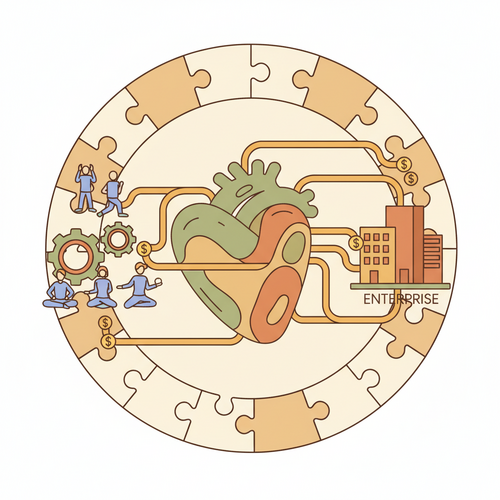
- Enterprise healthcare allocation demands strategic foresight, integrating wellness initiatives with long-term financial objectives.
- Occupational longevity, enhanced through targeted health interventions, directly correlates with sustained workforce productivity and reduced operational costs.
- Optimizing these intertwined domains cultivates a resilient human capital asset base, driving stakeholder value and competitive advantage.
Strategic Imperatives for Corporate Wellness Investment
Modern enterprises increasingly recognize human capital as a pivotal asset. Proactive investment in employee health transcends mere compliance. It forms a strategic pillar for long-term organizational success. This approach directly impacts financial performance metrics.
Corporate wellness initiatives are no longer peripheral perks. They are core components of a robust talent retention strategy. Furthermore, they contribute significantly to productivity gains. A healthy workforce inherently drives innovation and sustained output.
The Nexus of Health Capital and Shareholder Value
Quantifying the return on investment (ROI) for health capital presents a nuanced challenge. However, empirical data consistently demonstrates tangible benefits. These include diminished healthcare expenditure and enhanced workforce engagement. Shareholder value consequently appreciates from a more resilient operational framework. Investors prioritize companies with sustainable human capital practices. This focus translates into improved ESG ratings. Positive market perception often follows.
Intangible assets, such as morale and institutional knowledge, also flourish. A healthier workforce experiences lower turnover rates. This reduces recruitment and training costs. Optimized health capital directly underpins financial stability. It safeguards against unforeseen health-related liabilities. Strategic health investments align corporate welfare with market performance expectations.
Mitigating Human Capital Depreciation
Workforce health deterioration represents a significant organizational liability. Absenteeism, a direct cost, reduces immediate output. Presenteeism, where employees work while unwell, introduces hidden inefficiencies. It also compromises quality of work. Both phenomena erode human capital value. They suppress overall enterprise productivity.
Proactive health measures counteract this depreciation. Early intervention programs address emerging health risks. Comprehensive wellness initiatives foster a culture of well-being. This minimizes long-term health complications. It preserves the productive lifespan of critical personnel. Enterprises secure their intellectual capital through these preventative strategies. This forms a critical aspect of occupational longevity optimization.
Advanced Frameworks for Healthcare Allocation Modeling
Effective healthcare allocation requires sophisticated analytical models. These frameworks move beyond reactive spending. They embrace predictive and preventative methodologies. Data-driven insights inform resource distribution. This maximizes health outcomes per allocated dollar.
Enterprises utilize actuarial science and economic modeling. This evaluates diverse intervention strategies. The goal is to identify optimal allocation points. Such precision ensures resources address genuine workforce health needs. It avoids wasteful expenditure on ineffective programs.
Predictive Analytics in Benefits Program Design
Predictive analytics revolutionizes benefits program design. It forecasts future health trends within the workforce. This employs anonymized historical data sets. Machine learning algorithms identify high-risk populations. They also pinpoint prevalent health conditions. This allows for hyper-targeted benefit offerings.
Personalized health plans emerge from these insights. Employees receive relevant support. This enhances program efficacy and engagement. Data-driven design optimizes resource deployment. It shifts from generic, one-size-fits-all benefits. Instead, it moves to bespoke, impactful interventions. This approach yields superior health and financial outcomes.
Cost-Benefit Analysis of Proactive Health Interventions
Rigorous cost-benefit analysis is paramount. It quantifies the financial impact of health interventions. Initial outlays are weighed against anticipated savings. These savings stem from reduced sick days. They also include lower medical claims and enhanced productivity. Prevention strategies often demonstrate compelling long-term ROI. Vaccinations, ergonomic assessments, and stress management programs fit this category.
Detailed analyses project future healthcare expenditures. They compare these with intervention costs. This provides a clear economic rationale. Decision-makers gain objective evidence for investment. Proactive measures consistently outperform reactive treatments in efficiency. This robust financial scrutiny underpins sound allocation decisions.
Optimizing Occupational Longevity Through Preventative Measures
Occupational longevity extends beyond physical presence. It encompasses sustained cognitive function and professional engagement. Preventative measures are critical for this extended productivity. They address multifaceted health determinants. A holistic strategy ensures enduring workforce vitality.
Investing in preventative care extends career spans. It also elevates the quality of work output. Enterprises prioritize long-term employee well-being. This creates a resilient, experienced talent pool. Such a workforce offers substantial competitive advantages.
Ergonomic Design and Workplace Adaptations
Workplace ergonomics directly influences physical longevity. Poor design contributes to musculoskeletal disorders. These conditions often lead to chronic pain. They also cause lost workdays. Ergonomic assessments identify potential risks. Adaptations mitigate these hazards effectively.
Adjustable workstations, supportive seating, and proper lighting are fundamental. These enhancements reduce physical strain. They prevent repetitive strain injuries. An ergonomically sound environment fosters sustained comfort. It enables employees to work longer, more effectively. This investment safeguards physical health. It also boosts overall productivity and reduces injury claims.
Mental Well-being and Cognitive Resilience Programs
Mental health significantly impacts occupational longevity. Stress, burnout, and anxiety diminish cognitive function. They reduce decision-making capacity. Untreated mental health issues shorten productive careers. Comprehensive programs address these challenges directly.
Employee Assistance Programs (EAPs) offer confidential support. Mindfulness training enhances stress coping mechanisms. Cognitive behavioral workshops build resilience. These initiatives cultivate a psychologically safe environment. They empower employees to manage mental health proactively. Investing in cognitive resilience preserves intellectual capital. It ensures sustained high-level performance throughout professional careers.
Leveraging Digital Health Ecosystems for Workforce Empowerment
Digital health solutions are transforming enterprise wellness strategies. They provide scalable, accessible, and personalized care. Technology bridges geographical gaps in healthcare access. It also empowers employees with actionable health data. This digital integration is crucial for modern occupational longevity.
Deploying robust digital platforms enhances engagement. It simplifies health management for the workforce. These systems offer unprecedented levels of customization. They support individual health journeys effectively. This technological adoption underpins future-proof healthcare allocation.
Telemedicine and Virtual Care Integration
Telemedicine platforms offer immediate access to medical consultations. Virtual care significantly reduces barriers to healthcare. Employees can consult professionals from any location. This minimizes time off work for appointments. It also improves adherence to treatment plans.
Integration of virtual care enhances diagnostic efficiency. It supports chronic disease management. Telemedicine reduces emergency room visits for non-urgent issues. This translates into substantial cost savings. It also boosts overall employee convenience. Virtual care is a cornerstone of modern, accessible enterprise healthcare. It promotes continuous health monitoring and intervention.
Personalized Health Records and Data Security
Personalized Health Records (PHRs) consolidate individual health data. This provides a comprehensive view of an employee’s medical history. Secure, encrypted systems manage these sensitive records. Compliance with HIPAA and other privacy regulations is paramount. Employees gain agency over their health information.
Data security protocols are non-negotiable. Robust encryption, access controls, and regular audits protect sensitive information. This builds trust among the workforce. PHRs facilitate proactive health management. They enable more informed medical decisions. Data integrity and privacy are foundational to successful digital health ecosystems.
Financial Structuring of Enterprise Health Initiatives
The fiscal architecture of enterprise health initiatives is complex. It requires strategic financial planning. Optimizing healthcare costs involves more than just selecting insurance plans. It demands innovative structuring and risk management. Companies seek sustainable models for long-term health investment.
Understanding various funding mechanisms is critical. This includes self-insurance, health savings accounts, and wellness incentives. Each option presents distinct financial implications. Careful selection aligns health benefits with corporate financial objectives.
Health Savings Accounts (HSAs) as Strategic Tools
Health Savings Accounts (HSAs) offer significant tax advantages. They pair with high-deductible health plans (HDHPs). Contributions are tax-deductible. Funds grow tax-free. Withdrawals for qualified medical expenses are also tax-free. HSAs empower employees to save for future healthcare costs. This promotes financial literacy regarding health expenditures.
For enterprises, HSAs encourage cost-consciousness among employees. They can reduce premium costs associated with traditional plans. HSAs function as a powerful retirement savings vehicle for health. They provide a strategic pathway for long-term healthcare funding. This makes them invaluable for occupational longevity planning.
Learn more about Health Savings Accounts on Investopedia.
Self-Funded Insurance Models and Risk Mitigation
Self-funded insurance models offer enterprises greater control. Companies assume direct responsibility for employee medical claims. This bypasses traditional insurance carriers. It provides flexibility in plan design. Self-funding can result in substantial cost savings. This is particularly true for organizations with healthy workforces.
However, self-funding introduces direct financial risk. Stop-loss insurance mitigates catastrophic claim exposure. Actuarial analysis assesses historical claims data. This informs adequate reserve allocation. Prudent risk management is essential. Self-funded models require sophisticated oversight. They offer a powerful tool for cost optimization. They also enhance customization of benefits.
Measuring Impact: Metrics for Healthcare ROI and Longevity Gains
Accurate measurement is crucial for validating health investments. Enterprises must track beyond simple medical cost reductions. A comprehensive suite of KPIs reveals true program efficacy. This includes both tangible and intangible benefits. Robust metrics prove the value of occupational longevity initiatives.
Data analytics provides insights into workforce health trends. It identifies areas for improvement. Continuous evaluation refines healthcare allocation strategies. This ensures resources deliver maximum impact. Measurement transforms wellness programs from expenses to strategic investments.
Key Performance Indicators (KPIs) Beyond Medical Spend
Traditional metrics often focus solely on medical claims. A broader perspective includes absenteeism rates and presenteeism impact. Employee engagement scores offer qualitative insights. Productivity metrics, such as output per employee, are also vital. Turnover rates, particularly among critical talent, reflect workforce satisfaction. Reduced workers’ compensation claims signify improved safety.
These KPIs paint a holistic picture. They demonstrate the ripple effect of health investments. Beyond direct medical costs, they capture improved morale. They also reflect enhanced company culture. Tracking these indicators proves the comprehensive value proposition. It validates investments in occupational longevity.
Longitudinal Cohort Studies in Workforce Health
Longitudinal studies offer deep insights into health trajectories. They track specific employee groups over extended periods. This reveals long-term impacts of health interventions. It identifies emerging health patterns. Cohort analysis allows for precise correlation. It links wellness program participation to health outcomes. This methodology provides robust evidence for efficacy.
Such studies can differentiate program effects from external variables. They refine future allocation strategies. Understanding long-term health dynamics is paramount. It ensures sustainable occupational longevity. These advanced research methods inform strategic planning. They optimize future healthcare resource deployment.
Expert Insight: “Enterprises neglecting the synergistic relationship between robust healthcare allocation and occupational longevity risk significant erosion of human capital. Strategic investment in wellness is not merely an expenditure; it is an equity contribution to a firm’s most valuable asset.”
Regulatory Compliance and Ethical Considerations in Health Data
Managing employee health data requires strict adherence to regulations. Laws like HIPAA safeguard patient privacy. Global frameworks like GDPR add further complexity. Ethical considerations extend beyond legal minimums. Trust and transparency are paramount.
Organizations must navigate this intricate landscape diligently. Non-compliance carries severe penalties. It also damages corporate reputation. A strong ethical framework builds employee confidence. It fosters participation in wellness programs. Data governance is a critical component of any health strategy.
HIPAA and GDPR Implications for Employee Health Data
The Health Insurance Portability and Accountability Act (HIPAA) mandates privacy. It secures protected health information (PHI) in the U.S. Enterprises handling health data must comply. This applies to plan administrators and healthcare providers. Strict protocols prevent unauthorized access and disclosure. Training ensures all personnel understand obligations.
The General Data Protection Regulation (GDPR) impacts global operations. It imposes stringent data protection requirements. This includes employee health data for EU citizens. Consent, data minimization, and accountability are key principles. Organizations must implement robust data governance frameworks. This ensures adherence to both domestic and international privacy laws.
Explore Department of Labor resources on Health Plans.
Fairness and Equity in Benefit Distribution
Benefit distribution must uphold principles of fairness. All employees should have equitable access to health resources. Disparities in access or coverage undermine morale. They can also lead to legal challenges. Designing inclusive benefit packages is crucial. This addresses the diverse needs of the workforce.
Consideration for varying demographics is essential. Age, socioeconomic status, and cultural background influence health needs. Universal access to core benefits forms the foundation. Supplemental options can address specific requirements. Ethical allocation ensures no employee is disadvantaged. This fosters a just and supportive work environment. It contributes to sustained occupational longevity for all.
Conclusion
Enterprise healthcare allocation and occupational longevity optimization represent critical strategic imperatives. Proactive investment in human capital delivers substantial, measurable returns. This transcends mere cost containment. It cultivates a resilient, productive, and engaged workforce. Organizations secure their future competitiveness through this integrated approach.
Embracing advanced analytical frameworks enhances allocation precision. Leveraging digital health ecosystems broadens access. Rigorous measurement validates the profound impact of these initiatives. Strategic financial structuring ensures sustainability. Adherence to regulatory and ethical standards builds foundational trust. What strategic shifts will your enterprise enact to optimize its human capital for enduring success?