Executive Summary
- Monetary policy calibrations profoundly influence national and global macroeconomic debt structures.
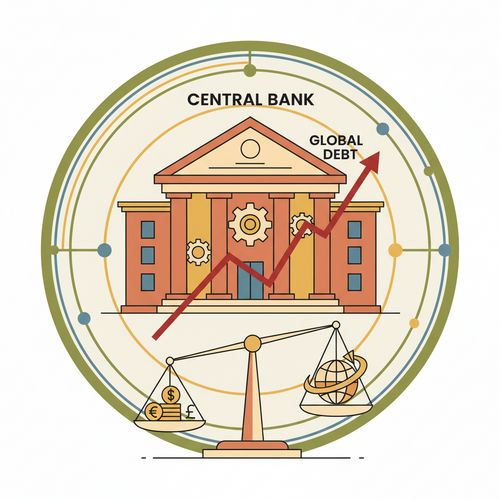
- Central bank actions, from interest rate adjustments to quantitative easing, directly impact debt servicing costs and sustainability.
- Understanding these intricate mechanisms is crucial for investors and policymakers navigating complex financial landscapes.
The Intricacies of Monetary Policy Calibrations
Monetary policy represents a central bank’s actions. These actions manage money supply and credit conditions. Their primary goal involves fostering economic growth and price stability. Precision in these calibrations is paramount. Even minor adjustments can ripple through global financial systems. Policymakers constantly assess evolving economic indicators.
Core Instruments of Central Banks
Central banks deploy several key instruments. These tools enable them to achieve their policy objectives. Each instrument carries distinct implications for debt dynamics. Understanding their application is critical.
- Policy Interest Rates: Adjusting benchmark rates influences borrowing costs. This impacts everything from consumer loans to government bond yields.
- Quantitative Easing (QE): Large-scale asset purchases inject liquidity. QE aims to lower long-term interest rates.
- Reserve Requirements: Altering the fraction of deposits banks must hold. This affects the lending capacity of financial institutions.
- Forward Guidance: Communicating future policy intentions. This shapes market expectations and investor behavior.
These instruments are not independent. Their combined effect dictates the overall monetary stance. In analyzing recent market shifts, we observe heightened reliance on unconventional measures. This introduces new complexities for macroeconomic stability. Monetary policy seeks to balance various economic objectives. These include controlling inflation and ensuring full employment. Calibrations require foresight and adaptability.
Transmission Mechanisms to Macroeconomic Debt
Monetary policy impacts debt through various transmission channels. These mechanisms dictate how central bank decisions translate into debt outcomes. Direct and indirect effects are both significant. Investors must track these pathways carefully.
Interest Rate Channels and Debt Servicing
Adjustments to policy interest rates directly influence debt servicing costs. Higher rates increase the burden on existing variable-rate debt. They also raise the cost of new borrowing. Governments with substantial debt face magnified fiscal pressures. Corporations see their financing expenses climb. Households with mortgages or consumer credit also feel the pinch. Conversely, lower rates provide relief. They reduce debt burdens, potentially stimulating investment. This can also encourage excessive leverage. Understanding this channel is fundamental for debt sustainability assessments.
Exchange Rate Effects on External Debt
Monetary policy impacts exchange rates. Interest rate differentials often drive currency movements. A stronger domestic currency can reduce the local currency value of foreign-denominated debt. This benefits borrowers. A weaker currency, however, inflates external debt burdens. Emerging markets are particularly vulnerable. Their external debt is often denominated in major reserve currencies. Exchange rate volatility introduces significant financial risk. This directly affects a nation’s ability to service its foreign obligations.
Quantitative Easing and Fiscal Dominance Risks
Unconventional monetary policies, like Quantitative Easing (QE), alter debt landscapes significantly. Central banks purchase government bonds. This expands their balance sheets. It also directly lowers government borrowing costs. QE aims to stimulate aggregate demand. It can also blur the lines between monetary and fiscal policy. This raises concerns about fiscal dominance. When central banks continuously facilitate government spending through bond purchases, fiscal discipline may erode. This risks long-term macroeconomic stability.
Expert Insight: Unconventional monetary tools introduce complex liabilities. They can normalize expanded government borrowing, creating moral hazard and future inflation risks.
Sovereign Debt Accumulation Dynamics
QE programs have enabled massive sovereign debt accumulation. Governments could borrow cheaply. This supported pandemic responses and other spending initiatives. However, this also increased public debt-to-GDP ratios. Future monetary tightening poses risks. Higher interest rates will increase sovereign debt service costs. This could crowd out essential public spending. It may even lead to debt distress for vulnerable nations. Prudent fiscal management becomes critically important. Policymakers must plan for eventual normalization. Sovereign debt sustainability is a key metric.
Inflationary Pressures and Real Debt Erosion
Monetary policy calibrations also affect inflation. Expansive policies can fuel price increases. Inflation has complex effects on debt. It can erode the real value of outstanding debt. This benefits debtors, including governments and corporations. However, unchecked inflation destabilizes economies. It hurts savers and fixed-income earners. Central banks face a delicate balancing act. They must manage inflation without triggering an economic downturn. This dilemma is a constant challenge for policymakers.
The Dilemma of Inflation Targeting
Many central banks operate under an inflation-targeting framework. This aims to keep inflation within a specific range. However, recent global supply chain disruptions and geopolitical events have complicated this. Aggressive monetary tightening to combat inflation can significantly increase debt service costs. This impacts both public and private sectors. Conversely, tolerating higher inflation might reduce the real debt burden. This comes at the cost of economic uncertainty and potential social unrest. The trade-off requires careful calibration and clear communication. Market participants watch these policy decisions closely. The credibility of central banks is at stake.
Global Spillovers and Cross-Border Debt Vulnerabilities
Monetary policy decisions in major economies ripple globally. The Federal Reserve’s actions, for instance, significantly influence capital flows. They also affect exchange rates in developing nations. This creates substantial cross-border debt vulnerabilities. Global financial interconnectedness means domestic policies are rarely isolated. These spillovers demand international policy coordination. Lack of coordination can exacerbate financial instability.
Emerging Market Debt Exposures
Emerging markets (EMs) are particularly susceptible to global monetary shifts. Higher interest rates in advanced economies attract capital. This can lead to capital outflows from EMs. EM currencies often depreciate as a result. This increases the local currency cost of their foreign-denominated debt. Many EMs have accumulated substantial dollar-denominated debt. A strong dollar makes this debt more expensive to service. This raises the risk of debt crises. Prudent macroeconomic management in EMs is crucial. They must build sufficient foreign exchange reserves. This provides a buffer against external shocks.
Market Warning: Global liquidity shifts demand vigilant risk assessment. Unforeseen capital flight can destabilize highly leveraged economies rapidly.
Debt Sustainability Frameworks and Policy Trade-offs
Policymakers employ various frameworks to assess debt sustainability. These tools help evaluate a nation’s capacity to service its debt. They consider factors like economic growth, fiscal revenues, and interest rates. The interplay between monetary and fiscal policy is central. Sustainable debt levels are dynamic. They depend on prevailing economic conditions. Achieving debt sustainability often involves difficult policy trade-offs. Governments must balance immediate needs with long-term fiscal health. This requires a credible medium-term fiscal plan.
Balancing Growth and Fiscal Prudence
Striking a balance between economic growth and fiscal prudence is challenging. Expansionary fiscal policies can stimulate growth. However, they may also increase public debt. Monetary policy supports growth by keeping borrowing costs low. Yet, this can also encourage excessive leverage. A coordinated approach is essential. Fiscal policy should complement monetary efforts. It should not undermine long-term debt sustainability. Structural reforms are often necessary. These reforms aim to boost productivity and revenue collection. This strengthens a nation’s ability to manage its debt effectively.
Historical Precedents and Future Projections
History provides valuable lessons regarding monetary policy and debt. Periods of high inflation often precede debt restructurings. Eras of ultra-low interest rates can foster asset bubbles. Understanding past events informs future strategies. The 2008 financial crisis and the COVID-19 pandemic offered unique insights. Central banks responded with unprecedented measures. These actions prevented deeper economic collapses. However, they also led to massive increases in public debt. We are currently navigating the repercussions of these decisions.
Lessons from Past Debt Crises
Past debt crises highlight several critical lessons. Excessive leverage, both public and private, is a common precursor. Inadequate regulatory oversight often contributes to instability. Lack of fiscal discipline exacerbates vulnerabilities. Timely and decisive policy responses are crucial. International cooperation can mitigate contagion risks. Furthermore, transparency in debt reporting is paramount. Ignoring early warning signs can lead to severe economic contractions. Future monetary policy calibrations will need to internalize these historical lessons. They must prioritize long-term stability over short-term expediency. Navigating upcoming economic cycles requires adaptive and robust frameworks.
Conclusion
Monetary policy calibrations exert profound and multifaceted influences on macroeconomic debt. Central bank decisions on interest rates, quantitative easing, and forward guidance reshape debt servicing costs, exchange rate dynamics, and inflation expectations. These actions dictate the trajectory of sovereign, corporate, and household debt. Furthermore, they propagate globally, creating complex interdependencies. Vigilant analysis of these mechanisms is imperative. Policymakers must balance growth objectives with debt sustainability. Future economic resilience hinges on these delicate calibrations. How will global central banks navigate the impending challenges of elevated debt burdens and persistent inflationary pressures?