Are you tired of feeling like you’re always playing catch-up with your money? Many people struggle to save, often finding their bank accounts empty before they can even think about putting money aside. It’s a common financial dilemma.
Imagine a world where saving isn’t a chore, but an automatic habit that builds your wealth effortlessly. This isn’t a pipe dream; it’s the core principle behind the incredibly effective “Pay Yourself First” budgeting technique. It completely flips traditional budgeting on its head.
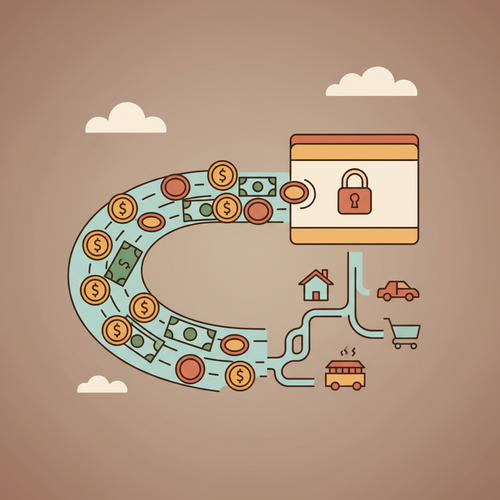
This method focuses on making saving and investing your top financial priority. Instead of saving what’s left over at the end of the month, you set aside a portion of your income right when you get paid. This simple shift can revolutionize your financial life.
It’s about taking control and ensuring your future self is well-funded. Think of it as paying your most important bill – the one to yourself – before anything else. You deserve to be financially secure.
Quick Summary:
- 🚀 Prioritize your savings and investments before any other expenses.
- 💡 Automate transfers to make saving effortless and consistent.
- 📈 Build wealth steadily and reach your financial goals faster.
What Exactly is “Pay Yourself First”?
At its heart, “Pay Yourself First” means **committing to saving and investing a portion of your income** immediately after you receive it. This isn’t about budgeting every single coffee; it’s about securing your financial future first.
Unlike traditional budgeting, where savings often come last, this technique ensures your long-term goals are always met. You move money into dedicated savings or investment accounts before you pay rent, groceries, or entertainment. It’s a powerful proactive approach.
Pro Tip: In my experience, the biggest mistake beginners make is waiting until the end of the month to save. By then, unexpected expenses or impulse buys often deplete available funds. Pay yourself first to avoid this trap!
How to Implement “Pay Yourself First”
Ready to put this powerful technique into action? It’s simpler than you might think, and the key is automation. Automation is your secret weapon here.
- Step 1: Determine Your Target Amount. Decide how much you want to save or invest each pay period. Even a small percentage, like 5-10%, can make a huge difference over time. Consistency beats intensity every time.
- Step 2: Set Up Automatic Transfers. This is critical. Immediately after your paycheck hits your account, have a set amount or percentage automatically transferred to your savings, emergency fund, or investment accounts. Automate it and forget it.
- Step 3: Adjust and Review. As your income changes or your financial goals evolve, revisit your savings amount. Can you increase it? Even a small bump can accelerate your progress significantly. Regular review keeps you on track.
Remember, the money you “pay yourself” should go into accounts that are separate from your everyday spending. This makes it harder to dip into those funds for non-essential purchases. Segregation is key for success.
Benefits You’ll Love
Embracing the “Pay Yourself First” method brings a cascade of financial benefits. You’ll quickly see why so many financial experts champion this approach. The advantages are truly transformative.
- 💰 Build Wealth Faster: By consistently saving and investing, you leverage the power of compound interest, watching your money grow exponentially. Time in the market beats timing the market.
- 🛡️ Financial Security: An emergency fund grows reliably, providing a safety net for unexpected life events. This reduces stress and gives you peace of mind. Say goodbye to financial anxiety.
- 🎯 Achieve Goals Quicker: Whether it’s a down payment on a house, a dream vacation, or early retirement, dedicated savings accelerate your progress. Your goals become tangible realities.
- 😌 Reduced Financial Stress: Knowing your future is taken care of frees you to enjoy your present income without guilt. Financial peace is within reach.
Pay Yourself First vs. Traditional Budgeting
Let’s look at how “Pay Yourself First” stacks up against more conventional budgeting methods. This comparison will highlight why this technique stands out. Understanding the difference is crucial.
| Feature | Pay Yourself First | Traditional Budgeting (e.g., 50/30/20) |
|---|---|---|
| Savings Priority | First and foremost; automated. | Often last; what’s left after expenses. |
| Mindset | Proactive, abundance-focused. | Reactive, scarcity-focused. |
| Ease of Implementation | High, due to automation. | Can be challenging, requires constant tracking. |
| Psychological Impact | Empowering, builds discipline naturally. | Can feel restrictive, lead to guilt. |
| Long-Term Effectiveness | Very high, consistent wealth building. | Variable, depends on discipline and leftover funds. |
As you can see, the shift in priority makes a profound difference. It’s not just about managing money; it’s about changing your relationship with it. You’re building a stronger financial foundation.
Common Pitfalls & How to Avoid Them
While powerful, there are a few common traps beginners fall into. Being aware of them can help you stay on track. Forewarned is forearmed in finance.
- 🚨 Setting Unrealistic Goals: Don’t try to save 50% of your income overnight if you’re just starting. Begin with a manageable amount, like 5-10%, and gradually increase it. Start small, grow big.
- 📉 Forgetting to Adjust: Life changes! Your income might increase, or your expenses might decrease. Make sure to review and adjust your automatic transfers to optimize your savings. Flexibility is key for longevity.
- 💸 Dipping into Savings: This is a big one. Once the money is transferred, treat it as untouchable. This is for your future, not for impulse purchases. Discipline protects your progress.
Warning: I’ve seen many people get discouraged because they tried to save too much too fast. This leads to burnout and abandoning the strategy. Patience and consistency are your allies.
Remember, the goal is sustainable growth, not a sprint. Be kind to yourself, but firm with your financial commitments. Your future self will thank you.
Advanced Tips for Maximizing Your Savings
Once you’ve mastered the basics, consider these advanced strategies to supercharge your “Pay Yourself First” efforts. There’s always room for optimization.
- 🔗 Link to Debt Repayment: If you have high-interest debt, consider making extra principal payments another “pay yourself first” item. Reducing debt is like a guaranteed return on investment. Tackle debt strategically.
- ⬆️ Automate Increases: Some banks or investment platforms allow you to schedule automatic increases to your transfers over time (e.g., an extra $5 per month). This is a painless way to save more. Set it and forget it, again.
- 💼 Utilize Retirement Accounts: Maximize contributions to 401(k)s, IRAs, or other tax-advantaged accounts. Employer matches are essentially free money! Don’t leave free money on the table.
Exploring different investment vehicles can also enhance your returns. Consider consulting a financial advisor once you have a solid emergency fund. Knowledge is power in personal finance.
For more detailed insights on market trends and personal finance, check out resources like Bloomberg or Investopedia. Keeping informed is part of the process. Stay educated, stay empowered.
The Real-World Impact on Your Life
In my years of advising individuals on financial wellness, I’ve seen firsthand how transformative “Pay Yourself First” can be. It’s not just a budget; **it’s a paradigm shift in how you view and manage your money.**
Clients who adopt this method often report a significant reduction in financial stress and a greater sense of control. They move from a reactive “spend and hope to save” mentality to a proactive “save and then spend” approach. This mental shift is priceless.
For instance, one client, Sarah, started with just $50 per paycheck. Within a year, she had a fully funded emergency fund and was contributing to an IRA. Her confidence in her financial future soared.
This technique empowers you to build a buffer against life’s uncertainties and actively work towards your dreams. It’s about securing your peace of mind. Your financial freedom starts here.
You can also find valuable tools and insights on reputable sites like Fidelity or Charles Schwab to help manage your investments. These platforms often provide calculators and educational content. Leverage expert resources.
Conclusion
The “Pay Yourself First” budgeting technique is more than just a financial strategy; **it’s a commitment to your future self**. By prioritizing your savings and investments, you create an automatic pathway to financial security and wealth accumulation.
It removes the guesswork and the guilt, replacing them with consistent, effortless progress. No more hoping there’s money left over; **you make sure there is money for you, first.**
Start small, stay consistent, and watch your financial landscape transform. Your journey to financial freedom begins with that first automatic transfer.
What steps will you take this week to start paying yourself first?