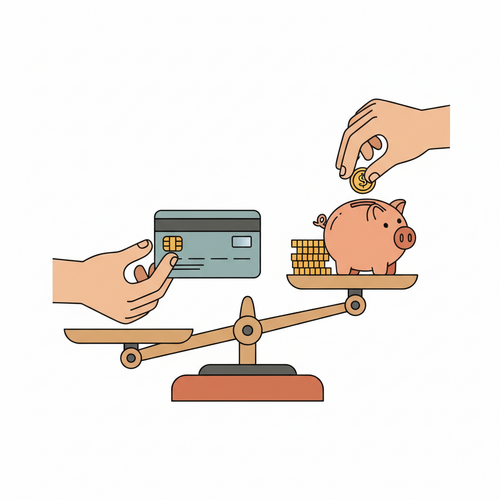
Getting your first credit card is a significant milestone in your journey toward financial independence. It represents an exciting opportunity to build your financial foundation for the future. However, for many beginners, this step also brings a reasonable amount of anxiety. The fear of falling into a cycle of debt is a valid concern that requires a strategic approach. Consequently, this comprehensive guide will help you navigate the process. You will learn to choose the right card and use it as a powerful wealth-building tool from day one.
Many people view credit cards as “free money,” but this is a dangerous misconception. In reality, a credit card is a high-interest loan that requires immense discipline. If you handle it correctly, you can unlock better insurance premiums and lower interest rates on future mortgages. Therefore, our goal is to equip you with essential knowledge. We want you to harness the power of credit without ever encountering the pitfalls of high-interest debt.
Quick Summary: Mastering Your First Credit Card Debt-Free
- 💳 Start Simple: Opt for secured cards or student options with low, manageable credit limits.
- 💰 Pay in Full: Always pay your entire balance every month to bypass interest charges completely.
- 🎯 Budget First: Create a solid budget before you ever swipe your new card.
- ✅ Monitor Regularly: Check your statements and credit reports consistently to catch errors early.
Understanding the Credit Card Game: More Than Just Spending
A credit card essentially allows you to borrow money up to a pre-approved limit set by the bank. When you make a purchase, the financial institution pays the merchant on your behalf. Afterward, you owe the bank that specific amount. At the end of your billing cycle, the bank sends a statement detailing your transactions. You then enter a grace period, which typically lasts between 21 and 25 days. If you pay the full balance during this window, you avoid interest entirely.
However, if you carry a balance into the next month, the bank applies the Annual Percentage Rate (APR). This interest can compound daily, making your debt grow much faster than you might expect. Consequently, understanding these mechanics is your first defense against financial confusion. Never sign up for a card if you do not comprehend the fine print. In my experience, many first-time cardholders fall into debt simply because they ignored these basic rules.
Jargon Buster: Key Terms Every Beginner Must Know
- 🗓️ Credit Limit: The maximum amount you can borrow at any given time.
- 💲 APR: The yearly interest rate charged on unpaid balances. Aim for 0% interest by paying in full.
- 🧾 Billing Cycle: The 30-day period where your transactions are grouped for your statement.
- 🗓️ Due Date: The deadline for your payment. Missing this damages your credit score.
- 💸 Grace Period: The interest-free window between your statement and the due date.
Before You Apply: Essential Financial Groundwork
Before comparing credit card offers, you must take an honest look at your personal finances. You need a clear picture of your monthly income and every single expense. Building this foundation is critical for responsible usage. Create a detailed budget and stick to it diligently. Knowing exactly where your money goes is the most important step for setting yourself up for success.
💡 Pro Tip: Your Budget is Your Best Shield. A solid budget is not about restriction; it is about empowerment. It shows you exactly how much you can afford to spend on your card. Furthermore, it ensures you have the cash ready to pay the bill when it arrives. You can utilize free apps or a simple spreadsheet to track your spending meticulously. This habit develops the discipline required for a healthy financial life.
Consider your spending habits with brutal honesty. Are you prone to impulse purchases? If so, you should start with a very low credit limit. This minimizes potential damage while you learn the ropes. Treat your first card as a learning tool, not an invitation to spend beyond your means. Self-awareness is the key to avoiding the debt traps that many young investors encounter.
Finding Your Match: Navigating Types of First Credit Cards
Not all credit cards are suitable for beginners. Your choice should depend on your current financial standing and credit history. If you have no credit at all, secured credit cards are often the best starting point. These cards require a cash deposit that usually acts as your credit limit. This deposit protects the bank while you prove your reliability.
After several months of on-time payments, most issuers will upgrade you to an unsecured card. At that point, you receive your initial deposit back. Another great option is a student credit card. These are specifically designed for college students with limited income. They often feature lower barriers to entry and unique rewards for good grades or academic milestones.
Comparing Secured vs. Unsecured Starter Cards
| Feature | Secured Credit Card | Unsecured (Beginner) |
|---|---|---|
| Requires Deposit? | Yes (sets your limit) | No deposit required |
| Credit History Needed | None (perfect for starters) | Limited (harder to get) |
| Typical Limit | Low ($200 – $500) | Moderate ($300 – $1,000) |
| Best For | Building credit from scratch | People with some history |
Key Features to Prioritize for Debt-Free Usage
When evaluating offers, focus on debt prevention rather than rewards. Many beginners get distracted by “cashback” and “miles.” However, if you carry a balance, the interest will far outweigh the value of those rewards. Therefore, prioritize cards with no annual fees. Your first card should be a low-cost tool for building history, not an added expense to your monthly budget.
Search for a card with a reasonable interest rate (APR), even if you plan to pay in full. Life is unpredictable, and a lower APR serves as an emergency safety net. Additionally, ensure the issuer reports your activity to all three major bureaus: Equifax, Experian, and TransUnion. This reporting is exactly how you build the credit score necessary for future car loans or home mortgages.
Essential Checklist for Your First Card
- 🚫 No Annual Fee: Keeps your costs at zero while building history.
- 📉 Low APR: Provides a safety net for unexpected emergencies.
- 💰 Manageable Limit: Prevents the temptation of massive overspending.
- 📲 Alerts & App Access: Helps you monitor spending in real-time.
The Golden Rules of Responsible Usage
Once you receive your card, you must follow the “Golden Rule”: Pay your statement in full every month. This single habit ensures you never pay a penny in interest. Treat your credit card like a debit card. Only spend money that you already have in your bank account. This mindset shift is the most effective way to avoid credit card debt forever.
You should also keep your credit utilization low. This is the percentage of your limit that you actually use. For example, if your limit is $1,000, try to keep your balance below $300 (30%). High utilization can lower your credit score, even if you pay on time. Consequently, keeping your spending low helps your score rise much faster.
⚠️ Warning: The Peril of Minimum Payments! Paying only the minimum amount is a dangerous trap. It ensures you stay in debt for years while the bank collects massive interest. If you cannot pay the full balance, you must reassess your spending immediately. Do not let the interest snowball out of control.
Building Stellar Credit Habits for a Lifetime
Building credit is a marathon, not a sprint. Consistency is your best friend. Every on-time payment builds trust with future lenders. You should also avoid applying for too many cards at once. Each application triggers a “hard inquiry” on your report, which can temporarily lower your score. Instead, focus on mastering one card before expanding your wallet.
Furthermore, you should periodically review your credit report for errors. You are entitled to a free report every year from the major bureaus. Check for unauthorized charges or accounts you did not open. This proactive approach protects you from identity theft and ensures your history is accurate. For deeper insights into credit management, visit authoritative sites like Experian or Investopedia.
Common Pitfalls and How to Avoid Them
Overspending is the most common pitfall for beginners. It is easy to lose track of spending when you only see the balance once a month. To avoid this, check your app weekly. Another trap is the cash advance. Never use your credit card at an ATM to get cash. These transactions have no grace period and charge exorbitant fees from the first second. They are an absolute last resort.
Impulse purchases can also derail your goals. Before buying something non-essential, ask yourself: “Do I have the cash for this right now?” If the answer is no, do not put it on the card. Responsible credit use requires a disciplined approach to consumption. For additional advice on smart money management, consider reading Bloomberg or Forbes. These platforms provide excellent analysis of current economic trends.
🗣️ Real Talk: Debt Snowballs Fast. Credit card interest compounds daily. A small $500 debt can quickly turn into $1,000 if you only pay the minimum. If you find yourself struggling, stop using the card immediately. Focus all your resources on paying down the debt to prevent it from consuming your financial future.
Conclusion: Your Future Self Will Thank You
Choosing your first credit card is an important step in your financial life. By understanding the basics and committing to responsible usage, you can build a strong foundation without ever falling into debt. Your card is a tool for empowerment and opportunity. Use it wisely, exercise discipline, and watch your financial stability grow over time. The habits you build today will pave the way for a prosperous future.
Are you ready to take control of your credit journey? Start by auditing your budget today. Ensure you have the discipline to handle this responsibility before you apply. By taking these proactive steps, you ensure that your first credit card becomes an asset rather than a liability. Your journey toward financial freedom starts with one smart decision at a time.