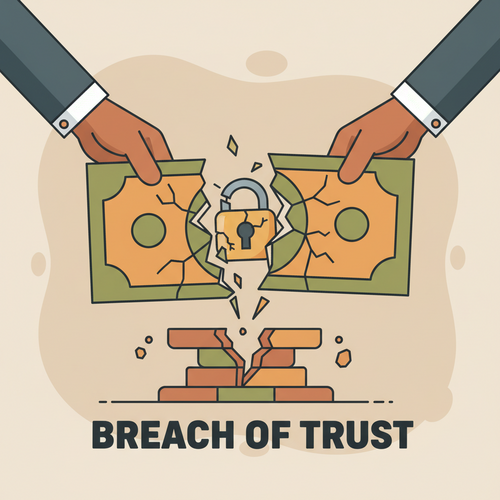
Financial infidelity, a clandestine act of deception involving money, significantly impacts relationships. This secret behavior, often hidden from a partner, can range from undisclosed debt to secret savings accounts. Understanding its nature is crucial for maintaining a healthy financial partnership. Indeed, recognizing the signs early can prevent devastating long-term consequences. Therefore, educating yourself about this complex issue is a vital step toward financial well-being.
What is Financial Infidelity?
Financial infidelity occurs when one partner makes financial decisions or engages in monetary activities without the other’s knowledge or consent. Specifically, it involves a breach of trust regarding shared financial resources or responsibilities. Consequently, this hidden behavior undermines transparency and mutual respect in a relationship. Many different forms of financial infidelity exist, each carrying its own weight of deceit. For instance, some partners might hide significant purchases. Others may conceal entire bank accounts. Conversely, this deception often stems from fear, shame, or a desire for control.
Concealing Debt
One common form involves hiding substantial debts. Perhaps one partner racks up credit card bills without the other’s awareness. Thus, they might open new cards in secret. In addition, they could take out loans that remain undisclosed. This hidden debt can accumulate rapidly, eventually impacting the couple’s joint financial stability. Often, the indebted partner fears judgment or conflict. Consequently, they choose secrecy over honesty, creating a precarious financial situation.
Secret Accounts
Another prevalent type is maintaining secret bank accounts or investment portfolios. Individuals might divert funds into these hidden accounts. Indeed, this action directly reduces the couple’s shared financial resources. Furthermore, it creates an uneven playing field. This secrecy suggests a lack of commitment to shared financial goals. Moreover, it can be a precursor to more significant financial disagreements. Therefore, complete transparency regarding all assets is fundamental.
Hidden Spending
Undisclosed spending constitutes a frequent form of financial infidelity. One partner may make significant purchases that are kept secret. For instance, they might buy luxury items or expensive hobbies without informing their partner. Often, these expenditures exceed agreed-upon budgets. Consequently, this drains shared funds. The discovery of such spending can lead to severe arguments. Moreover, it erodes the financial trust built between partners.
Misrepresenting Income or Assets
Some individuals engage in misrepresenting their income or assets. They might exaggerate their earnings or downplay their wealth. Conversely, they could hide inheritances or significant bonuses. This deception aims to control financial narratives. Furthermore, it creates a distorted view of the couple’s true financial standing. This lack of honesty makes financial planning incredibly challenging. Ultimately, it sabotages future financial security.
Gambling or Risky Investments
Engaging in secret gambling or risky investments represents another serious form. A partner might frequent casinos or invest large sums in volatile ventures. Consequently, these activities often lead to significant financial losses. These losses are then hidden from the other partner. The secretive nature exacerbates the problem. Indeed, it can quickly lead to substantial debt and financial ruin. Therefore, discussing all investment strategies is paramount.
Signs of Financial Infidelity
Identifying financial infidelity can be challenging, but certain red flags often emerge. Vigilance is key to protecting your financial future. Indeed, paying attention to subtle changes can help. Trust your instincts if something feels off. Recognizing these signs early allows for intervention. Furthermore, it opens the door for crucial conversations. Therefore, do not ignore persistent concerns about money matters.
Evasive Responses About Money
A significant sign is when a partner becomes evasive when asked about money. They might change the subject or give vague answers. Furthermore, they could become defensive or angry. This avoidance indicates a reluctance to share financial information. Transparency should be a cornerstone of any healthy financial relationship. Consequently, consistent evasion signals a problem. Indeed, open dialogue is essential.
Unexplained Cash Withdrawals or Deposits
Noticeable unexplained cash withdrawals or deposits are often suspicious. If you observe large sums entering or leaving accounts without clear reasons, investigate. Furthermore, frequent small withdrawals can also indicate secret spending. These transactions lack proper documentation. Therefore, they raise questions about their purpose. Discussing every significant transaction is a good practice. Conversely, secrecy around these movements is a red flag.
New Credit Cards or Loan Statements
Discovery of new credit card statements or loan documents addressed to your partner, previously unknown to you, is a clear warning. Perhaps new lines of credit appear. In addition, you might find collection notices for unfamiliar debts. These actions are taken without your consent. Consequently, they indicate a significant breach of trust. Reviewing credit reports periodically can help uncover these issues. Forbes offers insights into financial matters.
Changes in Spending Habits
Sudden changes in a partner’s spending habits can signal financial infidelity. They might become overly secretive about purchases. Conversely, they could show a sudden aversion to discussing budgets. Perhaps they start spending significantly more. Alternatively, they might become unusually frugal. These shifts warrant attention. Indeed, they often point to underlying financial secrets. Furthermore, they can affect the entire household budget.
Financial Documents Go Missing
A crucial sign involves financial documents going missing. Perhaps bank statements or bills disappear. In addition, credit card applications or tax forms might be hidden. This intentional concealment aims to prevent discovery. Consequently, it creates an environment of distrust. Maintaining organized and accessible financial records for both partners is important. Any disruption in this routine should prompt concern. Therefore, always ensure access to all relevant financial information.
Consequences of Financial Infidelity
The repercussions of financial infidelity extend far beyond monetary losses. Indeed, they deeply impact the emotional and practical aspects of a relationship. The damage can be long-lasting. Consequently, addressing these issues promptly is vital. Ignoring the problem only allows it to fester. Therefore, understanding the full scope of consequences encourages proactive resolution. Reuters provides global financial news and analysis.
Erosion of Trust
The most immediate and severe consequence is the erosion of trust. Financial deception shatters the foundation of honesty and transparency. Rebuilding this trust becomes an arduous process. Many couples struggle to recover from such a betrayal. Indeed, suspicion can linger for years. Furthermore, it affects all areas of the relationship. Thus, trust, once broken, is incredibly difficult to mend.
Financial Hardship
Financial infidelity often leads to significant financial hardship for the couple. Hidden debts can accumulate. Secret losses from gambling or risky investments deplete shared savings. Consequently, this can result in bankruptcy or foreclosures. The innocent partner often bears the brunt of these financial burdens. This creates stress and instability. Therefore, addressing the financial fallout requires careful planning.
Legal Ramifications
In some cases, financial infidelity can have serious legal ramifications. Debt incurred secretly might become joint responsibility. In addition, fraudulent activities could lead to legal action. Divorce proceedings often highlight financial deception. The court may consider these actions when dividing assets. Therefore, consulting legal counsel is sometimes necessary. Understanding your rights is crucial in such situations.
Emotional Distress
The emotional toll of financial infidelity is profound. The betrayed partner experiences feelings of anger, shock, and betrayal. Furthermore, they might feel foolish or naive. This emotional distress can lead to anxiety, depression, or resentment. The relationship becomes strained. Consequently, it often leads to emotional withdrawal. Seeking emotional support is essential during this difficult time.
How to Rebuild Trust After Financial Infidelity
Rebuilding trust after financial infidelity is a challenging but achievable journey. It requires commitment, patience, and transparency from both partners. This process is not instantaneous. Indeed, it demands consistent effort over time. Consequently, a structured approach often yields the best results. Therefore, both individuals must be willing to engage honestly. Bloomberg offers extensive business and market data.
Open and Honest Communication
The first step involves initiating open and honest communication. Both partners must sit down and discuss the infidelity without judgment or blame. The deceptive partner needs to confess fully. Furthermore, they must explain the reasons behind their actions. The betrayed partner needs space to express their feelings. This dialogue forms the bedrock of recovery. Consequently, maintaining calm during these discussions is crucial.
Full Disclosure
Complete financial disclosure is non-negotiable. The partner who committed the infidelity must reveal every hidden account, debt, or secret spending. This includes providing access to all financial records. For instance, bank statements, credit card bills, and investment portfolios must be shared. This transparency is vital for rebuilding trust. Therefore, nothing should remain hidden. Indeed, this step proves a genuine commitment to change.
Create a Joint Financial Plan
Working together to create a new joint financial plan is essential. This plan should outline shared goals, budgets, and spending rules. Both partners must agree on every aspect. Furthermore, it should include strategies for managing existing debts. This collaborative effort fosters a sense of shared responsibility. Consequently, it re-establishes financial accountability. This plan becomes a roadmap for future financial health.
Seek Professional Help
Often, seeking professional help from a financial therapist or counselor is beneficial. These experts provide unbiased guidance. They offer tools for communication and conflict resolution. Furthermore, they help navigate complex financial issues. This external support can be invaluable. Consequently, it facilitates healing and rebuilding. Therefore, do not hesitate to seek qualified assistance.
Implement Regular Financial Check-ins
Establishing regular financial check-ins is crucial for ongoing transparency. Schedule weekly or monthly meetings to review budgets, spending, and financial goals. Both partners should actively participate. Indeed, this ensures continuous accountability. Furthermore, it prevents future deception. These check-ins reinforce commitment to the new financial plan. Thus, they solidify rebuilding efforts over time. The Wall Street Journal provides daily news and analysis on business and finance.
Prevention is Key
Preventing financial infidelity is always better than dealing with its aftermath. Proactive measures build a strong financial foundation. Furthermore, they foster ongoing trust and understanding. Implementing these strategies early creates resilience. Consequently, it protects the relationship from future financial breaches. Therefore, prioritize open financial discussions from the start. CNBC offers real-time financial market news.
Establish Financial Ground Rules Early
Couples should establish clear financial ground rules early in their relationship. Discuss expectations regarding spending, saving, and debt. Define what constitutes transparency. Furthermore, agree on limits for individual spending. This proactive approach sets healthy boundaries. Consequently, it minimizes misunderstandings. Indeed, clear rules promote financial harmony.
Regularly Discuss Finances
Making regular financial discussions a routine part of your relationship is vital. Schedule dedicated times to review accounts, budgets, and future plans. This consistent communication keeps both partners informed. Furthermore, it allows for adjustments as circumstances change. Open dialogue prevents secrets from forming. Thus, it reinforces shared financial goals and responsibilities.
Maintain Transparency
Commit to complete financial transparency at all times. Share access to bank accounts, credit reports, and investment statements. Avoid making significant financial decisions independently. Instead, discuss and agree on them together. This fosters an environment of openness. Consequently, it builds unwavering trust. Indeed, transparency is the ultimate antidote to infidelity.
Financial Education Together
Engage in financial education together as a couple. Learn about investing, budgeting, and debt management. Attend workshops or read books on personal finance. This shared learning empowers both partners. Furthermore, it creates a common understanding of financial principles. This joint effort strengthens your financial partnership. Therefore, invest in your collective financial literacy.
Conclusion
Financial infidelity severely damages relationships and financial stability. However, recognizing the signs and understanding its consequences are the first steps toward recovery. Rebuilding trust demands honesty, transparency, and a shared commitment to financial health. While challenging, it is entirely possible to overcome this betrayal. By implementing open communication, full disclosure, and joint financial planning, couples can move forward stronger. Ultimately, fostering an environment of continuous financial transparency serves as the most effective prevention. Therefore, prioritize honesty in all financial matters to ensure a secure and trusting partnership.