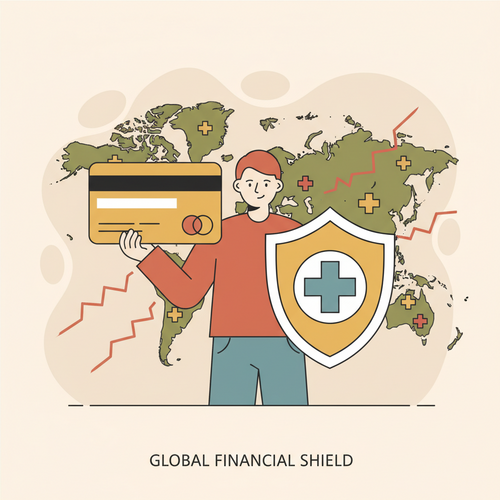
Credit card travel insurance medical emergencies present a complex and often misunderstood aspect of financial protection for many travelers. Indeed, relying solely on your credit card’s built-in benefits for unexpected health issues abroad could lead to significant financial strain. Therefore, understanding the nuances of these policies becomes absolutely crucial before embarking on any journey. This article aims to clarify what coverage you might realistically expect and, more importantly, what you might not. Consequently, you can make informed decisions about your travel insurance needs.
Understanding Credit Card Travel Insurance Benefits
Many premium credit cards offer a suite of travel-related benefits. Specifically, these often include trip cancellation, rental car insurance, and baggage delay coverage. Furthermore, some cards also provide a form of emergency medical assistance. However, the extent and limitations of this medical coverage can vary dramatically between card issuers and specific card products. Indeed, simply assuming comprehensive protection without verification is a common oversight. Therefore, a careful review of your card’s benefits guide is always the first step. This document outlines the specific terms, conditions, and exclusions that apply to your policy.
Typically, credit card travel insurance is a secondary form of coverage. This means it only kicks in after your primary health insurance pays out. For instance, if you have a health insurance policy in your home country, your credit card’s benefit will often only cover the remaining deductibles or co-pays. Conversely, if you lack primary health insurance that covers international travel, your credit card’s coverage might be even more limited. Consequently, many travelers find this distinction quite surprising.
Common Misconceptions About Coverage
A prevalent misconception is that all medical emergencies are automatically covered. Unfortunately, this is rarely the case. Indeed, credit card policies often have very strict definitions of what constitutes an “emergency.” Moreover, they usually impose significant limitations on the types of treatments and conditions they will cover. Therefore, relying on anecdotal evidence or general assumptions can be perilous. Furthermore, many travelers overlook the monetary caps associated with these benefits. These limits might be far lower than the actual cost of medical care in certain countries.
Another common error involves pre-existing conditions. Most credit card travel insurance policies explicitly exclude coverage for health issues you had before your trip. Consequently, if you have a chronic illness, any related medical event while traveling might not be covered at all. Therefore, it is imperative to declare any such conditions if you are considering supplemental insurance. Specifically, this ensures you receive appropriate coverage for your unique health profile. Furthermore, some policies might not cover high-risk activities, such as bungee jumping or scuba diving, if they result in an injury. Thus, adventurous travelers must be especially vigilant.
What Medical Emergencies Might Be Covered?
While limitations exist, some credit card travel insurance plans do offer valuable emergency medical coverage. Specifically, this might include:
- Emergency Medical Treatment: For acute illnesses or injuries requiring immediate attention. This often applies to unexpected events, like a sudden appendicitis attack or a broken bone.
- Emergency Dental Treatment: Coverage for unexpected dental pain or injury, rather than routine check-ups or cosmetic procedures.
- Medical Evacuation: If you need to be transported to a suitable medical facility. Indeed, this can be an incredibly expensive service, potentially costing tens of thousands of dollars.
- Repatriation of Remains: In the tragic event of death abroad, this covers the cost of returning remains to your home country. Therefore, this benefit offers peace of mind during a difficult time.
However, it is vital to remember that these coverages come with significant stipulations. For instance, there will be maximum benefit amounts, deductibles, and specific claim procedures. Therefore, always contact your card issuer immediately if an emergency arises. They can guide you through the process and inform you about eligible services.
Crucial Exclusions and Limitations
The list of exclusions is often as important as the list of inclusions. Consequently, paying close attention to these details can prevent unpleasant surprises. Key exclusions often include:
- Pre-existing Conditions: As mentioned, policies typically do not cover conditions that existed before your trip. This is a significant factor for many travelers.
- Elective Procedures: Any non-emergency medical treatments, such as cosmetic surgery or scheduled consultations, are generally excluded.
- High-Risk Activities: Injuries sustained during adventurous sports like rock climbing, skydiving, or even certain types of skiing might be explicitly excluded. Furthermore, professional sports participation is also typically not covered.
- Mental Health Conditions: Many policies have limited or no coverage for mental health emergencies or conditions.
- Alcohol or Drug-Related Incidents: Injuries or illnesses resulting from intoxication are almost universally excluded.
- Acts of War or Terrorism: Policies generally do not cover incidents occurring in areas declared unsafe due to conflict. Therefore, always check travel advisories from government sources like U.S. Department of State.
Indeed, these exclusions highlight the need for a thorough review of your specific credit card’s policy. Furthermore, they underscore why supplemental travel insurance often becomes a necessary consideration for comprehensive protection.
Primary vs. Secondary Coverage: A Key Distinction
Understanding the difference between primary and secondary coverage is paramount. When a credit card offers “secondary” medical coverage, it means that it will only pay out after any other valid insurance you possess has been exhausted. For instance, if your domestic health insurance covers some international costs, your credit card acts as a supplementary layer. Therefore, you would first file a claim with your primary insurer. Subsequently, your credit card’s policy would help with the remaining costs, such as deductibles or co-payments, up to its stated limits. This can be a tedious process for many. Conversely, “primary” coverage pays first, without requiring you to go through your other insurance providers. However, credit card benefits rarely offer primary medical coverage. Indeed, dedicated travel insurance policies are far more likely to provide primary benefits. This distinction significantly impacts your out-of-pocket expenses and the complexity of filing claims. Therefore, always clarify whether your credit card offers primary or secondary benefits for medical emergencies. You can find more financial insights from reputable sources like Reuters.
The Importance of Reading the Fine Print
The fine print, often found in your credit card’s “Guide to Benefits” or “Certificate of Coverage,” contains all the critical details. Specifically, this document outlines the maximum benefit amounts, deductibles, eligibility requirements, and the precise definitions of covered events. Furthermore, it details the claims process, including necessary documentation and deadlines. Failing to read this information can lead to denied claims. Therefore, it is not merely a suggestion but a critical step for every cardholder. Indeed, overlooking specific clauses could leave you financially vulnerable during a medical crisis abroad. Consequently, always obtain and thoroughly review this document well before your departure. This proactive approach ensures you understand your exact level of protection. You can often access these guides online through your credit card issuer’s website or by calling their customer service. For instance, reputable financial institutions like Bloomberg emphasize the importance of due diligence.
Considering Supplemental Travel Insurance
Given the limitations of credit card travel insurance, many travelers opt for a separate, dedicated travel insurance policy. Specifically, these policies are designed to offer more comprehensive coverage. Furthermore, they often provide higher benefit limits, primary coverage, and broader protection for pre-existing conditions (if declared and accepted). For instance, a dedicated policy might cover emergency medical care, medical evacuation, trip interruption, and even accidental death and dismemberment. Therefore, if you have specific health concerns, are traveling to remote locations, or participating in high-risk activities, supplemental insurance is highly recommended. Consequently, it offers a much stronger financial safety net. Comparison websites can help you evaluate different plans and find one that suits your individual needs and budget. Indeed, investing in a robust travel insurance policy can provide invaluable peace of mind. This is especially true for beginner investors who seek to manage financial risks effectively.
Understanding Claim Processes and Documentation
Filing a claim for a medical emergency abroad requires meticulous attention to detail. Initially, you must contact your credit card issuer’s benefits administrator as soon as reasonably possible. They will provide guidance on the necessary steps. Furthermore, you will need to gather extensive documentation. This typically includes medical reports, itemized hospital bills, prescription receipts, and proof of payment. Therefore, keeping all original documents and making copies is essential. Subsequently, you will need to submit your claim within a specified timeframe, which is usually strict. Missing deadlines can result in a denied claim. Consequently, organized record-keeping is vital throughout your trip. For instance, maintain a separate folder for all travel-related financial and medical documents. This proactive approach significantly streamlines the claims process, should you need it. Thus, being prepared with documentation can save you considerable stress and potential financial loss.
Making an Informed Decision
Ultimately, the decision to rely on credit card travel insurance for medical emergencies, or to purchase supplemental coverage, rests with each individual traveler. However, an informed decision is always the best decision. Therefore, begin by thoroughly reviewing your credit card’s benefits guide. Understand its limitations, exclusions, and whether it offers primary or secondary coverage. Furthermore, assess your own health status and travel plans. For instance, a short trip to a country with excellent healthcare might involve less risk than an extended adventure to a remote region. Consequently, weigh the potential costs of medical emergencies against the premium of a dedicated travel insurance policy. Indeed, for beginner investors, protecting your financial well-being during travel is just as important as protecting your investments at home. Thus, prioritize comprehensive protection for your health and finances alike. Reputable financial advisory services, such as those found on Investopedia, often highlight the importance of risk management in all aspects of life.
Conclusion
In conclusion, while many credit cards do offer some form of travel insurance that includes emergency medical benefits, the coverage is almost never as comprehensive as a dedicated travel insurance policy. Therefore, travelers must meticulously review their credit card’s specific terms and conditions. Furthermore, they should understand the crucial distinctions between primary and secondary coverage. Consequently, for true peace of mind and robust financial protection against unforeseen medical emergencies abroad, investing in supplemental travel insurance is often the wisest course of action. Indeed, being prepared with appropriate coverage ensures that your focus remains on enjoying your travels, rather than worrying about potential medical bills. Thus, always travel smart and travel safely, with your health and finances adequately protected.