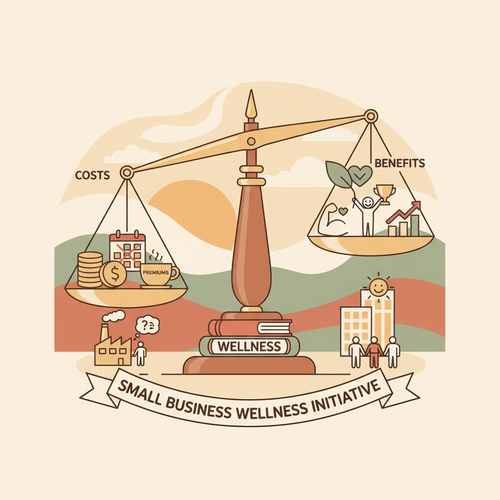
Budgeting for Employee Wellness Programs is a crucial consideration for Small and Medium-sized Enterprises (SMEs). Many business owners wonder about the true investment. Furthermore, they seek to understand the tangible returns. This guide explores both the costs and significant benefits. Consequently, SMEs can make informed decisions.
Why Employee Wellness Matters for SMEs
Employee wellness programs are not merely a corporate luxury. Indeed, they represent a strategic investment. These initiatives directly impact a company’s bottom line. Moreover, they foster a thriving workplace culture. SMEs, in particular, benefit immensely from a healthy workforce. Therefore, understanding this value is paramount.
Improved Productivity
Healthy employees are more productive. This statement is a fundamental truth in business. When staff members feel good physically and mentally, their focus improves. Consequently, their output increases. Wellness programs often reduce stress levels. They also encourage better physical health. This combination leads to fewer distractions and greater efficiency. Therefore, productivity gains become evident quickly.
Reduced Absenteeism
Illness-related absences cost businesses billions annually. However, wellness programs can significantly mitigate this. Employees who participate in health initiatives tend to be healthier. This means fewer sick days. It also leads to faster recovery times. Furthermore, a focus on preventative care reduces chronic conditions. Therefore, reduced absenteeism directly translates into cost savings for SMEs.
Enhanced Employee Retention
Attracting and retaining top talent is competitive. High employee turnover is expensive. It involves recruitment costs and training time. Furthermore, it impacts team morale. Wellness programs act as a powerful retention tool. Employees often value companies that invest in their well-being. This demonstrates a commitment beyond just salary. Consequently, staff members are more likely to stay. They feel valued and supported.
Positive Company Culture
A positive company culture is invaluable. It boosts morale and strengthens team bonds. Wellness programs contribute significantly to this. They can create a sense of community. Employees participate together in health challenges. They support each other’s goals. This shared experience builds camaraderie. Therefore, a vibrant and supportive workplace emerges. This culture, in turn, attracts future talent.
Understanding the Costs
Implementing an employee wellness program requires a budget. However, these costs are often manageable for SMEs. It is important to differentiate between various types of expenditures. Moreover, finding cost-effective solutions is key. Let’s explore the financial aspects in detail.
Direct Costs
Direct costs are easily quantifiable. These include fees for specific programs. For example, gym memberships or online fitness platforms. Equipment purchases also fall into this category. Perhaps a new yoga mat or resistance bands for office use. Furthermore, health screenings and vaccination clinics involve direct costs. Therefore, careful selection of services is essential. SMEs should seek programs offering good value.
Consultant fees for program design are another direct cost. Some companies hire experts to tailor initiatives. Moreover, materials for educational workshops add to the budget. Healthy snacks or subsidized healthy meals also contribute. However, these investments are often offset by future savings. Investopedia offers valuable insights into cost analysis.
Indirect Costs
Indirect costs are less obvious but equally important. These involve the time staff spend on program administration. For example, organizing events or managing registrations. Space requirements for activities also count. A dedicated quiet room for meditation, perhaps. Furthermore, lost productivity during wellness activities is an indirect cost. Employees might spend time away from their desks. However, this is often a worthwhile trade-off. Increased well-being boosts subsequent productivity. Therefore, planning and efficiency minimize these indirect impacts.
Low-Cost Options
SMEs often operate with tighter budgets. However, effective wellness programs do not need to be expensive. Many impactful initiatives can be implemented with minimal outlay. For instance, creating walking challenges. Employees track steps using free apps. Furthermore, promoting healthy eating with a fruit bowl is simple. Regular stretching breaks can be encouraged. Mindfulness exercises are another free option.
Employee Assistance Programs (EAPs) are often cost-effective. These provide confidential counseling services. Many insurance providers include EAPs in their packages. Therefore, checking existing benefits is a smart first step. Lunch-and-learn sessions on nutrition or stress management are inexpensive. These can be led by internal staff or local experts. Government resources also offer useful, often free, health guidelines.
Calculating ROI: The Benefits Side
Understanding the return on investment (ROI) is critical. It justifies the budget allocation for wellness programs. The benefits extend beyond employee happiness. They directly impact financial performance. Therefore, measuring these gains is paramount for SMEs.
Quantifiable Benefits
Quantifiable benefits are measurable in monetary terms. Healthcare cost savings are a prime example. Healthier employees generally incur lower medical expenses. This can reduce insurance premiums over time. Furthermore, reduced absenteeism directly saves money. Each sick day avoided means more work completed. Increased productivity is also quantifiable. A more focused team generates more output. This translates to higher revenue or greater efficiency. Therefore, tracking these metrics is essential.
Lower turnover rates also yield significant savings. The cost of replacing an employee can be substantial. It includes recruitment fees, onboarding, and training. Furthermore, the loss of institutional knowledge is a factor. Wellness programs mitigate these expenses. They foster loyalty and reduce churn. Reuters often reports on the economic impact of workforce health.
Qualitative Benefits
Qualitative benefits are harder to measure directly. However, their impact is profound. Enhanced employee morale is a key qualitative gain. Happy employees are more engaged. They are also more motivated. This positive sentiment spreads throughout the organization. Furthermore, improved company reputation is another benefit. Companies known for prioritizing well-being attract better talent. This also enhances their public image. Therefore, a strong employer brand emerges.
Stress reduction among staff is also a qualitative gain. Less stressed employees are more resilient. They handle challenges better. This contributes to a more harmonious workplace. Furthermore, better work-life balance improves overall satisfaction. These factors, while not purely financial, drive long-term success. They create a sustainable and attractive work environment. Consequently, the value is undeniable.
Case Studies/Examples
Consider a small tech firm with 50 employees. They implement a basic wellness program. This includes subsidized gym memberships and weekly mindfulness sessions. Initially, their absenteeism rate was 5% annually. After one year, it dropped to 3%. This reduction alone saved thousands in lost productivity. Furthermore, employee satisfaction scores increased by 15%. This led to lower turnover rates. Therefore, the modest investment yielded significant returns.
Another example involves a manufacturing SME. They introduced a healthy eating challenge and ergonomic workstation assessments. Over six months, reports of back pain decreased by 20%. This led to fewer workers’ compensation claims. Moreover, overall employee energy levels improved. The initial cost of assessments and healthy snacks was minimal. However, the long-term health benefits were substantial. Therefore, even small changes can make a big difference.
Strategies for Effective Budgeting
Effective budgeting ensures sustainability. It also maximizes the impact of wellness programs. SMEs need practical strategies. These help allocate resources wisely. Furthermore, they ensure the program aligns with business goals. Therefore, a thoughtful approach is essential.
Start Small
Do not feel pressured to implement an elaborate program immediately. Starting small is often the most effective approach. Begin with a single, manageable initiative. For example, a healthy snack program. Or perhaps a monthly wellness workshop. This allows you to test the waters. It also helps gauge employee interest. Furthermore, it prevents overspending. Once a small program proves successful, you can expand. Therefore, incremental growth is key.
Phased Implementation
A phased approach helps manage costs. It also allows for continuous improvement. Rather than launching everything at once, introduce components gradually. For instance, start with physical health initiatives. Then, add mental health support in the next phase. This spreads out the financial burden. It also gives employees time to adapt. Furthermore, it allows for feedback. Therefore, programs can be refined over time.
Leverage Partnerships
SMEs can significantly reduce costs through partnerships. Collaborate with local gyms or health centers. They may offer corporate discounts. Furthermore, engage with health insurance providers. Many offer free wellness resources. Community organizations also provide valuable support. They might offer free workshops or health screenings. Therefore, explore all available external resources. This can stretch your budget further.
Consider local universities or colleges. Health and nutrition departments might seek internship opportunities. Their students could assist with program development. This provides valuable experience for them. It also offers low-cost expertise for your SME. Therefore, thinking creatively about partnerships is beneficial.
Measure and Adapt
Measuring the program’s effectiveness is crucial. Track key metrics consistently. For example, absenteeism rates and employee engagement. Monitor healthcare costs over time. Furthermore, gather employee feedback regularly. This data helps assess ROI. It also highlights areas for improvement. Based on these insights, adapt your program. Therefore, flexibility is vital for long-term success. Continuous evaluation ensures resources are well-spent.
Common Pitfalls to Avoid
While employee wellness programs offer immense benefits, certain pitfalls can hinder success. SMEs should be aware of these challenges. Avoiding them ensures a more effective and sustainable program. Therefore, careful planning is essential.
- Lack of Employee Input: Do not design programs in a vacuum. Employees are more likely to engage if their needs are considered. Therefore, conduct surveys or focus groups.
- One-Size-Fits-All Approach: A diverse workforce has diverse needs. A program focused solely on physical fitness might alienate some. Therefore, offer a variety of options.
- Poor Communication: Employees need to know about the programs. They also need to understand the benefits. Therefore, clear and consistent communication is vital.
- Lack of Leadership Buy-In: Management support is crucial. When leaders participate, it sets a positive example. Therefore, ensure full organizational commitment.
- Inconsistent Promotion: A program needs ongoing visibility. Regular reminders and new challenges keep interest high. Therefore, avoid a launch-and-forget mentality.
- Ignoring Mental Health: Physical health is important, but mental well-being is equally critical. Programs must address both aspects. Therefore, a holistic approach is best.
- Unrealistic Expectations: ROI takes time to materialize. Do not expect immediate, dramatic results. Therefore, maintain a long-term perspective.
Conclusion
Budgeting for employee wellness programs is a strategic investment for SMEs. The initial costs are often outweighed by significant benefits. These include enhanced productivity and reduced absenteeism. Furthermore, improved retention and a positive company culture emerge. By understanding both the financial outlay and the substantial returns, SMEs can build healthier, more engaged workforces. Starting small, leveraging partnerships, and consistently measuring impact are key to success. Therefore, investing in employee well-being is an investment in the future of your business.